Early Whitetail Deer Bow Hunting Camp & Best Gear Guide
Dial in your early whitetail deer bow hunting camp with the right gear, camp setup, and pro tips. See our complete checklist and shop Sportsman's Guide today!
August 27, 2026



BIG SAVINGS
+EVERYTHING SHIPS FREE
Learn More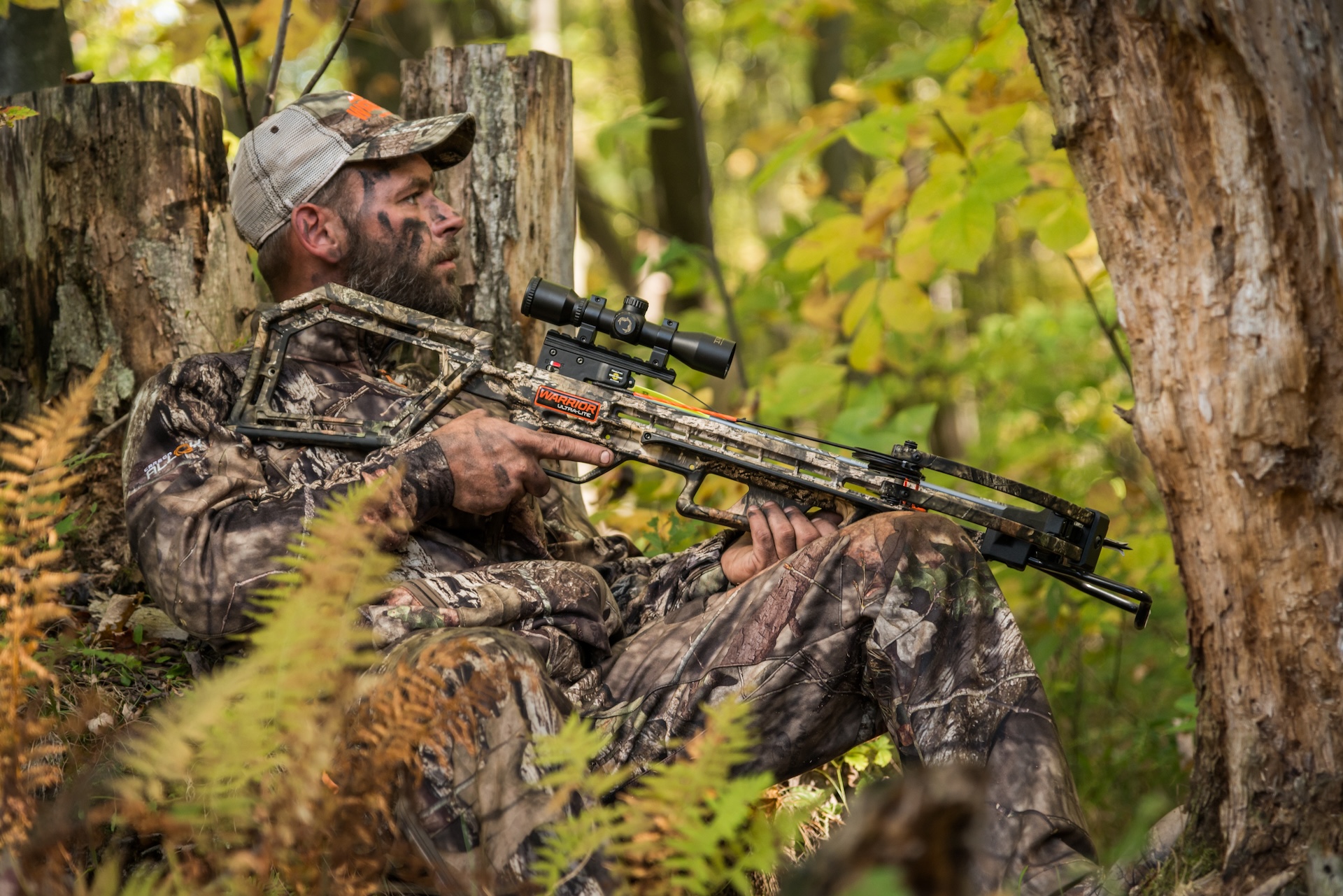
Early Whitetail Season Bow Hunting Camp & Gear Guide
Early season whitetail deer hunting is one of the best opportunities of the year for bow hunters. The reason? Bucks are still in velvet or just coming out of it, patterns are tight, and a buck you've been watching all summer can be in your truck before the first hard frost.
But early season whitetails are also unforgiving. One busted sit, one morning you're a little too loud at camp, and that deer shifts his pattern overnight. Your camp and your gear aren't just logistics. They're part of your hunting strategy.
This guide is for bow hunters who want to put a dialed-in camp together and not leave anything on the table. Whether you're hunting public land two counties over, running a lease in Kentucky velvet country, or doing a serious out-of-state whitetail deer hunting trip, the core gear list stays the same. We'll cover what to bring, how to set up a low-impact camp, what to eat, how to stay safe, and how to give yourself the best chance at a mature buck on those first precious sits.
You can find most of what you need for this setup at Sportsman's Guide, and we'll link directly to relevant products and categories throughout. For a broader seasonal perspective, check out the Best Whitetail Deer Hunting Gear for Every Season article for year-round context.
Everything in this guide is written for the bow hunter. Shot distances are shorter, access needs to be quieter, and your stand setup matters more than almost anything else. Good camp discipline and a tight gear list translate directly into more and better sits.
Let us help you build yours.
Understanding Early Season Whitetail Bow Hunts and Camp Logistics
When early bow season opens and what conditions you'll face depends heavily on where you're hunting.
Some states open in early September with bucks still in hard velvet, offering a narrow window where deer are visible and patternable in daylight. Kentucky is one example, with its early archery and velvet seasons drawing out-of-state hunters specifically for that experience. Most Midwestern and Southern states open late September or early October, right at the transition period when velvet sheds and bucks start covering ground.
In early season, bucks are focused on food. They're on a consistent pattern between bedding and feeding areas, often predictable to within the same 30-minute window each evening. That predictability is the opportunity. The catch is that early season deer haven't been pressured yet, so they're also highly sensitive to anything that breaks their routine. A camp that smells like bacon grease at 5 a.m. or a tent that pops and rattles in the wind can push deer out of range before you ever climb your stand.
Trip format shapes everything about what gear you bring. A one-night run to a local public land spot requires a minimal kit. A five-day lease hunt with three guys needs a real camp: kitchen, shelter, a system for clothes storage, and a plan for keeping scent out of hunting areas. Out-of-state whitetail deer hunting trips with an outfitter often include lodging, but DIY trips to Kansas, Iowa, or Illinois require you to plan the whole thing from scratch.
The terrain and access matter too. If you're driving to within 200 yards of your stand, weight barely matters. If you're packing into a river bottom on foot, every pound counts. The sections that follow give you a full early season bow hunting camping gear list you can scale up or down depending on how far you're going and how long you're staying.
Core Archery Gear List for Early Season Whitetails
Your bow setup is the center of everything, and for most hunters shopping at Sportsman's Guide, that means a crossbow. The selection here runs deep on ready-to-hunt crossbow packages from TenPoint, Wicked Ridge, Killer Instinct, CenterPoint, Ravin, and Barnett, which makes a crossbow the more practical starting point than a compound bow for most early season whitetail hunters shopping this catalog. Whichever weapon you already hunt with, the same core principle applies: it needs to be dialed in and quiet before you ever step into a stand.
A crossbow package typically arrives with a scope, quiver, and cocking device already matched to the bow, so there's far less separate sourcing and tuning than building a compound bow setup piece by piece. For a first crossbow or an upgrade, a few packages worth knowing:
Browse the full crossbow selection at Sportsman's Guide to compare current in-stock options across draw weight, speed, and price point.
Bolt selection should match your crossbow manufacturer's recommended weight and length, not a generic vertical-bow arrow chart. Most hunting crossbows run a 150 to 175-lb. draw weight, well above what a compound bow uses, which is exactly why a bolt built for a lighter draw won't hold up the same way. Match your broadheads to your bolt setup and practice with them before season, the same rule that applies to any archery weapon.
Browse crossbow bolts and accessories and broadheads at Sportsman's Guide to fill out your setup.
Beyond the bow itself, your early season bow hunting gear list should include:
Browse the full bow hunting gear selection at Sportsman's Guide for current in-stock options across all archery categories.
Crossbow Setup, Safety, and Practice for Early Season
A crossbow rewards the hunter who treats setup and practice as seriously as a rifle shooter would. Since it's already cocked and doesn't require holding at full draw while a buck closes the distance, a crossbow trades one kind of difficulty (draw-cycle noise and fatigue) for a different set of things to get right well before opening morning.
Cocking devices come in a few styles, and the right one depends on the hunter, not just the bow. A rope cocker is the lightest and cheapest option and works fine for most hunters. A crank or sled-style device, like the one included with the Wicked Ridge Invader M1 390 package above, takes the physical effort out of cocking a heavier draw weight, which matters most for smaller-framed hunters or anyone hunting from an awkward stand position. Whatever device you use, practice with it enough that cocking becomes second nature and doesn't turn into noisy fumbling in the dark.
Scope zeroing deserves real range time, not a five-minute check the week before season. Most factory scopes are calibrated to a specific bolt weight and speed, so shooting a different bolt than the one the scope was matched to can throw your point of impact off at longer distances. Confirm zero at your likely shot distances, not just at 20 yards, since a hunting crossbow's trajectory can drop meaningfully past 30 or 40 yards depending on the model.
Safety habits matter more with a crossbow than most new shooters expect, precisely because it's easier to use than a compound bow and easier to get complacent with. Keep fingers and the foot stirrup clear of the string track every time you cock or shoot. Never dry-fire a crossbow, since the stored energy has nowhere to go but into the limbs and can seriously damage the bow. Use a decocking bolt or a mechanical decocking feature, where the model has one, rather than firing into the ground to unload at the end of a sit.
A few states restrict crossbow use during archery-only season windows or set a minimum draw weight for big game, so confirm your state's specific regulations before you build a season around one. Once you're cleared to hunt, basic maintenance keeps a crossbow performing consistently: wax the string on the schedule the manufacturer recommends, apply rail lube before it starts squeaking rather than after, and inspect the limbs and cams for wear each time you pull it out of the case for the season.
Shelter and Sleep: Building Your Whitetail Bow Hunting Camping Gear List
A good whitetail bow hunting camping gear list starts with shelter and sleep because those two things determine whether you can hunt hard day after day. A rested hunter makes better decisions in the stand. A hunter who's cold, cramped, or kept awake by a flapping rain fly is dragging by day two.
For a lightweight quiet hunting tent, the features that matter most are low-profile silhouette, muted colors, quiet zippers, and a design that doesn't require 20 minutes of crinkly noise to pack or unpack before first light. Brands like Stone Glacier, Argali, and Big Agnes build tents specifically designed for backcountry hunting with these priorities in mind. For car camping or truck-based deer camps, you have more flexibility on weight, but the low-noise and low-profile principles still apply. Browse current hunting tents at Sportsman's Guide to compare options for your trip style.
Tent sizing for archery hunters follows a simple rule: go one size up from what you'd normally choose. A solo hunter needs a two-person tent to fit a bow case, a daypack, and a set of hanging clothes without turning the interior into an obstacle course. Two hunters need a three-person tent. Add vestibule space to the equation if you're hunting in bug season, because keeping your boots and pack outside the sleeping area makes the whole operation cleaner and quieter.
Sleeping bag selection for early season deer camp depends on where and when you're hunting. Early September hunts in the South may only need a 40-50 degree bag. Late October hunts in the Midwest or Northern states can see overnight lows in the 20s. For shoulder season flexibility, a 0-degree bag gives you the range to sleep comfortably whether it's 55 degrees or 22. Sportsman's Guide carries theBig Agnes Torchlight EXP 0-degree Sleeping Bag (4.8 stars), a high-quality mummy bag for serious cold-weather comfort. Browse the full sleeping bag selection to match a bag to your expected temperature range.
A few practical tips for camp sleep and shelter:
Camp Kitchen and Water: Backcountry Bow Hunting Cooking Gear and Hydration
Backcountry bow hunting cooking gear needs to do three things: cook fast, pack small, and not create odors that drift toward your stands.
A full campfire kitchen with a Dutch oven is fine for a truck-based camp far from your hunting areas. For any camp within half a mile of stands, keep it simple and low-odor.
A compact canister stove is the standard choice for most deer camp cooking. Brands like MSR, Jetboil, and Primus are all carried at Sportsman's Guide and offer fast boil times in a small package. For a setup that doubles as backup power, the BioLite CampStove 2+ burns wood and generates electricity simultaneously. It's a little heavier than a canister stove, but eliminates fuel canisters entirely and charges phones and lights from the fire. Browse all camp stoves to find the right setup for your trip length and style.
For a solo early season camp, your kitchen setup can be minimal: one small pot, a titanium spork, a lighter, and your stove. For groups, add a second pot, a small cutting board, and a few biodegradable camp soap packets. Keep cooking simple: dehydrated meals, instant oatmeal, nuts and bars for midday, and a hot dinner that doesn't require much prep or cleanup.
Low-odor cooking is worth thinking about. Avoid strong-smelling foods like fish, canned meat, or anything with a lot of garlic within a day of hunting. Boiling water for freeze-dried meals is essentially odorless. Simple cooking discipline around your stands is as effective as any scent-control product.
Water purification for hunting trips is often overlooked until you're thirsty. If you're camping near a creek, stream, or lake, a squeeze filter like a Sawyer or a gravity system like the Platypus GravityWorks covers your water needs without boiling or carrying heavy loads. Browse water filters at Sportsman's Guide. If you're at a truck camp with water access, a 5-gallon collapsible container for base camp use saves repeated trips.
Browse camping cookware at Sportsman's Guide to fill out your kitchen kit.
Portable Blinds, Camp Layout, and Low-Impact Access
Early season whitetail hunting is almost always a stand game. Tree stands give you the height advantage, scent dispersal, and shot angle that ground setups rarely match in timber country. But portable hunting blinds do have a place, especially for food plot edges, field corners, or when you're hunting with a younger hunter who needs to move or fidget without alerting deer.
When a ground blind makes sense, the keys are brushing it in early (at least a week before you hunt it), keeping your silhouette dark inside, and positioning it downwind with a clear shooting lane.
For tree stand hunters, Sportsman's Guide carries a wide selection of hang-on stands, climbing stands, and ladder stands. The Guide Gear Hang-On Tree Stand is a proven, practical setup that weighs 18 lbs. and folds for easy carry into the woods. It won the NRA Golden Bullseye recognition and is backed by a 4.5 rating with more than 156 five-star reviews. Browse the full tree stand selection, including saddle hunting options for hunters who want a more mobile approach.
Word of advice: never hunt from an elevated position without a full-body safety harness connected to a lifeline. Falls from tree stands are one of the most preventable hunting accidents. The Hunter Safety System, Muddy, and Hawk brands all make quality harnesses in stock at Sportsman's Guide.
Browse tree stand safety harnesses at Sportsman's Guide.
Camp placement is its own strategy. Put your camp as far from your core hunting areas as the terrain allows. Ideally, your camp is 300 to 600 yards from your closest stand and set up so that your morning walk-in routes run parallel to the prevailing wind, not into your hunting area. Put the kitchen on the downwind side of camp from the direction deer travel. Keep combustion smells, cooking smells, and human smells away from your entry and exit trails as much as possible.
Simple camp layout beats complex camp layout every time. Keep your sleeping area, clothes storage, and gear separate from the kitchen. Hang your hunting clothes away from the cooking area at night. Designate one zone for boots and outerwear and keep it scent-free. A 15-minute camp layout conversation on day one saves a week of headaches.
Early Season Hunting Clothing and Layering for Bowhunters
Early season bow hunting clothing presents a different problem than cold-weather hunting. In September and early October, you're often sweating on the walk in and sitting still in 70-degree temperatures. The wrong clothing makes you wet, uncomfortable, and smelly. The right setup keeps you dry, relatively scent-free, and ready to make a shot when a buck steps into range.
Build your early season kit around a lightweight moisture-wicking base layer worn against your skin. This is the most important piece in warm weather. A cotton base layer soaked in sweat after a 10-minute walk creates a scent problem that no amount of spraying fixes. Merino wool or synthetic moisture-wicking fabrics keep you drier and smell better longer.
Browse hunting base layers at Sportsman's Guide for current lightweight options.
Your outer layer still benefits from being quiet, even with a crossbow's shorter, faster shot process removing the extended draw-cycle noise a compound bow shooter has to worry about. Look for soft-face fabrics and a comfortable cut that doesn't restrict shoulder movement when you shoulder the bow to shoot. Fleece-faced fabrics, brushed polyester, and wool-blend outer layers are all good choices.
Here's a simple early season layering guide by temperature range:

Browse hunting clothing and camo jackets at Sportsman's Guide for current in-stock options across all early season temperature ranges.
Insect protection is worth building into your clothing system for September hunts. Ticks, mosquitoes, and no-see-ums can end a sit in a hurry. Permethrin-treated clothing holds up through multiple washes and provides solid tick protection. Pair with a lightweight, fine-mesh face mask for buggy evenings at a food plot edge.
Bow Hunting Survival Kit List and Safety Essentials
A bow hunting survival kit list for whitetail deer doesn't need to be a 30-item backpacking setup. It needs to cover the realistic emergencies a deer hunter actually faces: a fall from a stand, getting turned around in the dark, a medical issue in a remote camp, or a weather change that keeps you out overnight longer than planned.
Keep your survival kit in your daypack so it leaves camp with you every time you go to the stand. Don't leave it in the truck. These are the core items:
Browse survival kits and first aid kits at Sportsman's Guide to find ready-made kits or build your own.
From Camp to Stand: Early Season Bow Hunting Tips That Close the Deal
Good camp discipline is the part most hunters skip. They focus on stand placement and ignore the 45 minutes before shooting light that can make or break a hunt. Here's what separates hunters who fill tags in early season from hunters who bust deer and wonder what went wrong.
Get your clothes ready the night before. Lay out everything you're wearing in order. Scent-free wipes or a no-rinse shower at camp, then into your hunting clothes before you leave the tent. Don't walk through camp in your hunting clothes. Don't put your bow case near the cooking area. Small habits compounded across a week-long hunt add up to cleaner, less pressured deer.
Slow down on your walk in. Early season mornings are warm and humid. A hard walk raises your body temperature and scent output. Build extra time into your approach so you can move at two-thirds speed, stop often, and arrive at the stand without sweating through your base layer. Wind direction gets you most of the way there. How you smell when you arrive takes care of the rest.
Shot discipline in early season is different from rut hunting. Deer aren't as focused or distracted, which means they're more likely to react to movement or noise as you shoulder your crossbow and settle the crosshairs. Know your shot distance before the deer enters your shooting lane. Range your landmarks. Have a clear mental picture of where you'll stop the deer and where your reticle should be when you break the shot.
Weather fronts and thermals matter for stand selection. Early season mornings have thermals rising as the sun heats the air, which carries your scent upward into the canopy. Evenings have thermals falling back down the hillsides toward creek bottoms. Hunt accordingly: morning stands on elevated terrain above bedding, evening stands near food sources with a favorable wind that keeps your scent away from deer travel routes.
Preparation is what makes early season hunting work. Confirm your crossbow's zero before the season, check your gear against this guide, and browse early season hunting gear at Sportsman's Guide to fill any gaps before you head to camp.
Sample 2 to 3 Day Whitetail Bow Hunting Camp Plan
This is a template for a long-weekend deer camp, not a rigid itinerary. Adjust based on your drive, your access, and whether you're hunting private land with familiar spots or new public ground that needs some scouting time.
Day 1 is travel and setup. Drive in, make camp, stake the tent, get the kitchen organized. If you need to walk your entry routes or pull trail camera cards, do it in the middle of the day, well clear of the evening movement window, not in the last two hours of daylight when deer are most likely up and feeding. That window is exactly the time to stay out of the woods entirely, since walking it fresh on day one can push deer off the pattern before you've hunted a single sit. Don't push into your best stands. Do your perimeter work early, then leave the area alone. Have a simple, low-odor meal at camp, get your clothes ready for the morning, and be in your bag by 9 p.m.
Day 2 is your best hunting day. You're fresh, deer haven't seen pressure from you, and your scent is lowest after a day of letting camp settle. Hunt your best stand in the afternoon based on wind direction. Morning is optional depending on your access, but if you can get in clean on a morning thermals stand, take it. Midday is camp chores: water run, small fire for lunch, boots airing out, gear check. Hunt again in the evening if the wind cooperates.
Day 3 is your second full day. Evaluate wind and pressure. If Day 2 produced movement and a clean hunt, return to the best stand. If deer seem aware of your presence, hunt a secondary stand and give the primary a rest. Tear down camp in stages starting the night before so you're not rushing on the morning of your drive home. One last morning hunt, then break down the rest of camp and load out.
A few camp ideas for morale that don't cost much hunting pressure: a small campfire after last light with a simple meal, a card game before sleep, and a post-hunt debrief over coffee in the morning where you share what you saw and adjust your plan for the day. A good deer camp is a simple deer camp.
FAQs: Early Season Whitetail Bow Hunting Camp and Gear
These questions come up most often from hunters planning their first or second early season bow camp. Each answer is built around practical field experience and designed to give you something actionable.
What Gear Do I Need for Bow Hunting Whitetail Deer in Early Season?
Start with your bow setup. For most hunters shopping this catalog, that's a ready-to-hunt crossbow package: a crossbow, matched bolts, broadheads, a scope, and a cocking device, most of which already comes bundled together. Browse bow hunting gear at Sportsman's Guide.
For clothing, build a simple layering system around a moisture-wicking base layer and a quiet, soft-face outer layer. Add insect protection for September hunts and a light rain layer that packs down small. Boots should be comfortable for your terrain with enough ankle support for tree stand climbing.
Camp basics are a lightweight quiet hunting tent sized one person larger than your actual party, a sleeping bag rated for your expected low temperature, a compact stove and simple cookware, and water purification. That covers shelter, sleep, and food. Browse camping gear at Sportsman's Guide to fill out your kit.
How Do I Keep My Scent Under Control at an Early Season Bow Hunting Camp?
Habits matter more than products. Keep your hunting clothes in a sealed scent-free bag or tote and only put them on after you've left the cooking area. Use unscented soap, shampoo, and deodorant for the duration of the trip. Scent-free body wipes at camp are practical when shower options are limited.
Scent control products, including sprays, ozone bags, and scent-eliminating detergents, add a layer of protection on top of good habits. Browse scent control gear at Sportsman's Guide.
Wind and access discipline do more than any spray bottle. Choose your stand access routes so you approach with a favorable wind or a crosswind. Avoid walking through your feeding areas on the way to your stand. Keep camp far enough from your best spots that cooking smells and human activity don't drift into deer bedding or travel areas. Most serious whitetail outfitters and backcountry hunters will tell you that stand placement and wind management are 90% of scent control.
What Size Tent Is Best for a Whitetail Bow Hunting Camping Trip?
Size up by one person from your actual count. A solo hunter does better in a two-person tent once you account for a bow case, a set of hunting clothes hanging to air out, and a pack. Two hunters work well in a three-person tent with vestibule space for wet gear and boots.
For truck-based camps, weight is less of a concern, so you can choose a four-season or freestanding tent with more interior headroom and better weather protection. For hike-in camps or any situation where you're carrying your shelter on your back, keep packed weight under 4 lbs. for a solo setup.
Check user reviews carefully when choosing a hunting tent, specifically for zipper noise and fabric crinkle in cold temperatures. Both of those things will get you out of bed at 4 a.m. without meaning to. Browse our wide selection of tents at Sportsman's Guide.
How Cold Can It Get Before I Need a Winter-Rated Sleeping Bag for Deer Camp?
Most sleeping bag temperature ratings use a comfort rating for average sleepers and a lower limit for cold sleepers. If you run cold at night or your camp gets into the low 30s, choose a bag rated 10-15 degrees below your expected overnight low to stay comfortable without waking up cold.
For September early season hunts in the South, a 40-degree bag is often enough. For late October Midwest hunts or any Northern plains whitetail trip where overnight lows can drop into the 20s, a 0-degree bag gives you flexibility across the full range of conditions you might encounter. Down fill compresses smaller and insulates better by weight than synthetic, but loses insulating value when wet. For humid early season conditions, a synthetic fill or water-resistant down shell is worth the slight weight penalty.
Browse sleeping bags at Sportsman's Guide to compare fill types, temperature ratings, and packed sizes.
What Should Be in a Bow Hunting Survival Kit for Whitetail Deer?
A bow hunting survival kit list for whitetail deer should cover the realistic scenarios: a fall from a tree stand, getting turned around after dark, a weather change that extends your time in the field, or a medical situation at camp. Keep it compact enough to ride in your daypack without taking up space you need for hunting gear.
The top 10 items for a whitetail-focused bow hunting survival kit: fire (two lighters plus a ferro rod), emergency shelter (mylar bivy or space blanket), a headlamp with backup batteries, a whistle, a basic first aid kit with tourniquet and hemostatic gauze, paracord, a compact compass, a downloaded offline hunting app, a spare cocking rope, and an Allen wrench set.
Browse survival kits and first aid kits at Sportsman's Guide to find ready-made options or build your own. Keep everything waterproofed in a small dry bag inside your pack.
Build Your Kit and Get After It
Early season whitetail bow hunting is some of the best hunting the year has to offer. Bucks are patternable, the woods are alive, and the margin between a filled tag and a close call often comes down to preparation. A dialed-in camp lets you hunt hard for days, not just one good afternoon. Get your bow hunting gear sorted, build your camp kit, and make sure your survival and safety gear leaves with you every day.
Sportsman's Guide has what you need across archery, camp, clothing, and safety categories. Browse the crossbow department, camping essentials, and men's hunting clothing to get your early season setup ready before opener.