Waterfowl Calling Techniques That Work: Mastering the Art of Duck and Goose Calls
Dive into the most effective waterfowl calling techniques that every hunter should know.
October 08, 2024



BIG SAVINGS
+EVERYTHING SHIPS FREE
Learn More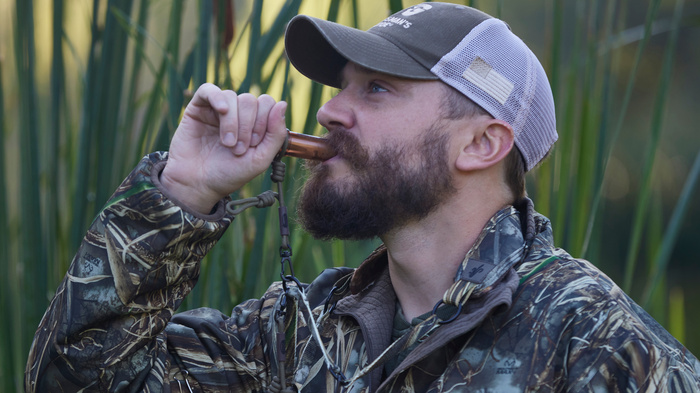
Waterfowl hunting is more than just showing up at the marsh with decoys and camouflageit's about communicating with ducks and geese to draw them within range. This is where waterfowl calling comes into play. If you're new to hunting or looking to sharpen your skills, understanding different waterfowl calling techniques can drastically improve your success in the field. Let's dive into the most effective waterfowl calling techniques that every hunter should know.
Before we dive into specific techniques, it's crucial to understand the different types of calls. Most duck hunters rely on mallard calls since mallards are commonly hunted and other species often respond to these sounds as well. Geese, on the other hand, require a separate set of calls, typically Canada goose or snow goose calls.
Here are some basic waterfowl calls to familiarize yourself with:
For beginners, one of the easiest and most effective waterfowl calling techniques is the single quack duck call. Over-calling or trying to use advanced sequences too soon can actually spook birds rather than attract them. Instead, focus on mastering a single quackshort, soft, and natural.
This simple technique is often enough to draw ducks in, especially on public land where birds are used to hearing overly complicated calls.
The feeding chuckle is one of the most common duck calls, used to simulate a group of ducks contentedly feeding in the water. This call works because it communicates safety and invites competition from other birds.
This technique can also work for geese when adapted to the deeper tones and cadence they use when feeding.
Ducks don't always commit to your decoys on the first pass. They may circle or head in a different direction entirely. This is where the comeback call comes into play. It's designed to sound more urgent and draw the birds back after they've veered away.
This call is most effective when ducks are starting to lose interest but haven't flown out of range yet.
One of the biggest mistakes many hunters make is overcalling. Ducks and geese are intelligent creatures. If they hear the same repetitive, unnatural call sequences too often, they'll recognize it as danger.
Instead of calling continuously, wait for the right moment:
Let your decoys do part of the work, and only use calls to finish the birds off or when they seem unsure.
When it comes to geese, calling is often a game of patience and subtlety. The goose honk, combined with clucks, murmurs, and moans, forms the basis of effective goose calling.
Practice is key with goose calls since their deeper tones and varying pitches can be harder to perfect than duck calls.
The secret to successful waterfowl calling lies in realism. Birds won't respond well to calls that are too loud, too frequent, or improperly timed. Practice regularly with your calls to master the correct tones, pitches, and cadences.
Waterfowl calling is a skill that takes time and patience to develop. Start with the basicsmaster single quacks, feeding chuckles, and goose honksbefore moving on to more advanced techniques. Always remember that the best calls sound natural and should be used strategically based on bird behavior.
By practicing these waterfowl calling techniques and fine-tuning your approach with every hunt, you'll not only become a better caller but will also increase your odds of filling your limit.