The Role of Tree Stands in Successful Deer Hunting: Boosting Visibility and Accuracy
Tree stands are pivotal in successful deer hunting, offering clear advantages in visibility, scent control, and shooting angle.
May 29, 2026



BIG SAVINGS
+EVERYTHING SHIPS FREE
Learn More.jpg "The Role of Tree Stands in Successful Deer Hunting: Boosting Visibility and Accuracy")
Tree stands have become essential tools for deer hunters, offering a unique blend of advantages that enhance visibility, accuracy, and concealment. From increasing sightlines over wooded areas to keeping your scent off the ground, tree stands can be a game-changer for hunters aiming to maximize their chances of success. Let's take a closer look at the vital role of tree stands in deer hunting and how to use them effectively to improve your hunting experience.
The primary purpose of a tree stand is to elevate the hunter above ground level, providing a better vantage point and reducing the likelihood of being detected by deer. Deer have keen senses, especially when it comes to detecting ground-level movement and scent. By positioning yourself up high, you gain a number of advantages:
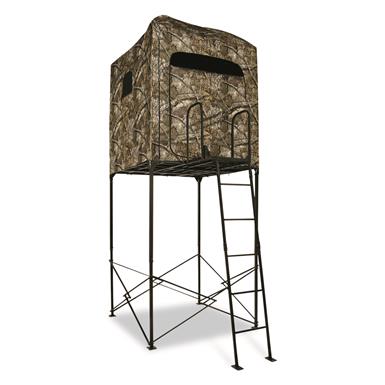
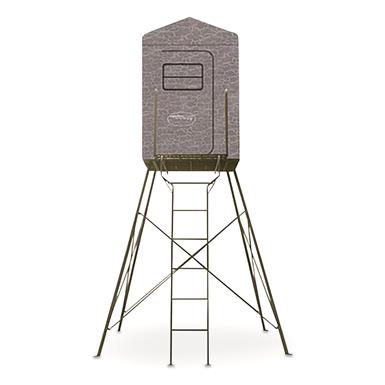
There are three main types of tree stands, each with its own unique features and benefits. Choosing the right one depends on your hunting style, location, and how often you'll be moving.
Climbing tree stands are portable and designed for hunters who prefer to change locations frequently. These stands attach to the tree and allow you to climb upward by shifting the stand as you ascend. They're ideal for hunters who like to scout new areas or are hunting in public lands where permanent stands aren't allowed.
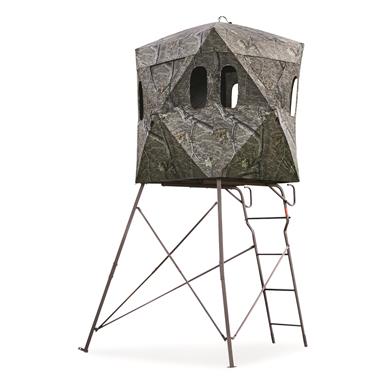
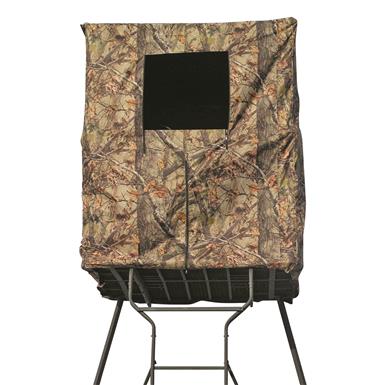
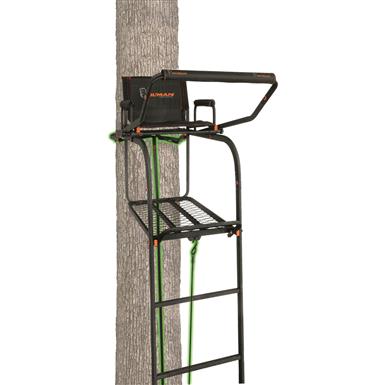
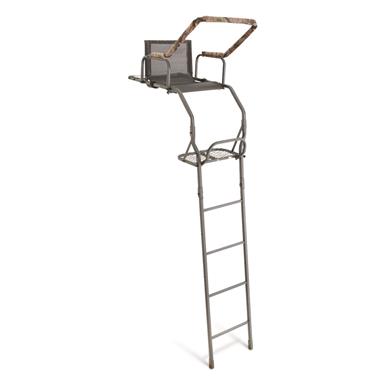
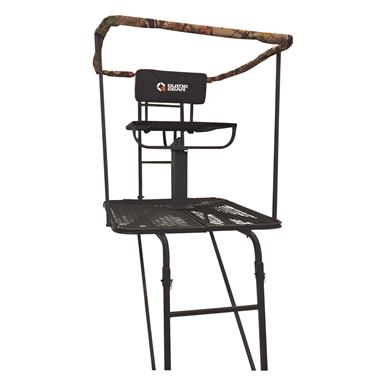
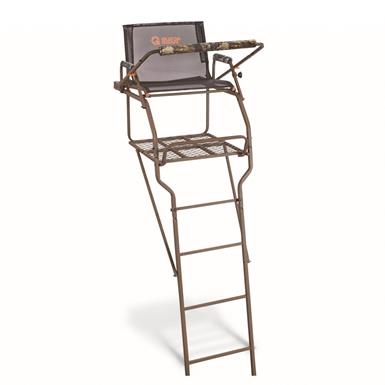
Ladder tree stands offer a stable and sturdy platform, with a ladder attached directly to the stand. They're generally larger, providing more room and comfort for longer hunts. Ladder stands are well-suited to private land where they can be set up permanently.
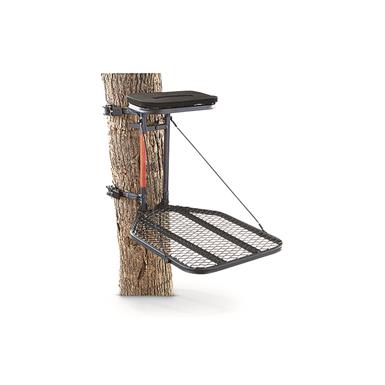
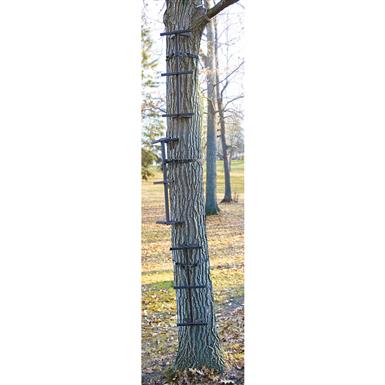
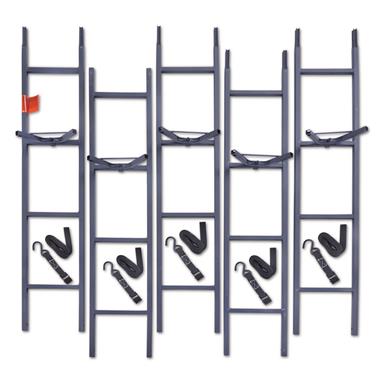
Hang-on stands attach directly to the tree using straps or chains. Often paired with climbing sticks for access, they're versatile, lightweight, and can be set up in trees with branches. Hang-on stands are ideal for hunters who need portability but also want to set up in dense woods.
Tree stands aren't just a convenient tool they offer specific benefits that make hunting more successful and enjoyable.
From an elevated position, you have a clearer view of the surroundings, making it easier to spot approaching deer. You're also able to identify patterns of movement and anticipate when and where deer might pass.
A higher vantage point allows for better shot angles, especially for bow hunters. Shooting from above minimizes the risk of alerting the deer as you draw back the bow or aim. Additionally, shooting downward reduces the chance of the animal detecting movement, improving the odds of an ethical, one-shot kill.
Deer rely heavily on their sense of smell, and hunters on the ground are more likely to be detected. Scent rises above the ground when you're elevated, helping to mask your presence and reduce the risk of deer picking up on human odors.
Using a tree stand, especially one designed for stability, can improve comfort during long hunts. Models with seating and armrests allow hunters to sit quietly and still for extended periods. However, it's essential to always use a harness and follow safety protocols to avoid accidents.
Setting up a tree stand properly is crucial for both safety and effectiveness. Here are some tips to help you get the most out of your setup:
Before you choose a tree for your tree stand, scout the area to identify deer trails, food sources, and bedding areas. Understanding the deer's behavior will help you position your stand in the most effective location.
Pick a tree that provides natural cover without obstructing your view. Look for trees with a good diameter that can support the stand securely. Also, consider wind direction and how it might affect scent dispersal.
A harness is essential for safety while using a tree stand. Attach yourself to the tree before you leave the ground, and always use a full-body harness to prevent falls. Accidents can happen, especially when ascending or descending.
Deer have exceptional senses, so it's essential to stay as quiet and still as possible. Avoid excessive movements, keep your phone on silent, and avoid shifting positions unnecessarily. Slow, deliberate movements can make a big difference in staying undetected.
When hunting on public land, be aware of local regulations regarding tree stands. In some areas, permanent stands are not allowed, and you may be required to remove portable stands after each hunt. It's also respectful to avoid placing a stand too close to another hunter's location. Good hunting etiquette maintains a positive environment for everyone in the field.
If a tree stand isn't an option, ground blinds can be an effective alternative. They provide cover at ground level and are especially useful in areas with limited trees. However, ground blinds don't offer the elevation and scent control benefits of tree stands, making them less effective in heavily wooded areas where deer may detect your scent or movements more easily.
Tree stands play a pivotal role in successful deer hunting, offering clear advantages in visibility, scent control, and shooting angle. By choosing the right type of tree stand and setting it up in an ideal location, hunters can significantly improve their chances of spotting and harvesting deer. Remember to prioritize safety by using a harness, practice proper setup techniques, and follow local regulations to get the most out of your tree stand hunting experience. Whether you're a seasoned hunter or just starting out, a well-placed tree stand can be a game-changer in the pursuit of a successful hunt.