Spring Turkey Hunting Basics for Beginners: How to Get Started and Have a Successful Season
Learn the fundamentals of spring turkey hunting, from different hunting approaches to turkey hunting gear you need for your setup.
February 26, 2026



BIG SAVINGS
+EVERYTHING SHIPS FREE
Learn More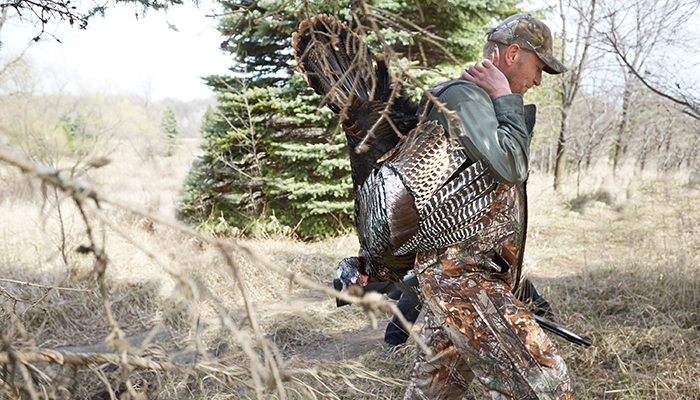
Many hunters enjoy spring turkey hunting because it's built around strategy and intentional decision-making versus having to sit and wait to get lucky. Instead of passively sitting around and hoping an animal walks into the crosshairs, spring turkey hunters set up, call, adjust and react in real timeoften with gobblers responding just yards away.
If you're new to turkey hunting, this guide will cover everything you need to know to get started, from understanding the spring turkey hunting season to choosing the right turkey hunting gear and apparel.
The spring turkey hunting season takes place during the wild turkey breeding period, typically mid-April through late May. This is when gobblers are most vocal and actively searching for hens. That desire and behavior is what makes spring a popular (and effective!) time for beginners to learn the fundamentals of turkey hunting.
Unlike fall turkey hunting, when birds often move in groups, spring hunting typically focuses on targeting gobblers individually. Hunters use calls and decoys to trigger a response and coax birds into close range.
Spring turkey hunting seasons vary by state and can differ in:
Before heading into the field, always check your local regulations to ensure compliance with turkey hunting season rules in your state.
Spring turkey hunting rewards patience, positioning, and preparation rather than raw experience. Because gobblers are vocal during the breeding season, beginners can learn to:
Many hunters consider spring turkey season one of the most immersive introductions to hunting because success depends on understanding the animal, not just spotting it.
Understanding hunting style helps beginners choose the right turkey hunting gear and avoid common frustrations.
Sit-and-wait hunting involves setting up near roost sites, travel corridors, or feeding areas and allowing turkeys to come to you.
This approach works well for beginners because it limits movement and reduces the risk of being seen.
Sit-and-wait hunting prioritizes:
This style is especially effective when turkeys are already using predictable patterns.
Run-and-gun turkey hunting is an on-the-go approach where hunters move frequently, call often and locate gobblers by covering ground.
This method is fast-paced and works well when birds aren't committing to setups or when hunting unfamiliar areas.
Run-and-gun hunting prioritizes:
While more demanding, it can be very effective during the spring turkey hunting season when gobblers are vocal but cautious.
Many hunters use a hybrid approach; they move when the situation calls for it, but then they sit tight once a bird responds. This flexible style adapts to changing turkey behavior and spring conditions, making it ideal for beginners who want to learn how birds react and respond throughout the season.
Hybrid hunting allows you to adjust based on:
Learn more about the three turkey hunting styles here.
Shopping for turkey hunting gear can feel overwhelming, but beginners only need a simple setup to get started. The key is choosing reliable, purpose-built equipment rather than overloading yourself with unnecessary itemsthis is especially true for run-and-gun hunters.
Most beginner turkey hunters use shotguns due to short engagement distances and forgiving shot patterns.
Common beginner-friendly shotgun features include:
Archery equipment is also legal in many states during turkey hunting season but requires specialized broadheads and careful shot placement.
Turkey calling is where strategy truly shines with spring turkey hunting. It's actually one of the most fun skills to test and learn!
Beginner-friendly turkey calls include:
Starting with one or two calls allows beginners to build confidence and avoid overcalling, which is a common mistake during spring turkey season.
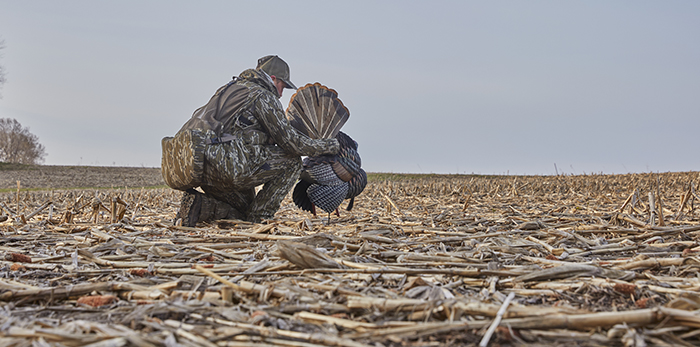
Turkey decoys do one simple, but very critical thing: they make a gobbler give in to their curiosity. Calling will pique their interest, but they may still be hesitant and cautious. A realistic decoy setup gives a bird the visual confidence to close those final few yards.
Decoys help:
For beginners, effective decoy setups often include:
Decoys are most useful in open areas or when visibility is limited. Avoid creating a flock and overdoing your decoy setupkeep it simple!
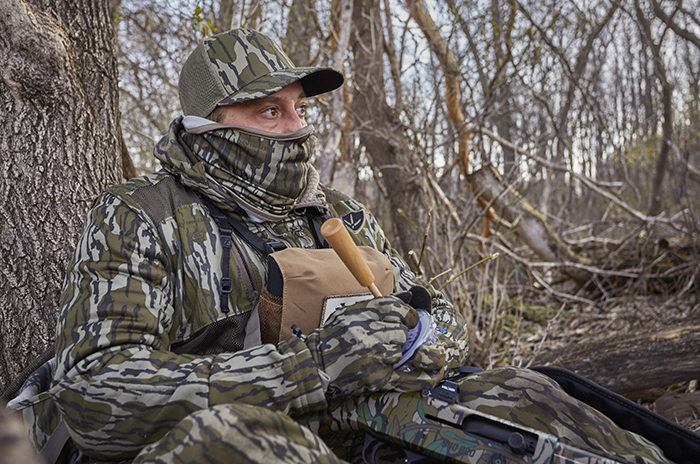
Turkeys have excellent eyesight. Their eyesight is three times better than humans who have 20/20 vision and unlike most animals, they can see in color. That's why choosing the right attire to wear out in the field is a critical part of a successful turkey hunt.
Effective spring turkey hunting camouflage should:
Head-to-toe camouflage is important, including gloves and face coverings, since turkeys easily detect exposed skin and movement. Fresh, natural color contrast will create more visual confusion for turkeys which is exactly what you want! Learn more about effective camouflage patterns for turkey hunting here.
Spring weather can bring tumultuous conditions that change quickly during turkey hunting season. Snow, rain and mud can make for tricky terrain and having the right footwear can make or break the hunt. The right footwear is heavily dependent upon your hunting style, but regardless, your boots should be lightweight and waterproof.
Beginner hunters benefit from:
Spring turkey hunting demands apparel that can handle constant change. Cold mornings warm up warm quickly, long sits turn into sudden movement, and the wrong clothing can distract you at the worst possible moment. That's why regular spring hunting apparel should prioritize comfort, breathability, and quiet performance over bulk or heavy insulation. When your clothing regulates temperature and moves with you, it's easier to stay focused and patient until an opportunity presents itself.
Layering is the key to staying comfortable throughout the hunt. Lightweight, moisture-wicking base layers help manage sweat during hikes and setup, while flexible mid-layers add just enough warmth without restricting movement. Outer layers should block wind and light moisture while staying quiet and packable as temperatures rise. Durable, breathable pants with stretch make a big difference when it comes to sitting, kneeling and shifting positions on the ground. Together, these apparel choices help you stay comfortable, adaptable and ready when the turkey comes into view.
A turkey vest isn't just designed to store the essentialsit's designed to be a strategic tool that keeps you organized and ready to move when a bird finally commits. Because turkey hunting is so unpredictable, things like calls, face masks, snacks, water and decoys need to be easily accessible. You don't want to waste time or blow your cover by rummaging through your dark backpack. Minimizing movement is key here and a turkey vest helps you do just that.
A turkey vest also typically includes a seat or a cushion that can help you stay comfortable when you're sitting against a tree or planting yourself quickly after locating a gobble. The layer of comfortability will help you sit longer and stay still. If you're constantly re-adjusting yourself or shifting to a more comfortable position, you are likely to draw attention to yourself.
Turkey vests are especially useful for beginner hunters because it makes setup simple.
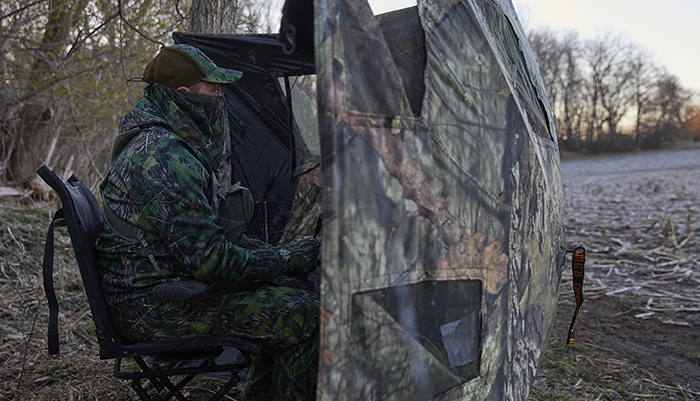
Successful turkey hunting comes down to setup more than calling strategies or shooting accuracy.
A good setup includes:
Beginners often make the mistake of setting up without considering how they'll move, draw or shoulder a firearm when a turkey approaches. Choose your setup gear thoughtfully, read reviews and ensure you're positioned for the shot.
New hunters often struggle due to a few avoidable errors:
Understanding turkey behavior and prioritizing concealment helps beginners improve quickly.
Turkey hunting requires extra awareness because hunters are mobile, visibility can be limited, and calling can attract both birds and people. Always positively identify a turkey before raising your firearmnever move toward sounds or motion alone. If you hear another hunter calling, stay put, make your presence known and allow them to move away rather than approaching.
Wear blaze orange when walking, changing locations, or transporting a bird, even if it isn't required while calling. Once set up, place decoys off to the side and never directly in front of you and avoid setups where another hunter could shoot in your direction. Maintain safe muzzle control, know your shooting lanes and background, and don't hesitate to back out if hunters are nearby.
Staying visible, patient, and intentional keeps turkey season safe and enjoyable for everyone.
If you're new to hunting in general, spring turkey hunting has a low barrier to entry, but comes with a learning curve. It combines strategy, patience, and close-range excitement while teaching skills that are transferrable to other seasons and species.
By understanding the turkey hunting season, choosing the right turkey hunting gear, and focusing on proper setup and concealment, beginner hunters can build confidence and find success faster.
With preparation and practice, spring turkey hunting can become more than just a season; one hunt can be the catalyst to an annual tradition.