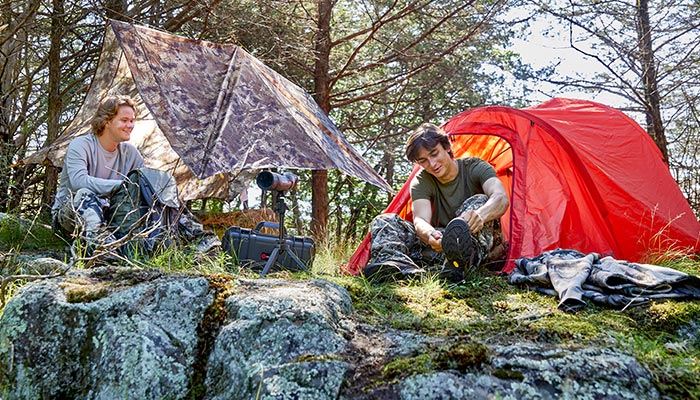
When you're chasing game deep in the backcountry, the ability to set up a spike camp a minimalist base camp located close to your hunting area can mean the difference between punching your tag or going home empty-handed. Spike camps reduce travel time, keep you close to prime hunting spots, and let you hunt harder with less fatigue. The key is balancing mobility with comfort and safety.
Below are the essentials for building a backcountry spike camp that's efficient, comfortable, and ready for any conditions.
Shelter: Your Backcountry Home Base
Weight and durability are the main priorities when choosing a spike camp shelter.
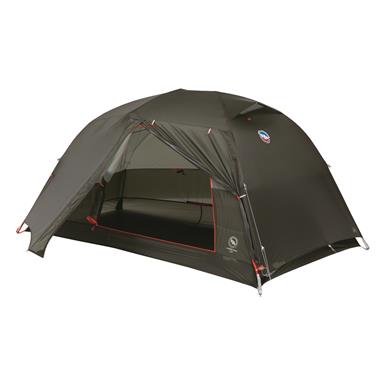
- Lightweight Tents Look for 1 - 3 person backpacking tents with weatherproof ratings and quick setup times. Four-season tents are a smart choice in cold or unpredictable climates.
- Bivy Sacks & Tarps For extreme mobility, a bivy sack or tarp shelter keeps weight down and setup time minimal.
- Tent Footprints Protect your shelter floor from rocks and roots with a fitted footprint or groundsheet.
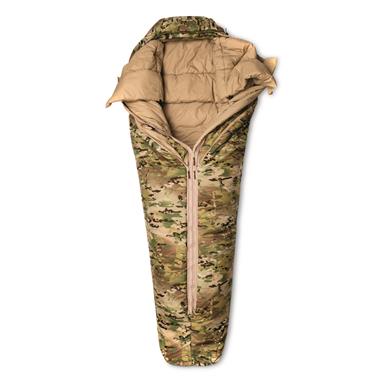
Sleep System: Rest Equals Performance
A good night's sleep ensures you can hunt effectively day after day.
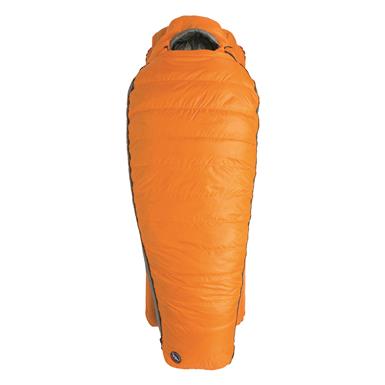
- Sleeping Bags Choose down for warmth-to-weight efficiency or synthetic for wet-weather reliability. Match temperature ratings to your season and elevation.
- Sleeping Pads Inflatable or closed-cell foam pads add insulation and comfort, keeping you warmer on cold ground.
- Pillows An inflatable pillow or a stuff sack filled with extra clothing can improve sleep without adding much pack weight.
Cooking & Food Storage
Keeping meals simple, lightweight, and energy-packed is the key.
- Portable Stoves Compact gas or multi-fuel stoves allow for fast boil times and minimal fuel use.
- Cookware Titanium or aluminum pots keep weight low and heat efficiently.
- Food Storage In bear country, use bear-proof canisters or hang food away from camp.
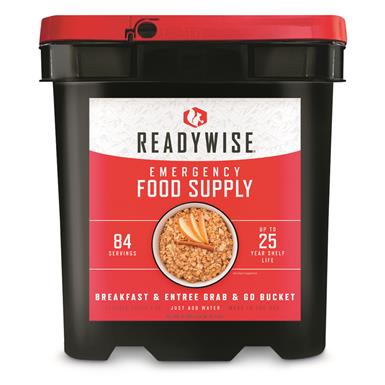
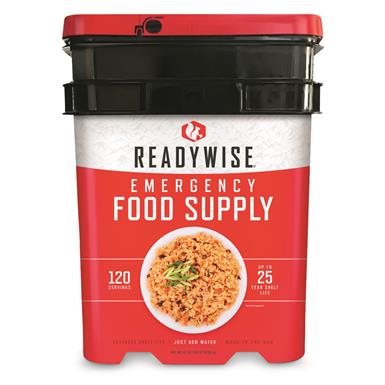
- Freeze-Dried Meals Lightweight, calorie-dense options that only require boiling water.
Water Filtration & Hydration
Backcountry water sources can be unpredictable.
- Water Filters & Purifiers Pump filters, squeeze systems, or UV purifiers ensure safe drinking water.
- Hydration Bladders & Bottles Keep water accessible during long hikes and glassing sessions.
Backpacks & Hauling Gear
Your pack is the hub of your spike camp mobility.
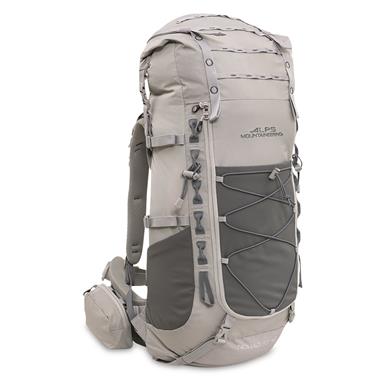
- Hunting Backpacks Choose a frame pack or modular system with meat-hauling capability for packing out game.
- Dry Bags Keep critical gear dry in wet conditions.
Lighting & Power
A spike camp without light is a challenge after sunset.
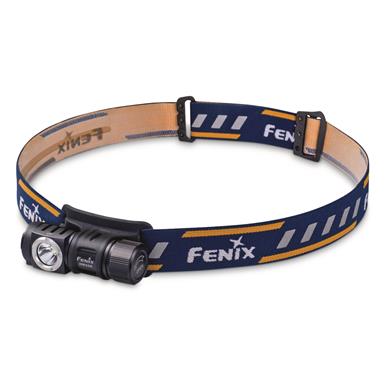
- Headlamps Hands-free light for setting camp, cooking, and pre-dawn hikes.
- Lanterns Small, battery-efficient lanterns for cooking or camp chores.
- Power Banks Recharge GPS units, radios, or phones.
Essential Extras
Don't overlook the small but vital items:
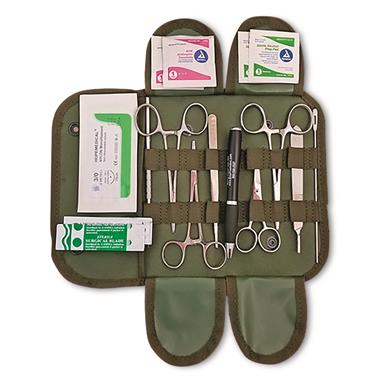
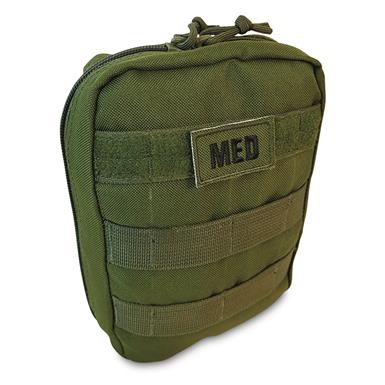
- First Aid Kit Tailor it for wilderness hunting with blister care, trauma supplies, and basic medications.
- Navigation Tools GPS units, maps, and a reliable compass.
- Game Processing Gear Lightweight knives, game bags, and gloves for field dressing.
- Weather Protection Packable rain gear and insulating layers to adapt to changing mountain weather.
Spike Camp Setup Tips
- Choose a Strategic Location Set up near water, sheltered from wind, and close to high-traffic game areas without being in direct line of sight or scent.
- Stay Minimal Every ounce matters. Focus on multipurpose gear to keep your pack weight down.
- Practice Pack Organization Know exactly where each item is so you can set up or break down camp quickly.
- Leave No Trace Preserve the backcountry for future hunts by packing out everything you bring in.
A spike camp is more than a temporary homeit's a strategic hunting tool. With the right gear and careful planning, you can extend your reach, maximize your time on target, and experience the thrill of backcountry hunting without the limitations of long daily treks.