Silencing Your Crossbow
The importance of silencing your crossbow and how to do it to ensure stealthy hunting.
Todd Bromley July 21, 2023



BIG SAVINGS
+EVERYTHING SHIPS FREE
Learn More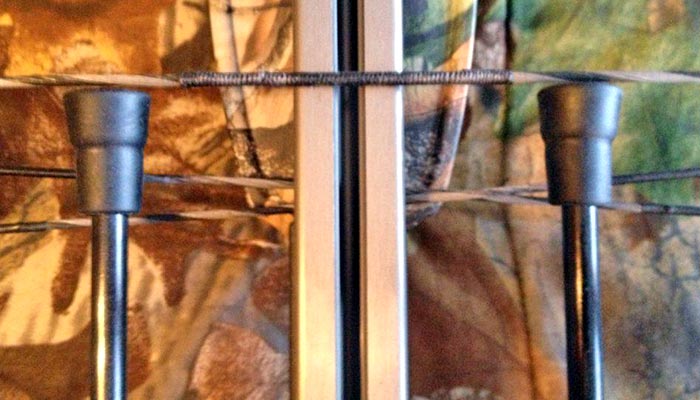
A crossbow is a very compact, powerful weapon that produces a substantial amount of vibration/noise when fired. A crossbow in the cocked position is much like a compressed spring, and that compression stores a significant amount of energy. All of that stored energy ready to be unleashed at any given moment creates considerable noise as the limbs shoot forward and then return to their uncocked position.
When a crossbow's limbs are holding up to 200-pound draw weights, it's easy to understand why so much vibration/noise is generated when the string is released. Over the past several years, manufacturers have made huge strides with crossbow designs to reduce vibration/noise; however, crossbows will never be as quiet as their vertical counterparts.
There are three areas on a crossbow, that when addressed properly, can reduce vibration/noise considerably. They are the foot stirrup, the arrow retention spring and the string itself.
The most efficient way to reduce the vibration of the foot stirrup is to wrap the entire stirrup with rubber plumbers tape. Most local hardware stores will have it in stock. The rubberized tape will eliminate 90 percent of the vibration/noise generated from the foot stirrup.
There are a number of arrow retention spring dampening accessories on the market that reduce vibration/noise. I highly recommend placing at least two spring dampeners on the arrow retention spring if possible.
The only way to eliminate string vibration is to add a string dampening system to your crossbow. The system consists of two rods with rubber stops on their ends. These attach to either the riser of the crossbow or the limbs themselves. When the crossbow is fired, the string moves forward until it reaches the end of its powerstroke where it comes into contact with the rubber ends of the dampeners, thereby effectively reducing string vibration/noise.
There are other crossbow silencing products on the market such as string suppressors, cat whiskers and limb dampeners, but they have little effect on silencing your crossbow. As a rule; however, these products will cost your crossbow feet per seconds when attached directly to the string or limbs.
Follow the tips above and you'll substantially reduce the vibration/noise of your crossbow without impacting your crossbow's performance.
At Sportsman's Guide, we're into crossbows. Big time. We're your trusted source for TenPoint Crossbows, Ravin Crossbows, Barnett Crossbows and more.