Coyote hunting is one of the fastest-growing segments of predator hunting in North America. Whether you're a seasoned predator hunter or just starting out, one thing is clear: your success often hinges on your setup. Understanding how to tailor your calling strategy to your region, terrain, and calling equipmentmouth calls or electronic callscan make all the difference between a successful hunt and a long, quiet sit.
Let's break down the different types of calling setups and how they change depending on where in the country you're calling coyotes.
Types of Coyote Calls: Mouth Calls vs. Electronic Calls
Before diving into regional strategies, it's important to understand the two primary tools used to call coyotes:
Mouth Calls
- Pros: Lightweight, affordable, and extremely versatile in the right hands.
- Cons: Require practice, limit movement, and can be physically demanding over long hunts.
- Best For: Hunters who like to stay mobile and enjoy a more hands-on, traditional approach.
Mouth calls include open-reed howlers, closed-reed distress calls, and diaphragm calls. They allow for more nuance and improvisation, ideal for changing tactics on the fly.
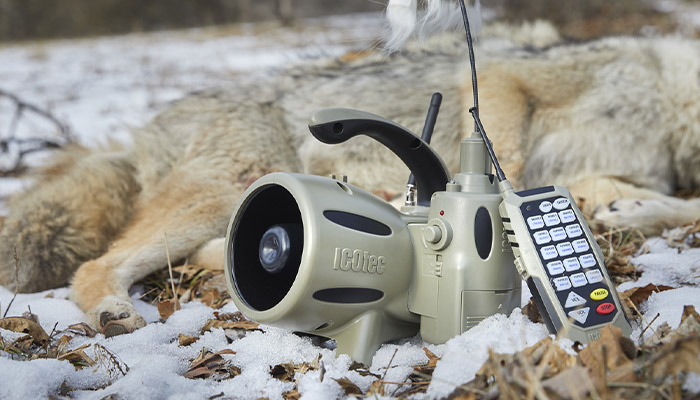
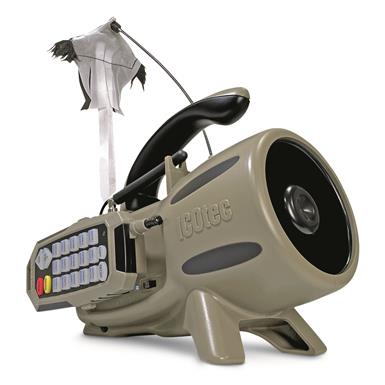
- Pros: Broad range of sounds (howls, pup distress, prey distress, etc.), remote operation, and consistent tone.
- Cons: Require batteries, can be bulky, and sometimes overused in pressured areas.
- Best For: Situations where minimizing hunter movement is critical, or when you need volume and reach.
E-calls are especially valuable in wide-open terrain or during cold conditions where extended sits are common.