

Ground Blinds 101: Everything You Need to Know (Including Mistakes to Avoid!)

Learn how to choose, set up, and hunt from a ground blind with confidence. This complete guide covers buying tips, placement strategies, and common mistakes hunters should avoid.

February 18, 2026
 
5 out of 5 star rating 2 Reviews
Ground Blinds 101: Everything You Need to Know (Including Mistakes to Avoid!)

What's the oldest, most effective way to hunt big game on the ground? The answer may surprise you! Ground blinds are an underrated, but essential tool for hunters hunting big-game animals, especially in places where trees and coverage are sparse.These types of hunting blinds are enclosed or semi-enclosed structures that provide both visual concealment and scent disguise from animals on the ground. They can also serve as refuge from inclement weather or harsh elements during a hunt.  


Even though ground blinds are relatively easy to set up, there are nuances to finding the right fit for your hunt and to setting it up correctly. In this easy-to-digest course, we'll walk you through everything you need to know to shop for the right blind including how (and where!) to set it up. We'll even share some of the most common mistakes people make when using a ground blindnone of which you will commit after reading this! 

Why and When Would I Use a Ground Blind? 

Ground blinds, also called pop-up blinds, are designed to keep hunters mobile and adaptable. As conditions change and animal movement shifts, a ground blind makes it easier to relocate and reset with minimal disruption. Hunters will appreciate the versatility during longer sitting periods, especially if the wind changes directions. This is opposed to a raised platform blind (usually used in trees and hunting stands) which is far more cumbersome to reposition after it's been set up.  


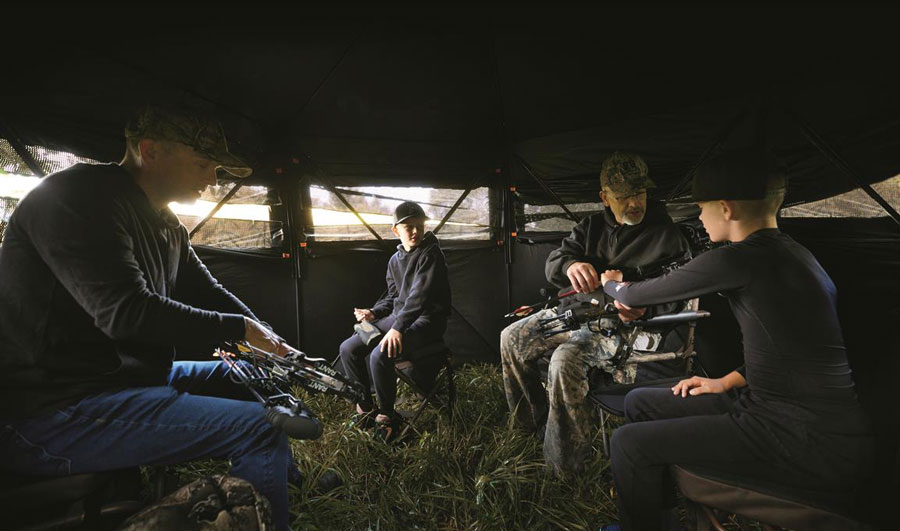
A ground blind is effective because it conceals full-body movementwhether you're drawing a bow or shifting your weightwhile keeping you hidden from animals in the field. Not only is it an effective tool for when trees are non-existent or minimal, some hunters also prefer them simply because they offer a more comfortable set-up with more space to move around. It also offers a layer of safety for hunters. When you're hunting on public land hidden in the trees, animals will not be able to see you, but neither will other hunters. Blinds are easier for hunters to spot. 


People use ground blinds to hunt: 

  • Whitetail deer (especially archery or firearm in open terrain) 
  • Turkey 
  • Pronghorn 
  • Black bear 
  • Predators (coyote, fox) 
  • Waterfowl (layout-style or field-edge setups) 


How to Shop for Ground Blinds 

If you're overwhelmed by all the options to sort through, don't worrywe'll lay out the things you should look for starting with the key features to assess. The first thing you need to consider is your own needs. Are you looking to take your kids out? Are you wanting the ability to move around without being seen? Do you want an alternative option to climbing up into a tree stand? By identifying the main reason(s) you're interested in a ground blind, you can narrow down your options considerably. 


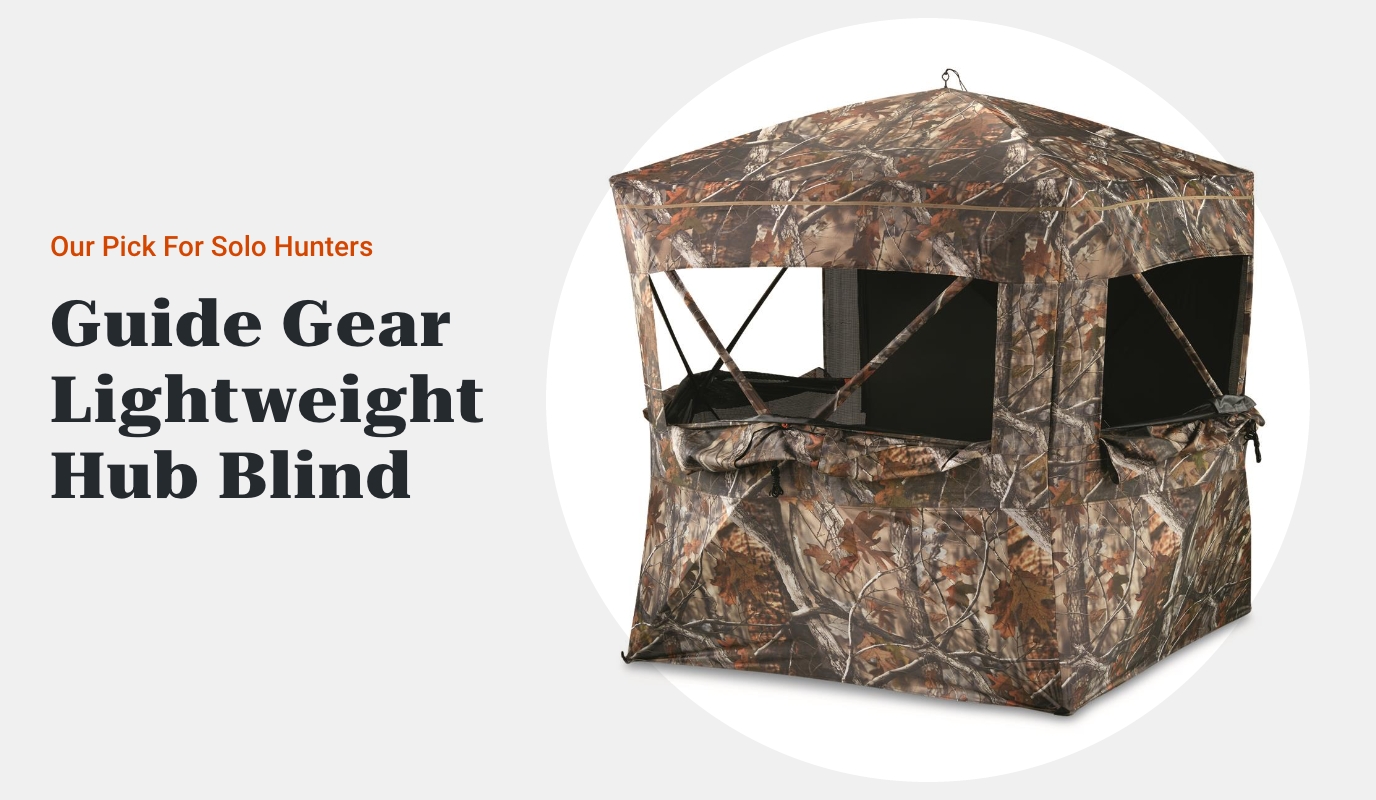
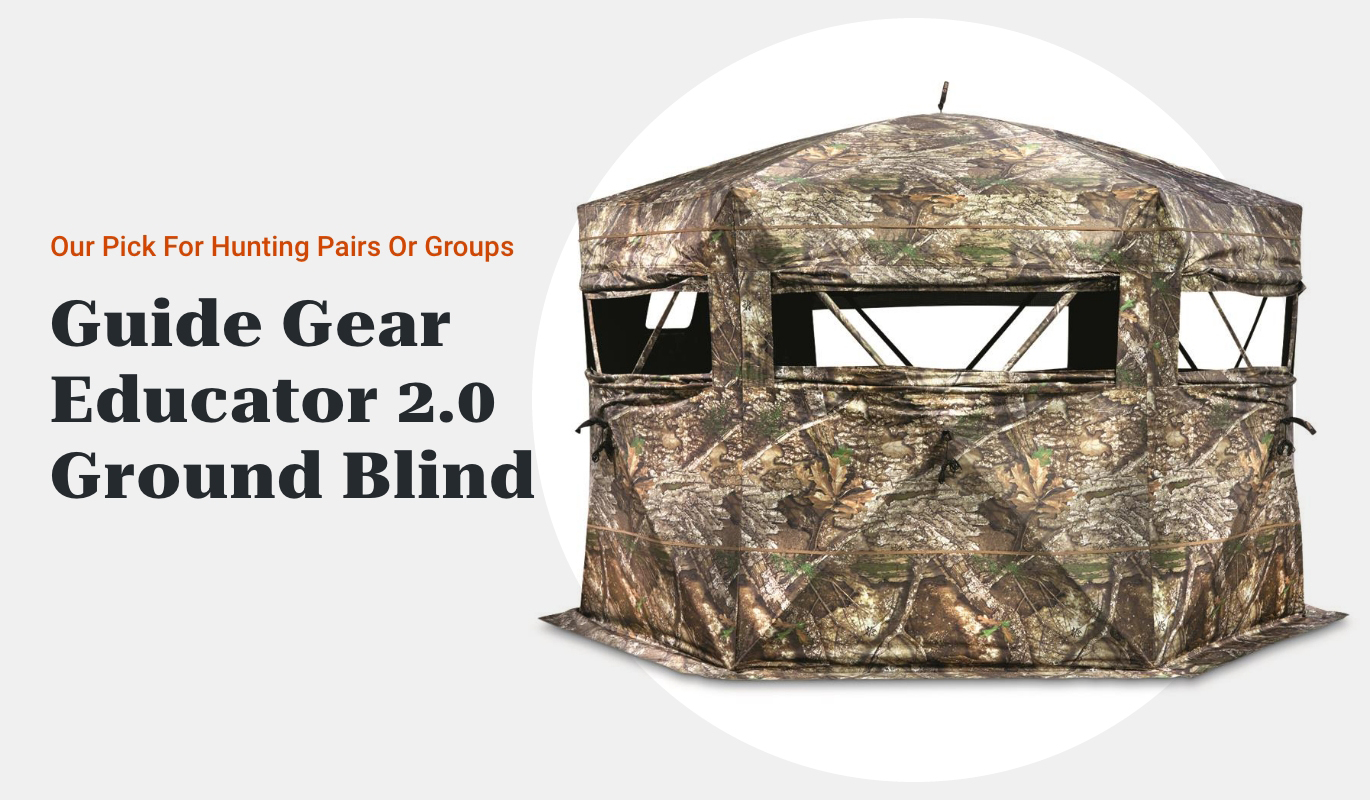
Shopping by size is the easiest way to narrow down the options. If you hunt alone, we suggest looking for a compact two-person blind. Solo hunters will benefit from a smaller footprint that makes repositioning quick and easy. When hunting with another person, a larger two- or three-person blind is a better option. The additional space allows hunters to move around inside and take more gear with them. The extra space also makes it easier to set up a shot without bumping the blind or drawing attention; this is especially true for bow hunters.  


As a general rule, ground blinds run small, so you should choose a blind that's one size bigger than the number of hunters inside. Even if you're hunting alone, a two-person ground blind ensures you'll have plenty of space. 

Next, you should determine whether or not you'll be setting up your blind for the day and then packing it up and taking it with you. If that's the case, you'll want to look for a pop-up-style blind made with lightweight materials. You want it to have a compact folded size so that it's easy to carry and move so you can adjust to the hunting conditions and weather quickly.  


If you want to set up for an entire weekend or for a few consecutive days, then you should look for a more durable, weather-resistant ground blind. Look for heavier fabric and blinds with stakes or ties to secure the structure. One of the advantages to leaving your blind setup for a few days is that animals grow accustomed to it, reducing the risk of scaring them off. 


Also, pay attention to the window setup. The size and shape of the shooting window makes a big difference when it comes to what you're using to hunt i.e. a rifle or a bow. Other windows are also going to help ventilate the inside while keeping bugs out. 

How to Set Up Your Ground Blind

The first thing you need to do when your blind arrives at your doorstep is to set it up at home. You do not want to figure out the setup, nooks and crannies out in the field! Unboxing and setting it up at home also helps neutralize the strong manufactured scentan unfamiliar scent that could raise a red flag for animals. Most ground blinds can be set up by yourself in a matter of minutesthey literally pop up into place. 


An important part of your setup is a blind chair. Before you think any old chair will do, you should know that they are not created equal! Keep in mind that you will be carrying your chair along with your blind so you'll want to ensure that it's not too heavy to carry a long distance. Window placement and whether you're hunting with a bow or firearm are also important factors to consider. If you're hunting with a bow, a lower chair will work. But if you're hunting ducks with a rifle, you would need a taller chair. If you're not sure, your best bet is to purchase a blind chair with an adjustable height.  

We recommend buying a swivel chair especially if your blind has several windows with 360-degree views. If you're after maximum comfort (especially for longer hunts), we love this extra-padded, oversized chair from HuntRite. It's easy to fold up and transport. Another option is the Bolderton Premium Blind Chair. Described as the throne, it's built with lumbar spine support, a smooth swivel, removable armrests and adjustable height capabilities. It is slightly bulkier so not an ideal option if you need to carry it far into the field. 

You'll also want to include these additional items in your setup: 


  • Face mask to conceal yourself from animals 
  • Scissors 
  • Natural-colored twine 
  • Knife 
  • Garden shears 


Remember, there's a good chance that you will be setting up your ground blind and hunting setup in the early morning hours a.k.a the dark. So by laying out your set up in advance, you ensure that you have everything you need and that all of your hunting gear fits the space. 


Where to Set Up Your Ground Blind 

Now that you know which ground blind is a good fit for you and how to set it up, you need to know where it should go. There's a science to picking the perfect spot for a ground blind, but it's not complicated! The biggest mistake hunters make is positioning their ground blind on the edge of where they want to hunt against the treeline. You need to figure out where the animal you're hunting is and then set up your blind downwind. Because animals are very familiar with their surrounding environment, they do notice when there's something foreign in their space.

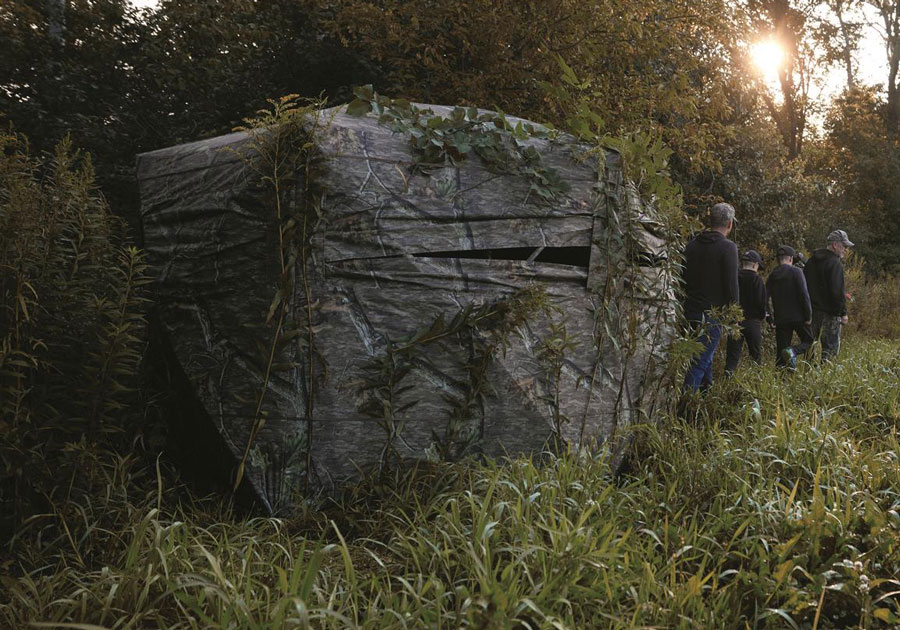
The ground blind should be hidden within a tree, bush or shrub. You can trim branches and leaves back for a clear shooting path. It should absolutely be in shade. It's also important to remember that because your vantage point is from the ground, you need to choose an area with low vegetation. If the grass or weeds are too tall, you won't be able to see your target, let alone hit it. Once you're set up, you may need to create a trail to get into your blind by cutting down any surrounding vegetation (including sticks) that would cause noise. You will likely need to manipulate your hideout by adding branches and leaves in places, adding brush in front of some windows but clearing the space in front of shooting windows.  


How to Hunt from a Ground Blind 

Hunting from a ground blind is about staying hidden, comfortable and ready while minimizing movement at eye level. Start by leveling your chairadjustable legs help on uneven groundand set your height before the hunt begins. Only open the windows you plan to shoot from; the less light that enters the blind, the better concealed you'll be. Wear camouflage or dark clothing, especially on your face and upper body and sit farther back from the windows to stay hidden in the shadows. 


Inside the blind, limit visibility and movement. Keep unused windows mostly closed or covered with perforated screens so you can see out without letting light in and avoid sticking your gun barrel or bow out the window, as animals can detect both movement and shine. Organize your gear quietly and keep it off the ground using a bow stand or tripod. Position yourself based on anticipated animal travel, but leave nearby windows slightly accessible in case animals approach from an unexpected direction. 


Whether you're hunting with a bow or firearm, stay away from the windows, move deliberately and use the blind's darkness to your advantage. 


Top 3 Ground Blind Mistakes 

Now that you know how to buy the right ground blind for your hunting excursion and you know how to set it up to your advantage, here's what you'll want to avoid: 


  • Do not buy a cheap ground blind. We're not talking about price here, but we're talking about quality of materials. Cheap, flimsy fabric will not be able to withstand frequent interactions with branches and brush. You also don't want a blind with velcro and noisy zippersa good quality blind will be quiet. 
  • Do not position your blind in front of a treeline or edge of the field. As we explained, your blind should be lodged within a bush/shrub or under a tree. Even though the blind is designed for camouflage, it's still a freestanding structure that will stand out to an animal.  
  • Do not wing it. Buying a hunting blind is nuanced and like we said, not all blinds are created equal. Blinds have distinct features that fit your specific hunting ventureknow when, where and what you're hunting in advance and this will help you narrow down the options considerably.

Ground blinds are a versatile, effective tool to hunt effectively at eye levelbut only when they are set up correctly and used strategically. When placed thoughtfully, brushed in, and paired with good wind awareness, a ground blind allows hunters to stay concealed while remaining comfortable and patient for longer sits. By controlling light, limiting movement, and using the right windows for the right shots, hunters can let animals move naturally within range without feeling pressured or exposed. Whether bowhunting or hunting with a firearm, success from a ground blind ultimately comes down to preparation, discipline, and letting the blind do its jobkeeping you hidden while the hunt unfolds naturally in front of you. 

How helpful was this article?
         
Modal Trigger Modal Trigger Modal Trigger Modal Trigger
Modal Trigger Modal Trigger Modal Trigger
Modal Trigger