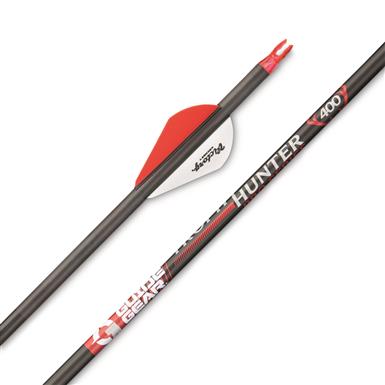
Fletching and the Crossbow Arrow
Dive into the different methods of fletching and all their pros and cons.
May 23, 2023



BIG SAVINGS
+EVERYTHING SHIPS FREE
Learn More
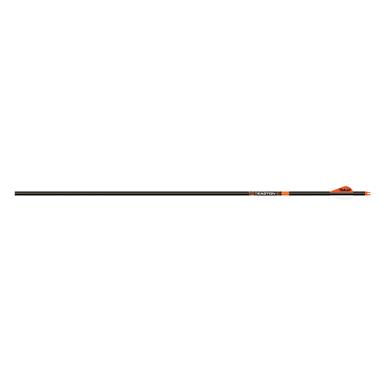
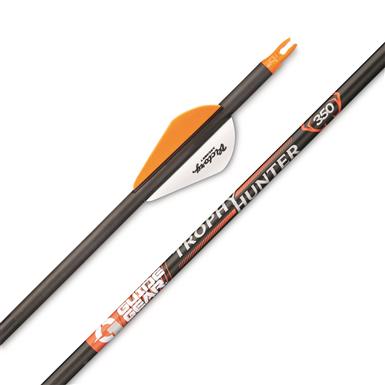
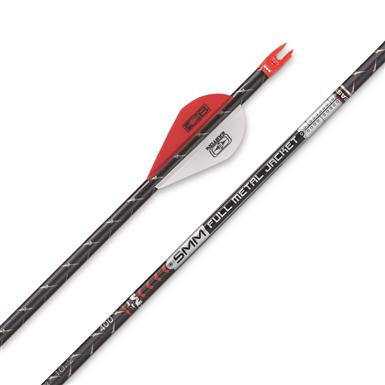
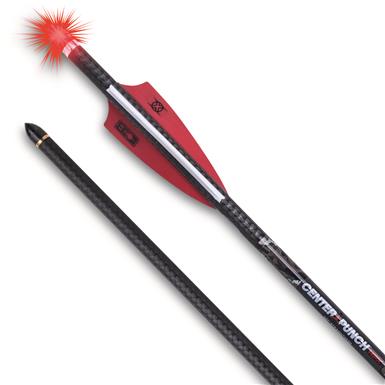
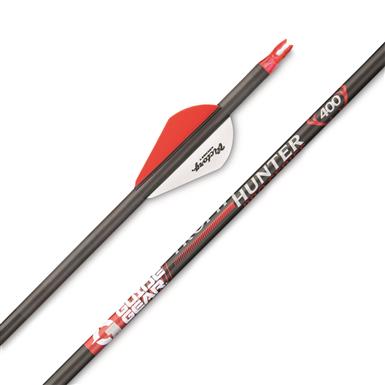
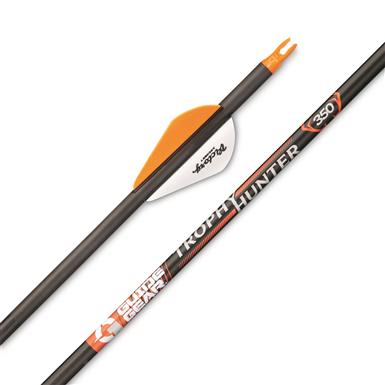
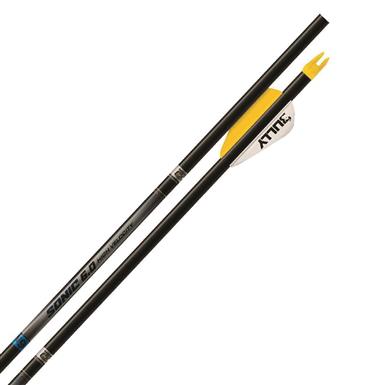
Vanes are glued (fletched) to the arrow (also called bolt) shaft in three distinct positions in relationship to the linear center line of the shaft. Their purpose is to steer the arrow to its intended target. There are three distinct fletching methods commonly used. Let's look at each method and discuss their pros and cons.
Offset is the preferred fletching style of most crossbow hunters.
A straight fletch has the vanes mounted in perfect linear alignment to the center line of the shaft. Typically, this fletch style produces the lowest drag (air resistance) in flight, allowing the arrow to maintain a flatter trajectory over the course of its flight to the target. However, it is not in the crossbow hunter's best interest to employ this style of fletching when shooting broadheads. Broadheads have a larger surface area than field points and will tend to steer the arrow. A straight fletched arrow will be less likely to control it.
An offset method of fletching means the vane is offset to the linear direction of the arrow's centerline. The vane is actually laid in a straight line, but simply placed at a slight angle anywhere between one and four degrees to the linear run of the arrow. This method, in conjunction with the angle of offset, will impart a certain degree of drag on the vanes and better control the arrow. This is the preferred fletching style of most crossbow hunters.
A helical fletching is placed in a spiral orientation on the shaft of the arrow, in effect winding its way around the shaft. The helical method of fletching is generally considered as the most effective and causes the arrow to rotate, somewhat like a rifled bullet. Often times a helical fletch is not practical to use in crossbows. With the radical twist of the vane, the vane itself will come in contact with the arrow channel as it is pushed down the rail. This can lead to erratic arrow flight.
At Sportsman's Guide, we're into crossbows. Big time. We're your trusted source for TenPoint Crossbows, Ravin Crossbows, Barnett Crossbows and more.