Brassicas: Favorite Late Summer-Fall Food Plot Planting
Everything you need to know about growing brassicas.
May 11, 2023



BIG SAVINGS
+EVERYTHING SHIPS FREE
Learn More
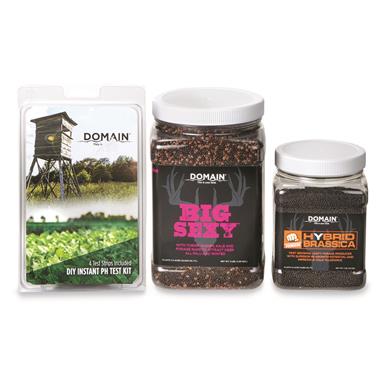
Aim to sow brassicas including kale, turnips, radishes, rape, and forage-friendly hybrids in late summer through early fall. In northern areas, target late July to early August; for mid-latitudes, late August to September works best. In the South, you can plant through October. To optimize leaf growth before frost, sow roughly 45-50 days before your average first frost date.
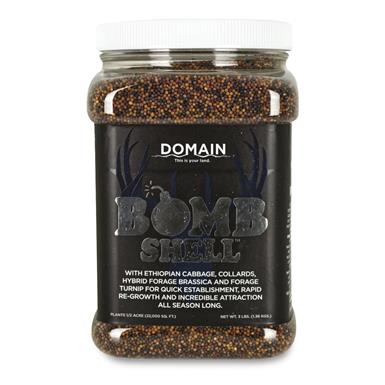
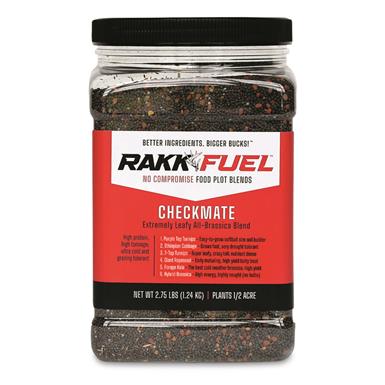
Brassicas offer unmatched value for fall food plots through their nutritional pull, soil-building characteristics, and winter grazing longevity. By combining expert timing, proper soil preparation, and high-quality seed blends, you'll create a thriving, wildlife-attracting plot that performs all season long.
Visit Sportsman's Guide for a great selection of Food Plots & Seeds, as well as ATV Implements.