Best Fixed Blade Broadheads: Ultimate Hunting Guide
Discover the best fixed blade broadheads with our comprehensive guide.
March 01, 2024



BIG SAVINGS
+EVERYTHING SHIPS FREE
Learn More (1).jpg "Best Fixed Blade Broadheads: Ultimate Hunting Guide")
In the archery world, broadheads are often a polarizing topic. Many hunters prefer either mechanical or fixed blades, but rarely both. Advancements in technology and design continue to refine the choices available to modern hunters. In this article, we'll cover some of the top fixed blade broadheads, compare them with mechanical broadheads, and discuss key factors to consider when choosing the right broadhead for your hunting needs.
New age technology vs tried and true simplicity, a tale as old as time.
The choice between fixed and mechanical broadheads usually depends on personal preference and hunting conditions. Fixed blades tend to be more affordable, easier to maintain, and favored by those prioritizing reliability. Mechanical broadheads, while potentially offering superior flight and cutting diameter, require more upkeep and come at a higher cost.
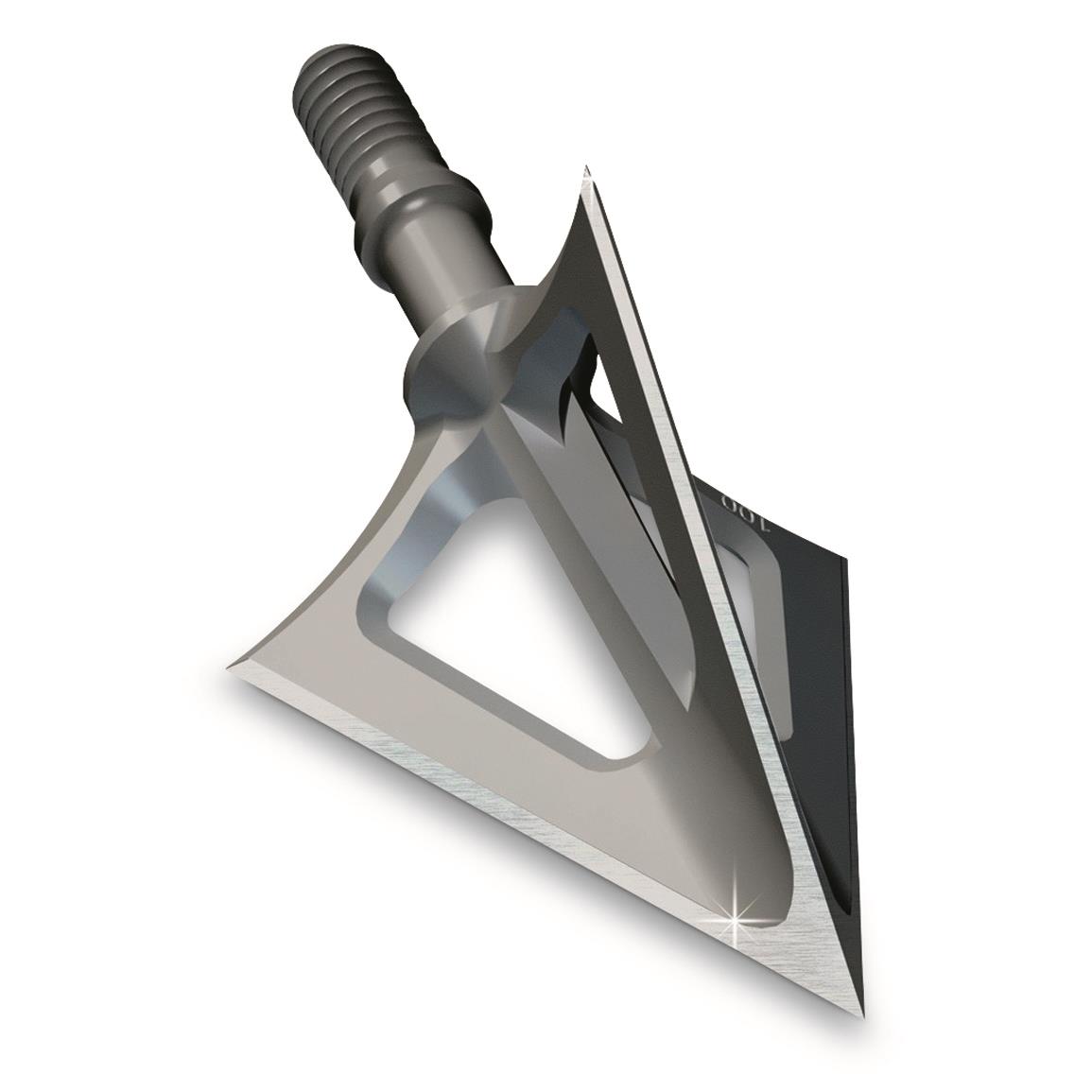
Renowned for their simple design and solid steel construction, the Montec broadheads are spin-tested for accuracy and built to last. Their non-vented design minimizes noise, making them ideal for stealthy shots.
Features:
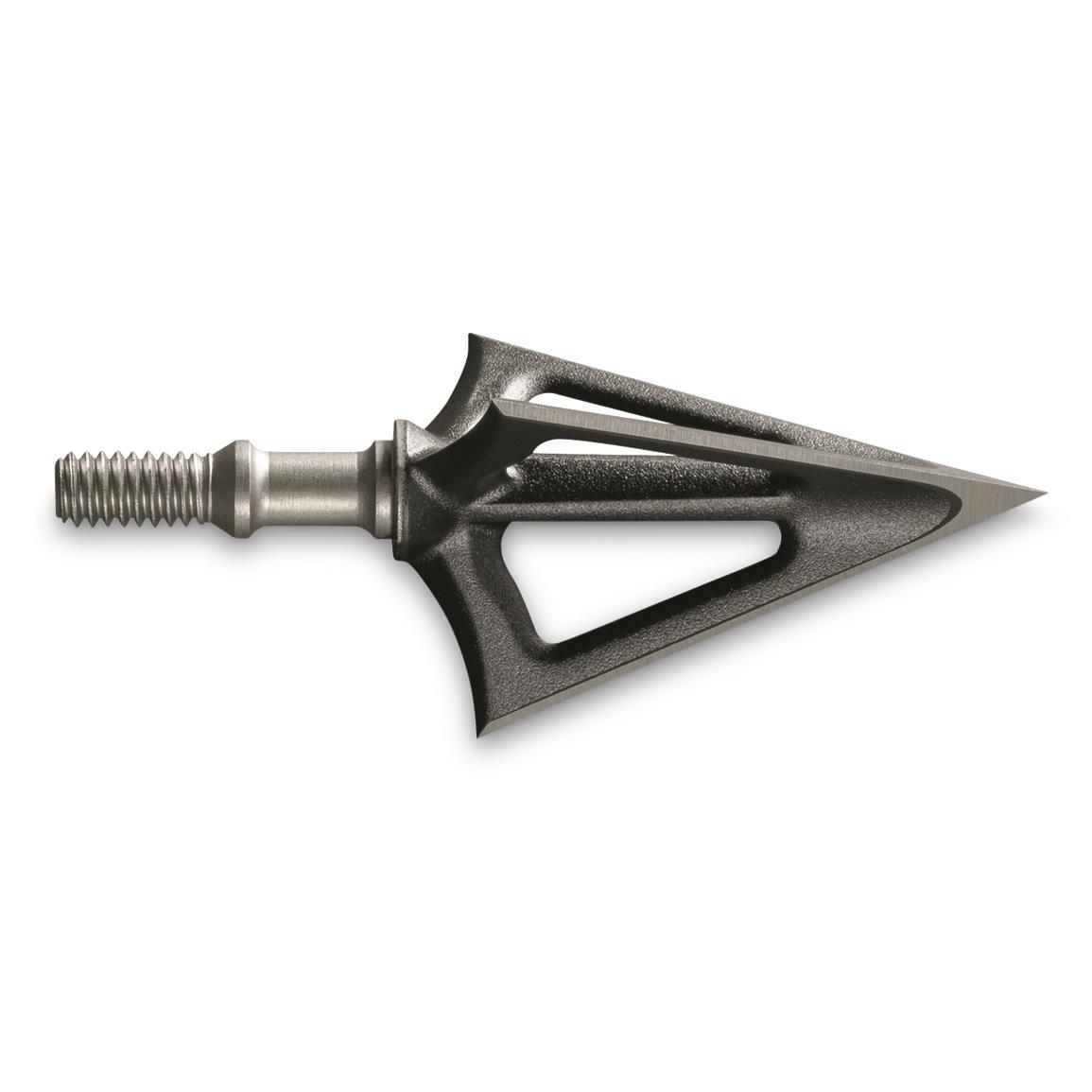
Designed specifically for crossbows, these broadheads deliver precise accuracy and powerful knockdown force with a 1-1/8" cutting diameter and a robust 3-blade design.
Features
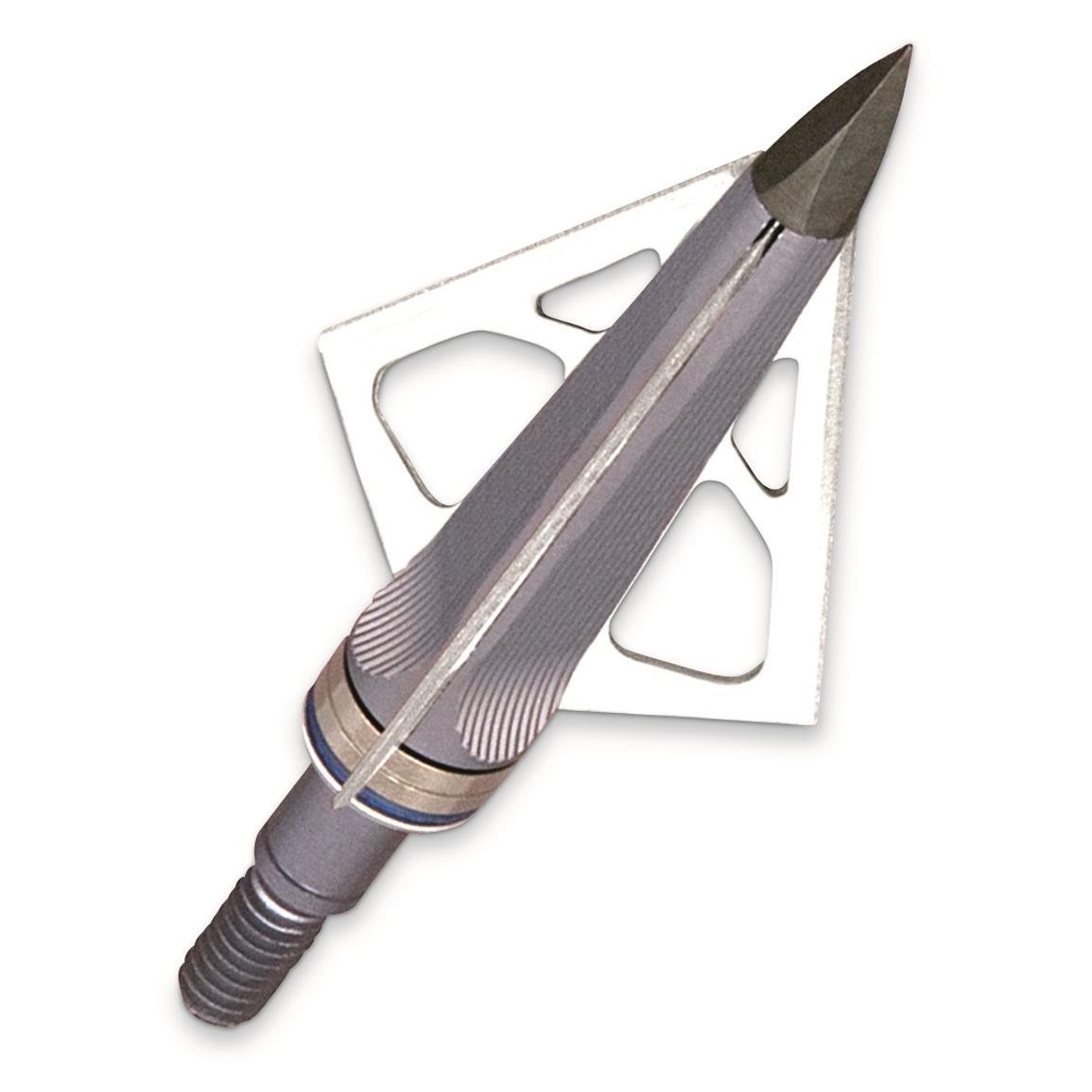
These broadheads feature Diamize™ sharpened blades that create devastating wound channels. Their micro-grooved Slimline® ferrules improve penetration and enhance accuracy.
Features
.jpg "Ozcut Hurricane Best Fixed Broadheads 2024")
Built for accuracy and lethality, the Ozcut Hurricane broadheads offer offset blade technology, a bone-splitting tanto tip, and field point-like accuracy.
Features
When selecting a fixed blade broadhead, consider the following:
Q: Why choose a fixed blade broadhead over a mechanical one?
A: Fixed blade broadheads are preferred for their reliability, simplicity, and strength. They have no moving parts, which means less chance of failure upon impact. They are generally more affordable and easier to maintain. Fixed blade broadheads are suited for hunters who value durability and a straightforward approach in their equipment.
Q: What should I look for in a fixed blade broadhead?
A: Key factors to consider include the number of blades, cutting diameter, blade thickness, material, and weight. These factors influence the broadhead's flight, penetration, and wound creation capabilities. The choice depends on the game being hunted and personal preference.
Q: How do I maintain my fixed blade broadheads?
A: Maintenance involves regular sharpening to ensure optimal performance. Use a sharpening stone and follow a consistent angle to sharpen each side of the blades. It's also important to inspect your broadheads for damage and alignment issues regularly, ensuring they are in good condition for hunting.
Q: Are fixed blade broadheads legal in all states?
A: Broadhead regulations vary by state. It's crucial to check local laws regarding hunting equipment, as some areas have specific requirements for broadhead dimensions and types allowed for hunting. Common requirements include a minimum number of blades and a minimum width.
Q: Can I use fixed blade broadheads for all types of game?
A: Yes, fixed blade broadheads can be used for various game, but the choice of broadhead should be based on the size and type of game being hunted. Smaller cutting diameters are recommended for larger game to ensure deeper penetration and bone crushing, while larger cutting diameters can provide better blood trails for smaller game.
Q: How do fixed blade broadheads affect arrow flight?
A: The design of a fixed blade broadhead can influence the flight of an arrow. Broadheads with a larger blade area may experience more air resistance, potentially affecting accuracy. It's important to choose a broadhead that balances cutting efficiency with flight stability. Practicing with your chosen broadheads before hunting is crucial to understand their impact on arrow flight.
Q: Can I practice with the same broadheads I hunt with?
A: Yes, but it's advisable to use a dedicated set of broadheads for practice to avoid dulling the blades used for hunting. Some manufacturers offer practice heads that mimic the flight characteristics of hunting broadheads without causing wear. Always ensure your practice broadheads are aligned and tuned similarly to your hunting broadheads for consistent performance.
Fixed blade broadheads remain a trusted choice for bowhunters seeking simplicity, strength, and reliable performance. By understanding your specific hunting needs and weighing key factors like blade count, material, and cutting diameter, you can confidently select a broadhead that will perform when it matters most.