Best Deer Hunting Camo & Clothing Guide
Find the best whitetail deer hunting camo and clothing for every season, from base layers to insulated bibs.
October 13, 2016


BIG SAVINGS
+EVERYTHING SHIPS FREE
Learn More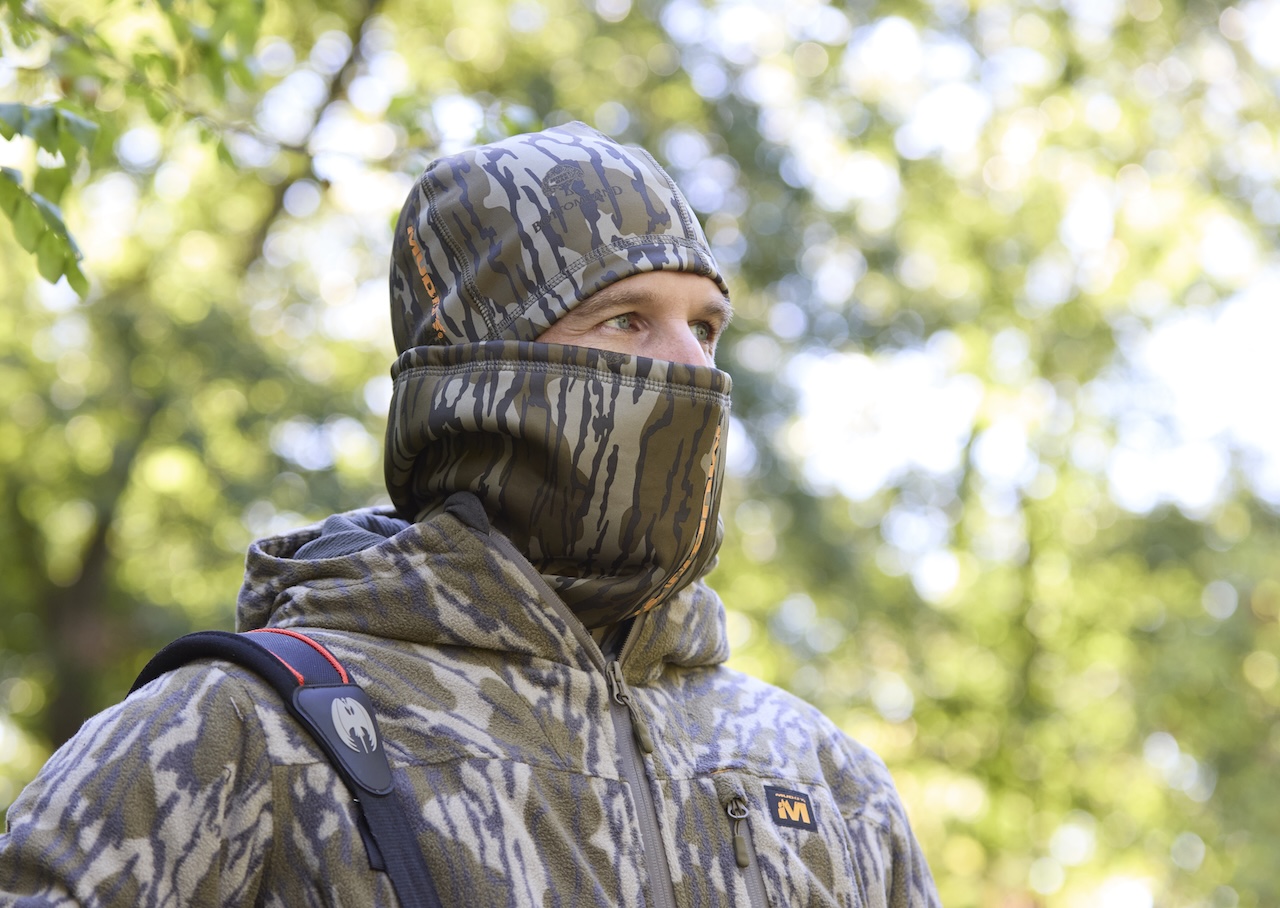
Best Camo and Clothing for Whitetail Deer Hunting
A doe picks you off when you reach for your bow. Your fingers go numb an hour before the buck shows. Your jacket swishes against the bark at the worst moment. None of that comes down to one magic pattern. It comes down to the whole outfit working together.
Whitetails are usually hunted at close range, from long, still sits, in weather that can swing 30 degrees between the walk in and last light. The best deer hunting clothing stays quiet, manages sweat and scent, and breaks up your outline against whatever sits behind you.
This guide covers how deer see, how to layer by season, which camo patterns fit which woods, and what's new for 2026, with specific picks from Sportsman's Guide further down. Keep your own terrain, season, and setup in mind as you read.
How Whitetail Deer See, and What That Means for Your Camo
Deer don't see color the way you do. Humans have three types of color-sensing cones. Whitetails have two, tuned to blue and yellow-green light, so reds, oranges, and greens blur together. What deer do extremely well is spot motion and contrast, especially at dawn and dusk.
Retinal research on white-tailed deer found two cone types, with peak sensitivity near 455 nanometers (blue) and 537 nanometers (yellow-green). That's why a whitetail reads blaze orange as a dull, muted shade. Source: Jacobs et al., Journal of Comparative Physiology A, 1994.
So the best camouflage for deer hunting breaks up your human outline rather than matching every leaf. Look for macro breakup, big blocks of light and dark that chop up your shoulders at 30 yards, plus micro detail that blends with bark up close. Background matters too. In a treestand, deer often see you against gray limbs and sky, so lighter tones help. On the ground, darker patterns fit brush and shadow. And no pattern hides a hunter who moves at the wrong time or ignores the wind.
Dialing In Your Layering System for Whitetail Deer Hunts
A three-layer system lets you adjust instead of suffer. The base layer moves sweat off your skin so you don't chill once you stop walking. Merino wool insulates when damp and resists odor, which is why the ScentLok Merino 250 Wool Base Layer Quarter Zip Pullover works well for rut sits. The synthetic Blocker Outdoors Koretec Men's Heavyweight Base Layer Top handles cold mornings for less money.
The mid layer is adjustable warmth. A vest like the Code of Silence Zone7-Versa Vest keeps your core warm without bulk that fouls your draw. For late-season sits, the battery-powered Muddy Nucleus Heated Vest lets you walk in cool and turn on heat once you're settled.
The outer layer blocks weather, and it's the one deer actually see, so put quiet fabric first. The Blocker Outdoors Men's Shield Series Silentec Hunting Jacket is built around quiet face fabric for archery range. When it's truly cold, the Guide Gear Steadfast 4-in-1 Hunting Parka adds 150 grams of Thinsulate and a waterproof shell. One budget tip: only your outer layer has to be camo. Solid base and mid layers work fine underneath.
Whitetail-Focused Camo Patterns: Breakup, Mimicry, and Digital
Mimicry patterns copy real leaves, bark, and branches. Names like Mossy Oak and Realtree built their reputations here, and these patterns suit stationary hunters surrounded by the same textures the pattern imitates. The trade-off: a pattern made for one type of cover can look wrong somewhere else.
Breakup patterns use large shapes and strong light-dark contrast to disrupt your silhouette. Digital or abstract patterns mix macro and micro elements so they hold up at both 10 and 40 yards, which suits hunters moving between timber, field edges, and brush.
Judge any pattern from across the yard, not at arm's length. Step back 20 yards, squint, and ask whether it still breaks up a human shape and fits the brightness of your woods. Each product lists its pattern, so you can compare men's hunting jackets and hunting pants by the look that fits your ground.
Camo Hunting Clothing Brands for Whitetail Deer in 2026
There's no single winner among camo hunting clothing brands. The right one depends on your region, style, and budget. Compare brands on what you'll notice in the stand: fabric noise at full draw, warmth when you're still, wind and water protection, and pattern choices in your size.
Mixing brands is normal, so build around your weak spot first. Here's how the brands Sportsman's Guide carries compare:
Camo Hunting Gear Trends for 2026
A few real shifts are shaping camo hunting gear this year:
How to Choose the Right Deer Hunting Clothing for Your Style and Terrain
Before you shop, answer these questions honestly:
Bowhunters feel every choice more. Bow hunting camouflage clothing should be soft-faced, trim enough to clear your string, and paired with a headcover from the hunting hats and caps section. Gun hunters in many states need blaze orange too, so check your state's rules and grab a vest or cap from the blaze orange category. Add your picks to your Wish List and compare reviews before you check out.
FAQs: Whitetail Deer Camo and Clothing
1) Do you really need camo to hunt whitetail deer?
No, but it helps. Muted solids can work in a ground blind or thick cover. Camo gives you more room for error in a treestand or at bow range.
2) Can I mix camo patterns and brands?
Yes. Deer don't care if your jacket and pants match. What matters is that your overall brightness fits the background, with no sharp blocks of solid color.
3) How many layers do I need for deer hunting?
Most hunters need three: base, mid, and outer. Early season may call for only a base and light camo shirt, while late season can add insulated bibs and a hand muff.
4) How should I wash deer hunting camouflage?
Use an unscented hunting detergent from the scent and scent eliminators section, skip dryer sheets, and air dry. Many hunters avoid UV brighteners, since deer are sensitive to blue and ultraviolet light. Store clean gear in a sealed tote.
5) How much does a whitetail clothing system cost?
A value system built on Guide Gear or Blocker Outdoors can come together for a few hundred dollars. A premium setup with technical shells, merino, and heated pieces can run past $1,000. Buying one quality piece per season spreads the cost.
6) What's a good camo setup for a youth or new hunter?
Start simple: a budget camo jacket and pants, a synthetic base layer, a warm hat, and good gloves. Kids outgrow gear fast, so kids' hunting clothing keeps costs down.
7) Do I have to wear blaze orange over my camo?
It depends on your state and season. Many states require blaze orange during firearms seasons, so check your state wildlife agency's rules. Since deer see orange as a muted tone, blaze camo can meet requirements and still break up your outline.
Bringing Your Whitetail Camo System Together
The right whitetail deer camouflage system fits your ground, your season, and the way you hunt. Pick patterns that break up your outline against your real background, layer so you can adjust from the walk in to last light, and choose quiet fabric when deer get close. Small upgrades, like a warmer base layer or a quieter shell, keep you on stand longer.
Take stock of your kit before opening day and fill the gaps one piece at a time. Sportsman's Guide carries base layers, outerwear, and accessories at every budget. Shop men's hunting clothing and start building your whitetail setup today.