Gear Up
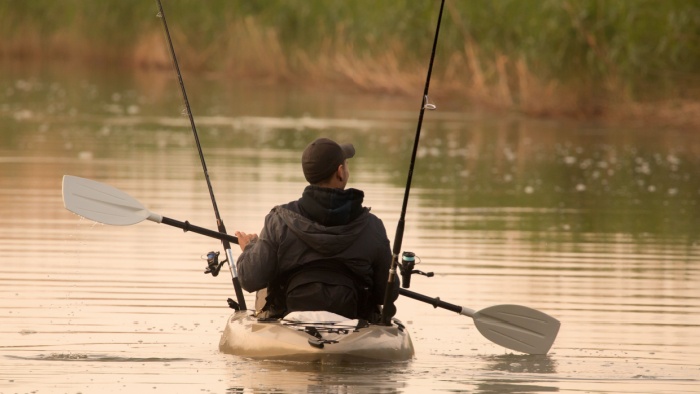
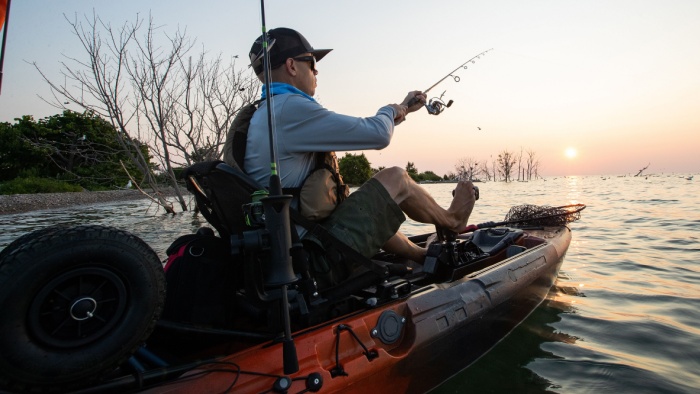
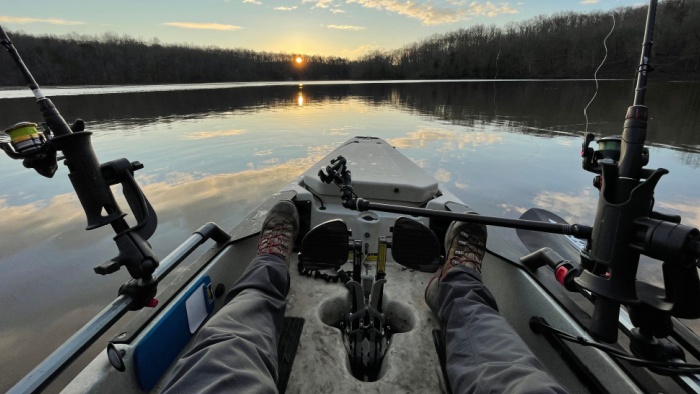
Once you land on a kayak, it is time to gear up for a day on the water. It is not as easy to go back in if you forget something when kayak fishing; you will want to ensure you have everything you need for the day.
The Basics
- A Paddle (with floatation): Choose a lightweight and durable paddle with floatation incase it gets dropped nto the water. Your paddle length should be appropriate for both your height and the width of your kayak.
- Personal Flotation Device (PFD): A well-fitting PFD is a must for safety. Opt for a fishing-specific PFD which comes with extra pockets and attachments for gear and tools.
- Fishing Rods and Reels: Depending on your target species, bring along suitable rods. For versatility, a medium-action rod can be a good all-rounder.
- Tackle Box: Pack a waterproof and compact tackle box. Include various lures, hooks, sinkers, jigs, and any other specific tackle for your target fish species.
- Bait: If using live bait, bring a bait bucket with an aerator to keep the bait alive. For artificial baits, have a variety of sizes and colors to match the hatch of the local prey.
Other Useful Items
- Fish Finder/GPS: A portable fish finder can help identify fish-holding structures and depth. GPS is crucial for navigation, especially in unfamiliar or extensive water bodies.
- Small Cooler: a cooler is great for carrying beverages, food, and a great place to store bait for fish you intend to keep.
- Sun Protection: Sunscreen, a hat, and UV-protective clothing will help protect you during long hours under the sun.
- Knife and Pliers: These are great all-purpose tools that can come in handy in many ways.
- Camera or Action Cam: Most kayaks are made for 1 person, so to get photos of videos of your catch you may want to get an action cam.
Things to Do Before Casting Off for the First Time
Getting ready for a successful kayak fishing trip involves several preparatory steps before you even hit the water. Here's an in-depth look at what you should do before casting off to ensure your outing is not only enjoyable but also safe and efficient.
1. Check the Weather and Water Conditions
- Always check the local weather forecast before you depart. Look for wind, rain, and temperature forecasts. For ocean trips, be aware of tides and currents. Adjust your plans if the conditions seem potentially hazardous.
2. Inspect Your Kayak and Gear
- Conduct a thorough inspection of your kayak for any damage or wear that could affect its performance or safety. Make sure all gear, especially safety equipment like the PFD and signaling devices, are in good working order.
3. Pack and Organize Your Gear Efficiently
- Pack your gear in a way that balances the kayak and keeps essential items within easy reach. Use waterproof bags for items that need to stay dry. Securely fasten loose items to prevent them from being lost overboard.
4. Plan Your Route and Inform Someone
- Plan your fishing route based on the forecast and your familiarity with the area. Always inform someone of your plan, including where you're going and how long you expect to be gone. This is crucial for your safety, especially if you encounter an emergency.
5. Practice Kayak Stability and Re-Entry
- Before you head out, especially if you're using a new kayak or if it's been a while, practice getting in and out of your kayak from the water. This will be crucial if you capsize and need to perform a self-rescue.
6. Check Local Fishing Regulations
- Make sure you are up to date with local fishing laws and regulations. Have your fishing license with you and be aware of size and catch limits, as well as any species-specific rules.
7. Prepare Your Fishing Gear
- Rig your rods and organize your tackle box ahead of time. Pre-tie leaders if necessary, and arrange your lures and baits to match the target species. Having everything ready will maximize your time on the water.
8. Load and Secure Your Kayak
- Load your kayak at home to make sure everything fits and is well organized. Once you arrive at your launching spot, double-check that all gear is secured. This is particularly important as lost gear not only is costly but can also be hazardous to wildlife.
9. Warm-Up and Stretch
- A brief physical warm-up and stretching session can help prevent injuries. Paddling can be demanding, and prepping your body just like you would for any sport can make a big difference in your comfort and performance.
10. Safety Equipment Check
- Ensure you have all necessary safety equipment, including a life vest, whistle, flashlight, and flare if in open water. These items can be lifesaving in emergencies.
Time to Hit the Water
In conclusion, getting into kayak fishing is an exciting and rewarding endeavor that combines the joys of paddling with the thrill of angling. By selecting the right kayak and gear, understanding what to bring, and meticulously preparing for each trip, you set the stage for a successful and enjoyable experience on the water. Always prioritize safety by checking the weather, planning your route, and ensuring your gear is in top shape. With a well-thought-out approach, each kayak fishing trip can be a fantastic opportunity to connect with nature, challenge yourself, and possibly land a great catch. So gear up, cast off, and enjoy the serene yet exhilarating world of kayak fishing.