7 Essential Features to Look For in a Fish Finder
Looking for a new fish finder? Make sure you look for these 7 features to put you on the fish.
March 26, 2024



BIG SAVINGS
+EVERYTHING SHIPS FREE
Learn More
Whether you're a weekend warrior casting lines when you get a minute of free time or a seasoned angler venturing into the deep seas, having the right fish finder by your side can turn a good fishing day into a great one. But with so many options out there, what features should you prioritize to ensure you're bringing home the trophy fish and not just tales of "the one that got away"? Let's dive in
.jpg "FISH FINDER TRANSDUCER")
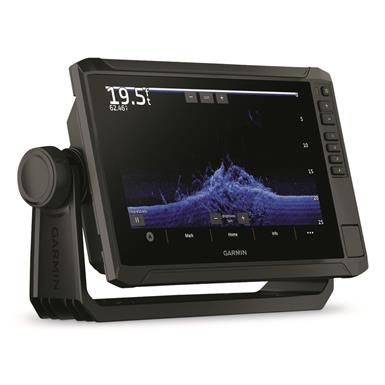
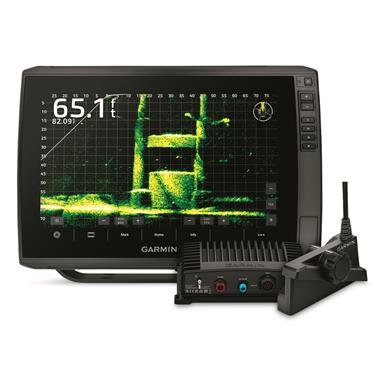
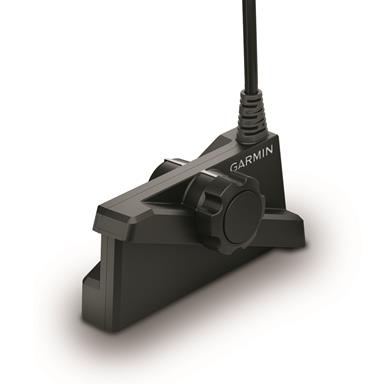
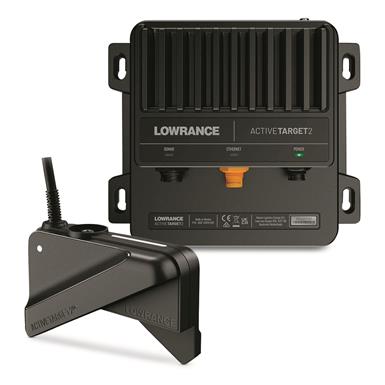
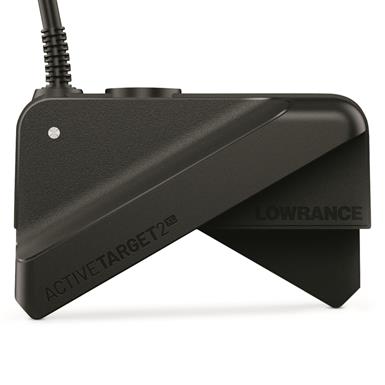
At the heart of a fish finder's capability to uncover the mysteries of the deep lies the transducer, a component that is as crucial as it is often overlooked. The transducer is the component responsible for converting electrical pulses into acoustic energyor sonar wavesthat travel through water, bounce off objects, and return to paint a picture of the underwater world. Understanding its role and how it complements features like real-time sonar, live mapping, and high-definition screens is key to maximizing your fish finder's potential.
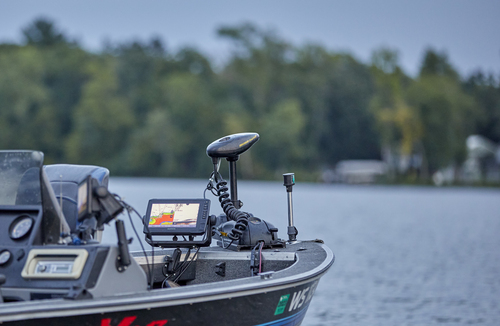
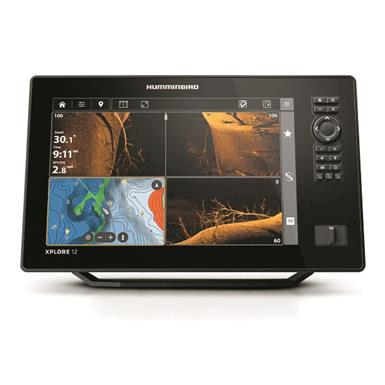
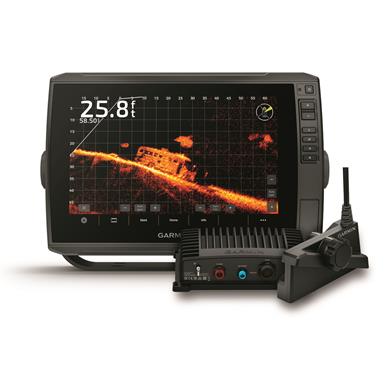
A high-resolution display on your fish finder isn't just a luxury; it's your underwater eyes. The difference between a standard screen and a high-resolution one can be likened to watching a movie in 480p versus 4K; every detail matters. High-res screens offer superior clarity and detail, allowing you to distinguish between types of fish, identify fish schools, and understand the structure of the bottom. This clarity is invaluable, especially in sunny conditions where glare can make screens difficult to read. Opt for a display that combines high resolution with sunlight readability to ensure that no matter the conditions, you can easily interpret what's below.
.jpg "Advanced Sonar Capabilities fish finder")
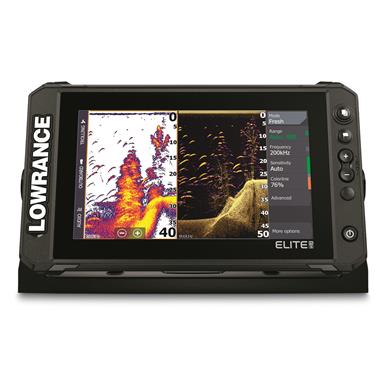
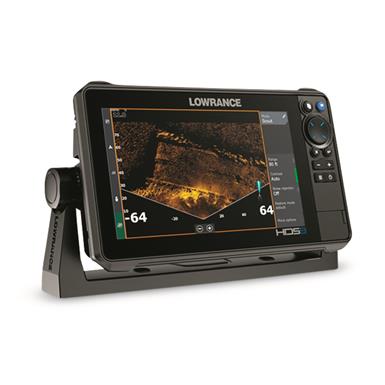
The evolution of sonar technology from single-frequency to CHIRP has revolutionized fish finding. Traditional sonar works well for basic depth readings and detecting objects directly below your boat. However, CHIRP sonar offers a continuous sweep of multiple frequencies, which translates to much finer detail and improved target separation. This means you can see individual fish more clearly, distinguish bait from game fish, and identify structures where fish might be hiding. Moreover, CHIRP's enhanced depth penetration is a boon for anglers fishing in deeper waters, ensuring you never miss what's lurking below.

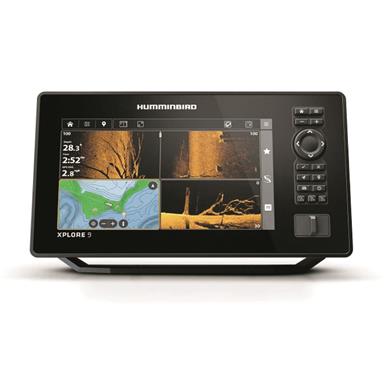
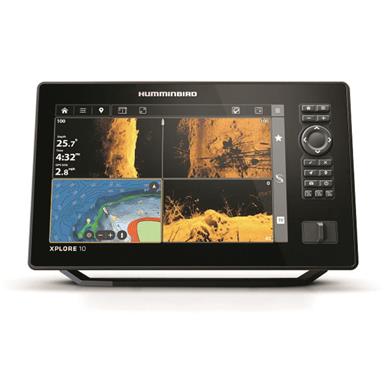
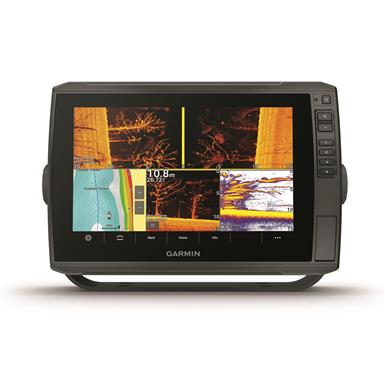
A fish finder with GPS integration does more than just show fish; it becomes your navigational guide. By allowing you to mark waypoints, you can easily save and return to successful fishing spots. The ability to map the underwater terrain enables strategic planning, helping you identify potential hotspots based on the topography. Additionally, GPS is a safety feature, ensuring you can always find your way back to shore, no matter how far off you venture. For tournament anglers or those exploring new waters, this feature is indispensable for maximizing your fishing efficiency and safety.
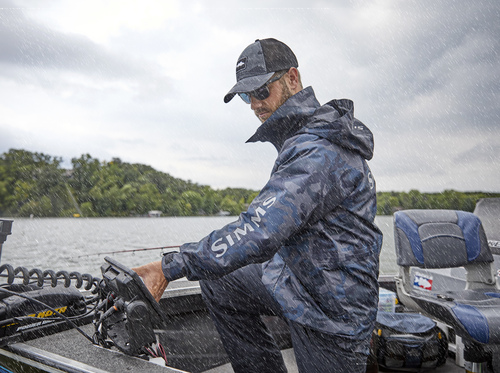
Fishing equipment needs to be as rugged as the environments we fish in. A durable and waterproof fish finder is non-negotiable. Look for devices rated at least IPX7, meaning they can withstand incidental exposure to water of up to 1 meter for up to 30 minutes. However, durability goes beyond just waterproofing; it encompasses build quality to withstand vibrations, drops, and the corrosive nature of saltwater. A robust fish finder ensures that you can focus on fishing, not on protecting your gear from the elements.
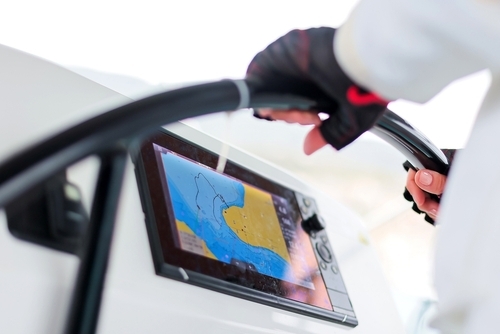
Connectivity in a fish finder offers a bridge between traditional angling and the digital age. With features like Wi-Fi or Bluetooth, your device can sync with smartphone apps to access a wealth of additional features. From downloading the latest bathymetric maps to sharing waypoints with fellow anglers, connectivity expands the capabilities of your fish finder. Mobile integration can also simplify updating device software, ensuring your fish finder is always operating with the latest improvements and features. This seamless integration enhances your fishing experience, making it more productive and enjoyable.
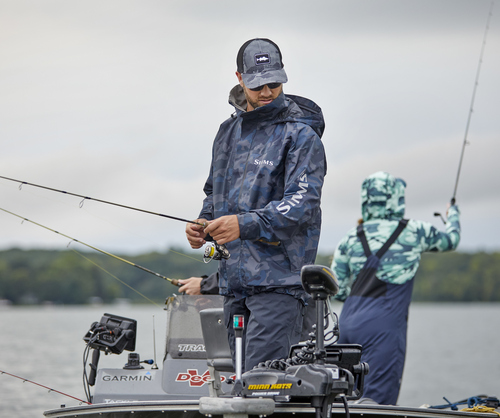
In the realm of fish finders, power isn't just an afterthoughtit's the fuel that drives the entire system. The power of a fish finder is measured in Watts (W) RMS (Root Mean Square), and it's a crucial factor that directly influences the device's performance, especially when combined with advanced features like real-time sonar, high-definition displays, and sophisticated transducers. Understanding the role of power in optimizing the functionality of your fish finder will ensure you select a device that meets your needs, whether you're navigating the shallows or exploring the depths.
Can I use my fish finder in both freshwater and saltwater?
Yes, most modern fish finders are versatile enough to be used in both freshwater and saltwater environments. However, saltwater typically requires greater depth penetration, so consider a fish finder with high power output and a low-frequency transducer for ocean fishing.
The power rating is crucial because it determines the depth penetration and clarity of the sonar. Higher power ratings (measured in RMS Watts) allow for better performance in deeper water and faster data processing, essential for detailed imaging and real-time sonar.
Absolutely. A high-definition screen enhances your ability to discern fine details and make accurate interpretations of the sonar data, especially when using real-time sonar or live mapping features. It ensures clear visibility under various lighting conditions, improving your fishing experience.
Yes, the size of the screen can significantly affect your ability to read and interpret the data. Larger screens provide more room for detailed images and can display more information simultaneously, making them ideal for advanced features like chart plotting and live sonar. However, the best size for you also depends on the available space on your boat and your personal preference.
In many cases, yes. Upgrading your transducer can improve the depth capability, detail, and overall performance of your fish finder. Check with the manufacturer or consult your fish finder's manual to ensure compatibility and understand the potential benefits of an upgrade.
Look for fish finders with high waterproof ratings (e.g., IPX7) and rugged construction. If you're fishing in harsh conditions or saltwater, consider models designed specifically for those environments, with corrosion-resistant materials.
While not strictly necessary, live mapping is a powerful tool that can enhance your fishing success. It allows you to create detailed maps of uncharted waters in real-time, identifying potential hotspots and underwater structures that are likely to attract fish.
Many modern fish finders offer Wi-Fi or Bluetooth connectivity, allowing them to interface with smartphones or tablets. This can enable additional features like remote viewing, map downloading, and data sharing. Check the specifications of your fish finder for connectivity options.
Real-time sonar offers a live view of fish movements and reactions, allowing you to adjust your tactics on the fly. It's particularly useful for targeting specific species or experimenting with lures and baits, providing instant feedback on what works and what doesn't.
Each of these features plays a pivotal role in not just finding fish but enhancing your entire fishing experience. By understanding and prioritizing these features in your next fish finder, you're investing in more successful, enjoyable, and productive fishing adventures. The key is to figure out which of these features are essential and which are just nice to have for your fishing needs. Once you have that figured out, you can get the most bang for your buck. Tight lines!