Best Fishing Rods for Beginners: Your Ultimate Guide to Starting Strong
We cover the best fishing rods for beginners and answer all the most frequently asked questions.
March 04, 2024



BIG SAVINGS
+EVERYTHING SHIPS FREE
Learn More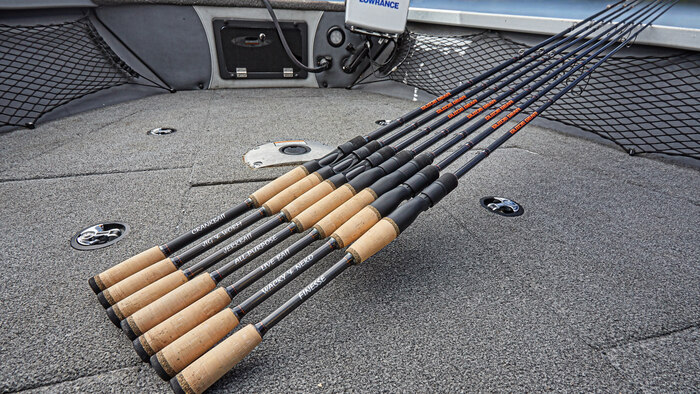
Getting into fishing doesn't need to be complicated. Beginners often have questions about whatlures and baitto use to catch certain species of fish. Our advice? Start with the basics, Start with finding the right fishing rod.
With the right fishing rod in your hand you'll find it much easier to first learn the basics of fishing, then further develop your skills, before finally becoming experienced in the sport. Your first fishing rod should be easy to use, versatile, durable, all while fitting within a reasonable budget.
Before we get too far - let's take a step back and cover the basic types, action, power, and materials of fishing rods.
Types of Fishing Rods
Rod Action and Power
Rod Materials
Factors to Consider When Choosing a Rod for Starters
Selecting the right fishing rod goes beyond just picking a model from a list. Here are some critical factors beginners should consider ensuring they choose a rod that suits their needs and enhances their learning experience.
Length
Handle Material and Design
Price vs. Quality
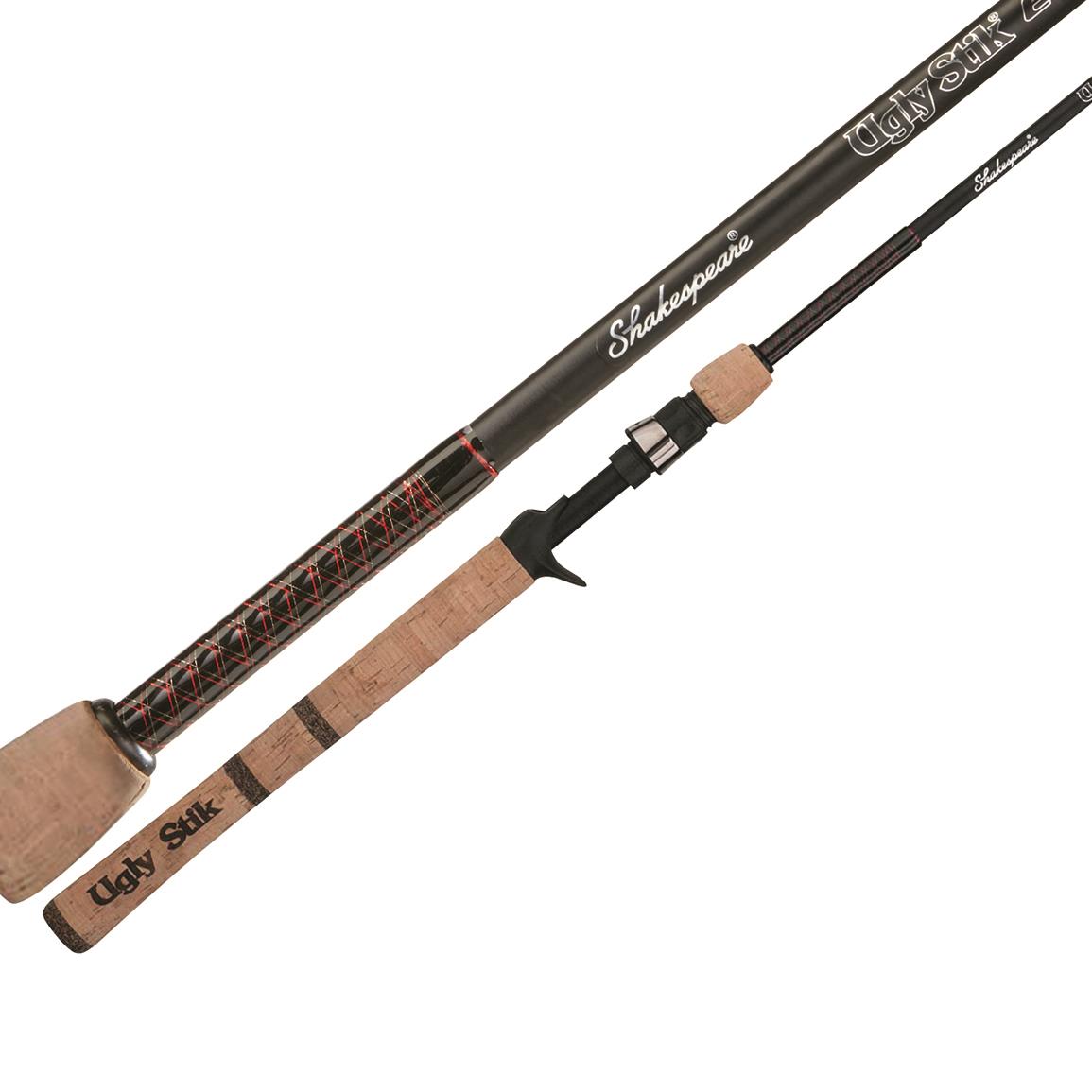
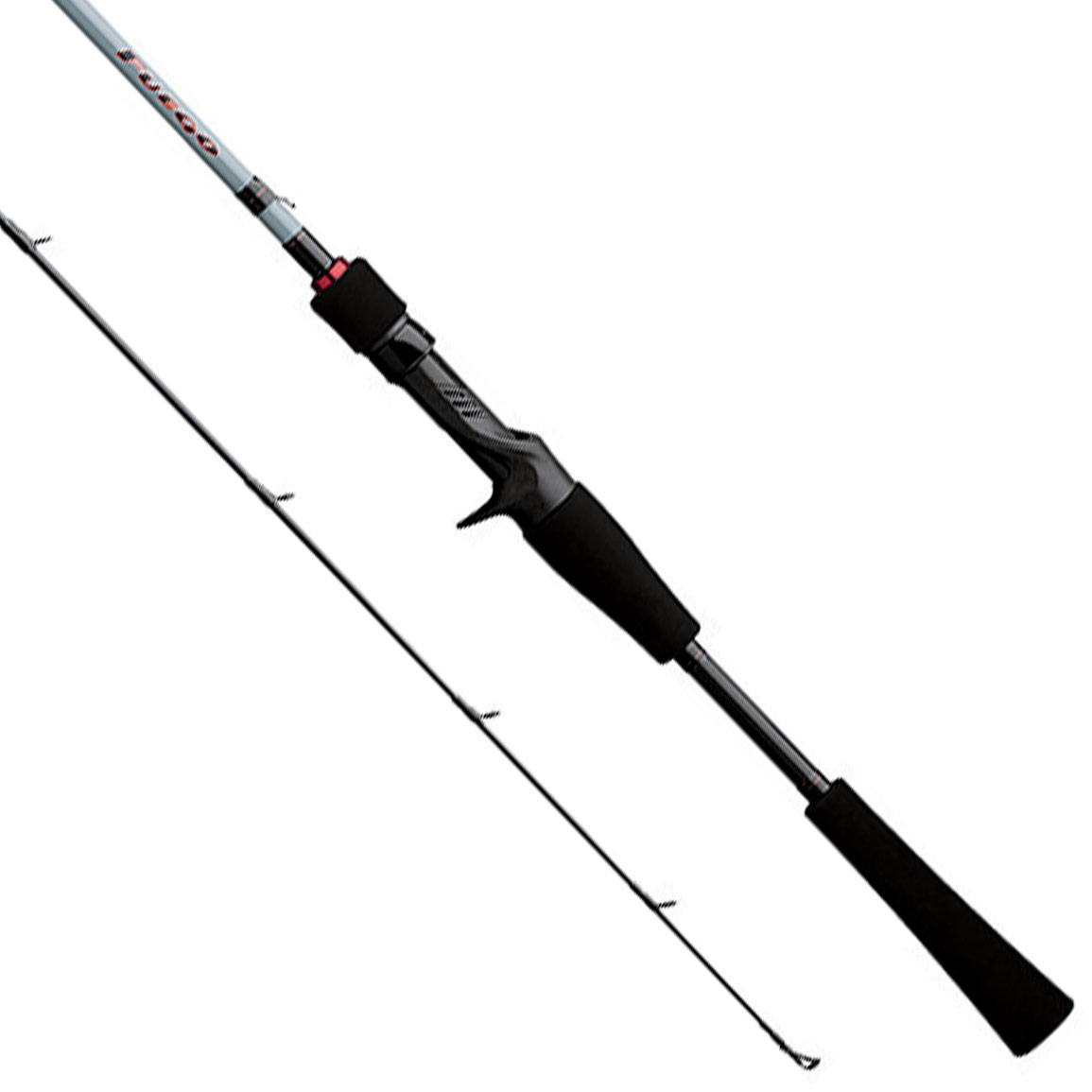
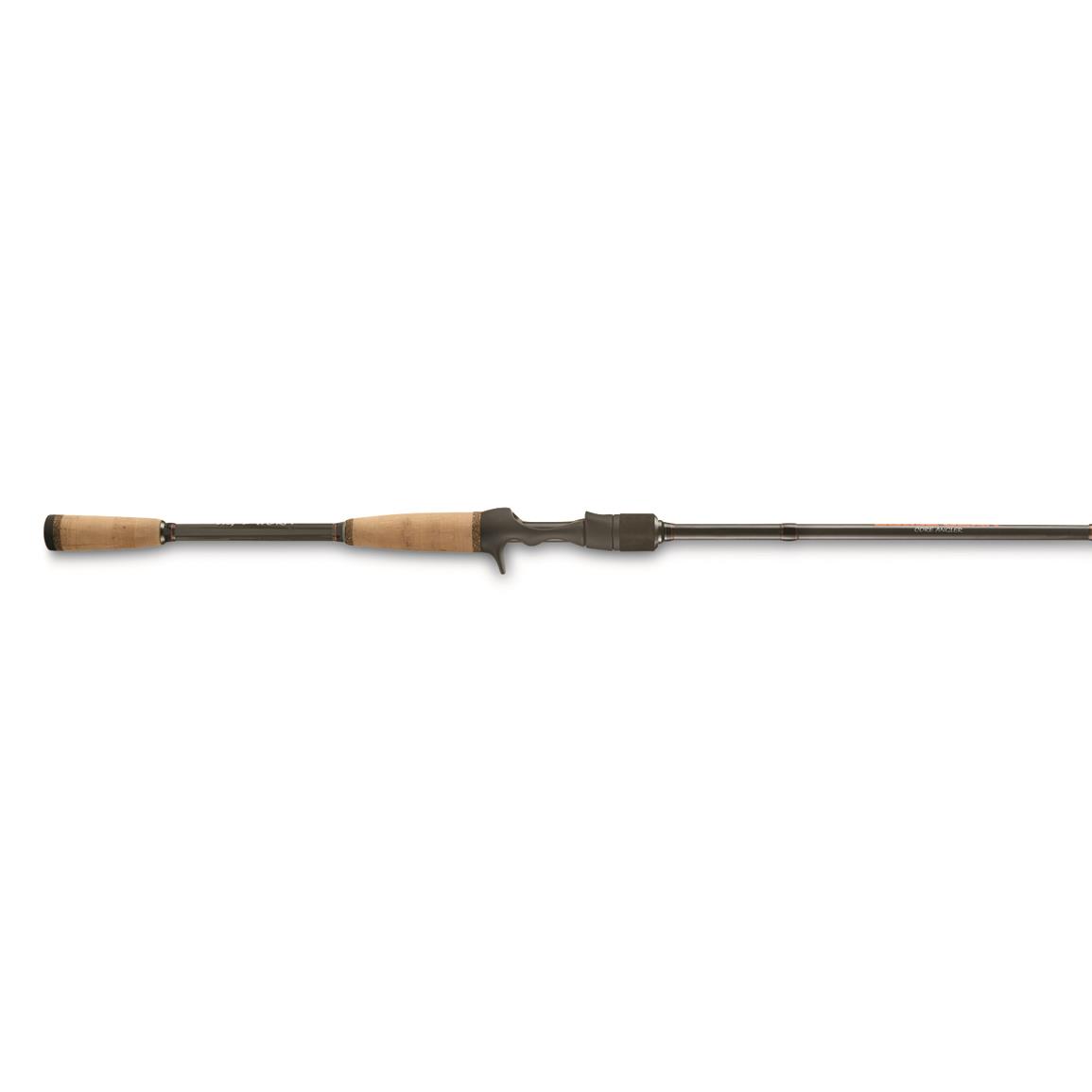
When selecting the best fishing rods to start your journey, we've considered key criteria such as affordability, durability, versatility, and ease of use. Here, we present a curated list of the top 5 fishing rods that meet these criteria, offering a great start for any angler.
Our selection is based on comprehensive research and feedback from anglers, fishing instructors, and product reviews. The criteria include:

FAQ: Fishing Rod Frequently Asked Questions
Q1: Can I use the same rod for freshwater and saltwater fishing?
Q2: How do I know which rod action to choose as a beginner?
Q3: What is the difference between rod power and rod action?
Q4: Should beginners start with a spinning rod or a casting rod?
Q5: How important is the material of the fishing rod for beginners?
Q6: How much should I expect to spend on a good beginner fishing rod?
Q7: Can the length of the fishing rod affect my casting distance?
Q8: How do I maintain my fishing rod?
Q9: Is it better to buy a rod and reel combo or purchase them separately?
Q10: What should I do if my rod breaks?
Conclusion
Choosing the right fishing rod as a beginner is a crucial step in starting your angling journey on the right note. By understanding the basics of rod types, materials, action, and power, and considering factors such as length, weight, handle design, and price, beginners can select a rod that offers the best combination of ease of use, durability, and versatility. Remember, the goal is to find a rod that not only fits your initial needs but also supports your growth as an angler. Happy fishing!
We have fishing rods for beginners, professionals, and everyone in between. Shop Our wide array of freshwater and saltwater fishing rods