Things We Do To Weaken The Wobble Of A Crankbait
Common mistakes to avoid when fishing using a crankbait.
Jim Moynagh September 27, 2023



BIG SAVINGS
+EVERYTHING SHIPS FREE
Learn More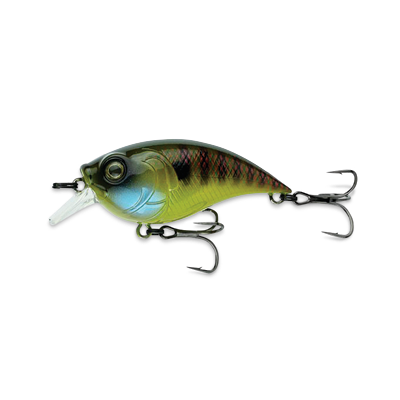
Do you want to be a better fisherman with crankbaits?
Awareness of a specific wobble that triggers strikes is part of catching more bass with them. And when we discover that wobble, we sure don't want to mess it up!
So, avoid the mistakes I've listed below that deaden a crankbait's wobble.
Some crankbaits have a wide, rolling wobble while some have a tighter, straighter wobble. Whichever the case, action can be robbed by these mistakes below. Keep in mind as you read - smaller crankbaits are more sensitive to adjustments as compared to larger crankbaits.
1) Improper attachment to your line. Tie your line to the lure's split-ring (most will be fitted with one). This allows for maximum movement and wobble of the crankbait. Do not add additional hardware like wire leaders and snaps. The added weight and bulk of extra hardware adds resistance to the wobble. If you find a crankbait without a split-ring or need to remove a rusty one, then a snap is acceptable if a replacement split-ring isn't handy. And don't use too big of a replacement split-ring or snap either. Some crankbaits have really small wire loops to hold the split-rings, so using one too big will actually cause it to bind in the loop, entirely messing up the action and wobble. The split-ring or snap needs to be absolutely free-swinging, no binding. One last thing to note on attachment -- tie your line to the split-ring such that it is not attached at the actual split. This is not a clean place for the knot to be cinched, which can result in a weak knot or a poorly wobbling bait. Also make sure the split in the split-ring doesn't rub against the wire attachment loop on the bait. This can mess with the action too. I prefer the split to be halfway between the knot and the bait's wire loop.
2) Improper replacement hooks. Sometimes we need to replace the hooks on a crankbait, because some brands are sold with inferior hooks (probably because they were a cheap cost), or sometimes hooks simply get rusty. Be aware that changing to a different size treble hook may affect the wobble, sometimes you can get away with it and actually improve hookups with a larger treble, but sometimes action/wobble is sacrificed. So be aware of the lure's original hooks, noting what size they are and what gauge the wire is. If I can go up one size without affecting wobble, then I will, but otherwise I try to match the weight of my replacement hooks to that of the original. Final note, the split-rings holding the hooks may need replacing due to rust. Make sure the replacements swing freely like the originals and be aware or any weight differences if a different size is used.
3) Improper fishing line. This is a lesser problem unless taken to the extremes. The type of line isn't so much the issue, crankbaits can be fished on monofilament, fluorocarbon, or braid. Specifically, if too heavy of a line is mismatched to a smaller crankbait, action/wobble will be impacted negatively. The thickness of the heavy line will resist the wobble due to too much water drag. A small crankbait loses this fight and the wobble is toned down. The bait may not even run straight.
4) Improper weighting. Sometimes anglers will add weight to a crankbait to make it suspend. This is done by either wrapping lead wire around a treble or by drilling a hole in the bait and inserting weight. Either method will affect the wobble to some degree, but adding the weight to a hook probably the most. So, if you attempt to add weight, be aware that the bait may not have quite the same wobble/action.
5) Adding feathers. Creativity is often rewarded in fishing. Many topwater plugs have a rear treble hook with feathers. Therefore, an angler may get the idea to add a feathered treble hook to the back hook-hanger of a crankbait. This usually isn't a good idea because the added water resistance caused by the feather will surprisingly tone down a crankbait's wobble. Just think back to how a tiny weed clinging to the back treble completely changed everything. A feather does the same, that is why you don't see tackle manufacturers add feathers to their crankbaits.
Awareness of what a lure is doing makes for a fisherman who catches more fish. Expert crankbait fishermen know their wobbles! They also know how it can be messed up and understand how any adjustments they make will affect the wobble of their crankbaits.
At Sportsman's Guide, we love to fish. Trust us for all your Fishing Gear, including Fishing Rods, Fishing Reels, Fishing Lures and more.