The Ultimate Guide to Choosing Your First Hunting Rifle
Choosing your first rifle can be an intimidating task. Here is a guide that will help you make the best choice for your next hunt.
May 10, 2024



BIG SAVINGS
+EVERYTHING SHIPS FREE
Learn More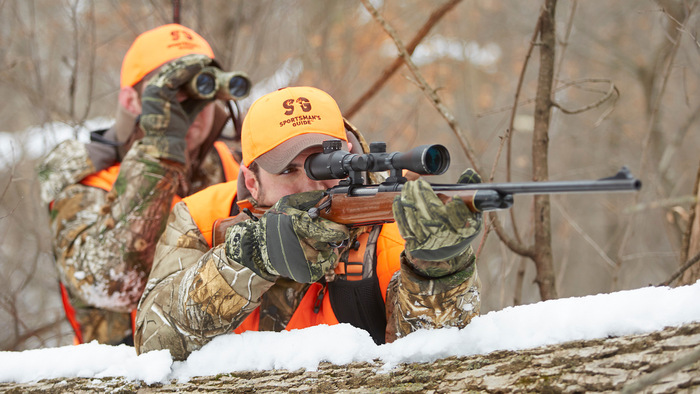
So, you're ready to pick up your first hunting rifle? Congratulations! It's a thrilling step into a world where outdoor adventures and skillful marksmanship meet. But it's also a bit intimidating. The variety of hunting rifles available today can feel overwhelming, each promising the best performance, accuracy, or price. But don't worry! This ultimate guide will walk you through the essentials of finding the right rifle that aligns perfectly with your hunting goals, skills, and personal preferences.
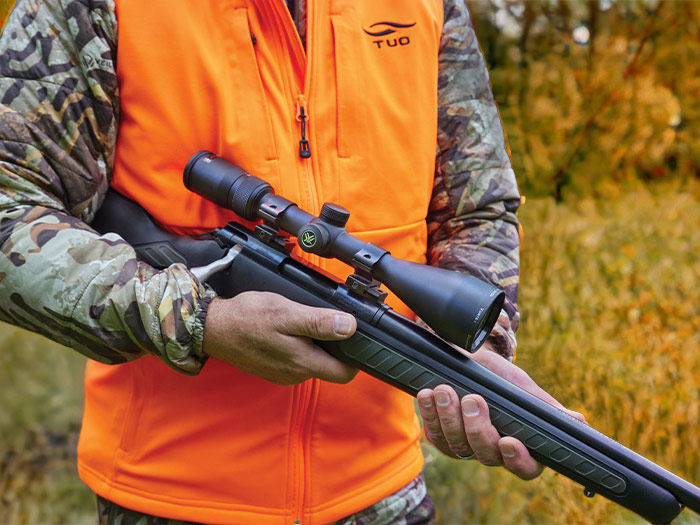
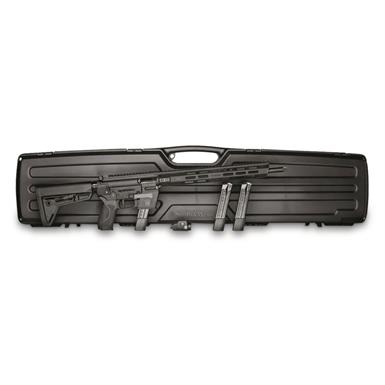
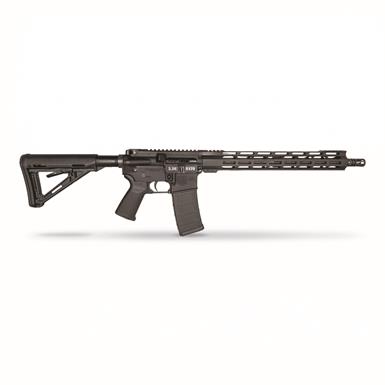
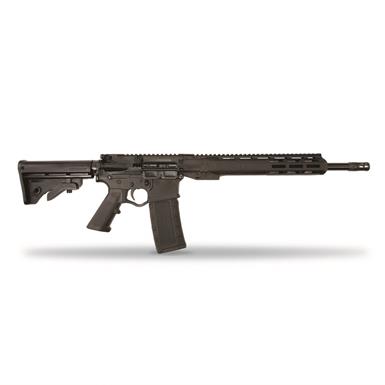
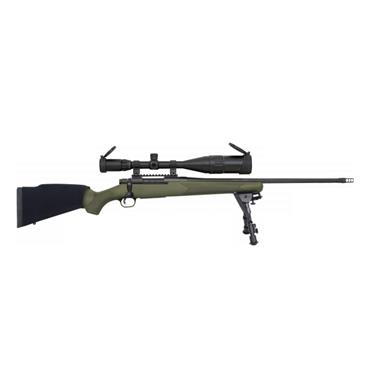
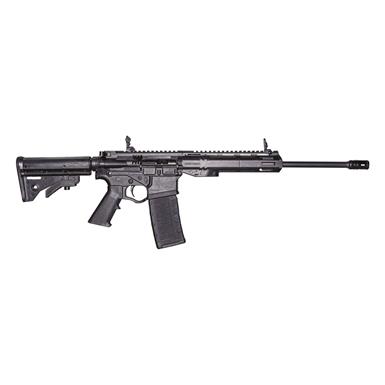
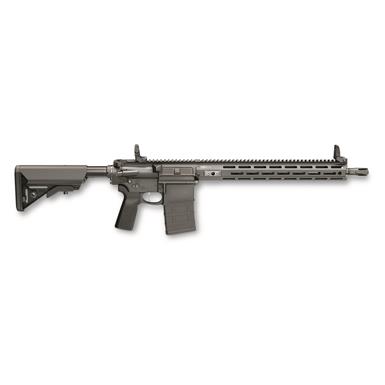
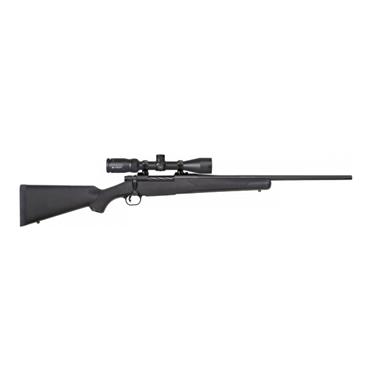
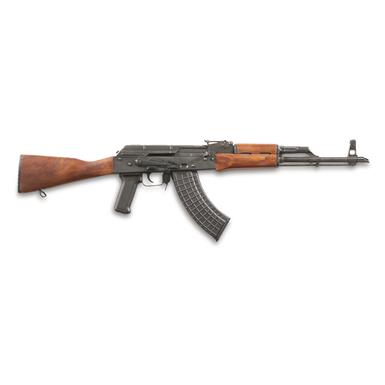
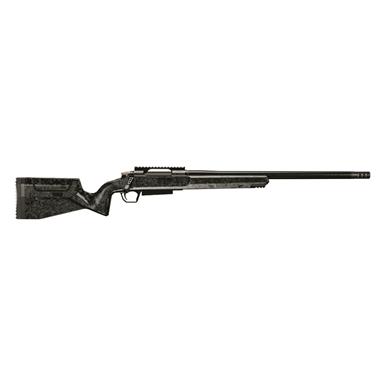
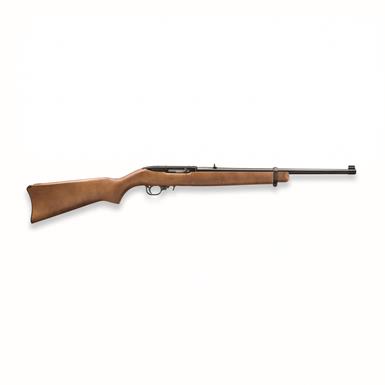
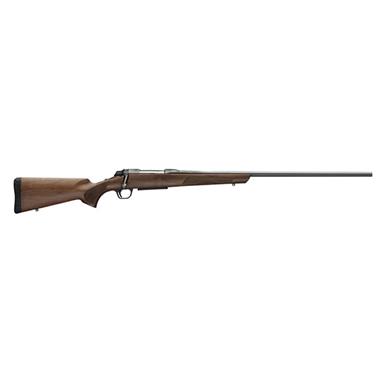
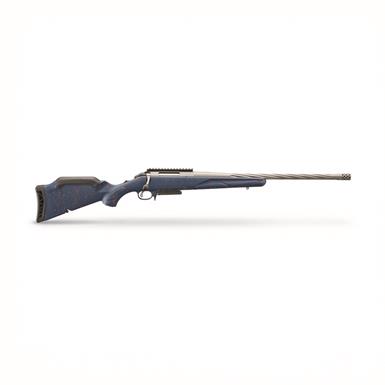
A hunting rifle isn't just a toolit's your hunting partner. It's crucial to familiarize yourself with the four primary types of rifles:
Choosing the right caliber is one of the most critical decisions when selecting your first rifle. Caliber determines the size and speed of the bullet, directly impacting the type of game you can hunt and at what range. Here's a quick breakdown of common calibers:
The length of a hunting rifle's barrel significantly impacts its handling, accuracy, and overall performance. Understanding how barrel length influences these factors is crucial for selecting the right rifle for your hunting needs.
First, consider ballistics and accuracy. A longer barrel allows the bullet to gain more speed due to the extended combustion period inside the barrel, leading to a higher muzzle velocity and flatter trajectory. This results in better accuracy at longer distances, making barrels of 22 inches or more ideal for hunting in open fields where long-range shots are common. Additionally, a longer barrel provides a more stable platform for the bullet, reducing deviations and ensuring tighter shot groupings. Precision shooters often opt for barrels between 24 and 26 inches to minimize shot dispersion.
When it comes to maneuverability and handling, shorter barrels of less than 20 inches are more compact and portable, making them suitable for hunters who navigate dense brush, forests, or rugged terrains. The reduced weight of a shorter barrel also makes the rifle lighter overall, decreasing fatigue and allowing for quick aiming when needed.
Barrel length also plays a role in managing recoil and reducing noise. The additional weight of a longer barrel can lessen the shock felt when firing larger calibers, while the longer length also reduces the noise and muzzle flash, particularly with powerful calibers. Conversely, shorter barrels create a more intense blast due to the rapid release of gas.
Weight is a key consideration when choosing your first hunting rifle, influencing how well you handle the rifle, maintain stability during shots, and carry it over long distances. Striking the right balance between weight and portability is crucial to a successful and enjoyable hunting experience.
Lightweight rifles, generally considered to be under 8 pounds, offer significant advantages in terms of portability. They are ideal for hunters who traverse difficult terrain, such as steep mountainsides, dense forests, or long, winding trails. Their reduced weight makes them less cumbersome when trekking for hours in pursuit of game. However, this ease of carrying comes with trade-offs. Lightweight rifles tend to produce more felt recoil, especially in higher calibers, which can be uncomfortable and affect accuracy. Moreover, they can be less stable when shooting, particularly in standing positions where the shooter's grip is not well-supported.
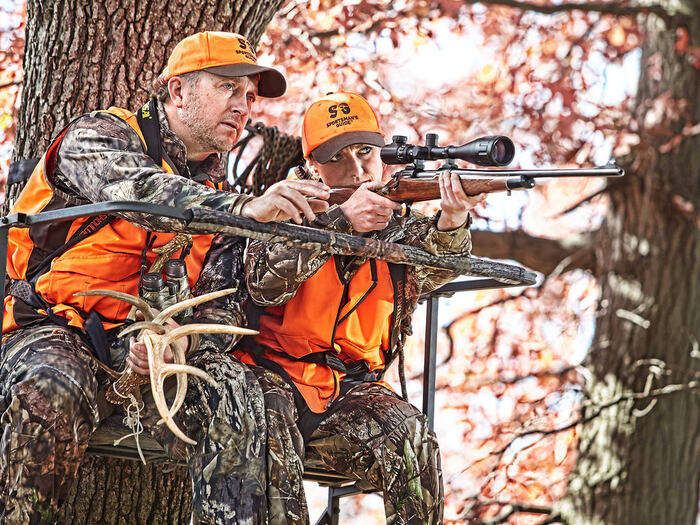
Heavier rifles, often ranging from 8 to 12 pounds or more, are advantageous when stability and control are paramount. The additional weight helps dampen recoil, providing a more comfortable shooting experience and enabling better follow-up shots. Heavier rifles also tend to have longer barrels, further enhancing their accuracy over long distances. However, these rifles can be cumbersome to carry on long hunts, potentially causing fatigue. This makes them more suitable for stationary hunting scenarios where the shooter isn't required to travel far, such as hunting from a blind or a treestand.
Choosing the right rifle weight also depends on the hunting environment and the type of game being pursued. For hunters who spend their time chasing deer or elk in rugged mountain ranges, a lightweight rifle with a strong recoil pad could be the best bet. In contrast, varmint hunters who remain in one location may prefer the stability of a heavier rifle that minimizes recoil.
Modern rifle designs increasingly offer innovative materials that help balance these needs. Composite stocks and lightweight metals like aluminum allow manufacturers to produce rifles that are both strong and lightweight. Additionally, some rifles come with modular components, enabling hunters to customize their setup to achieve an optimal weight.
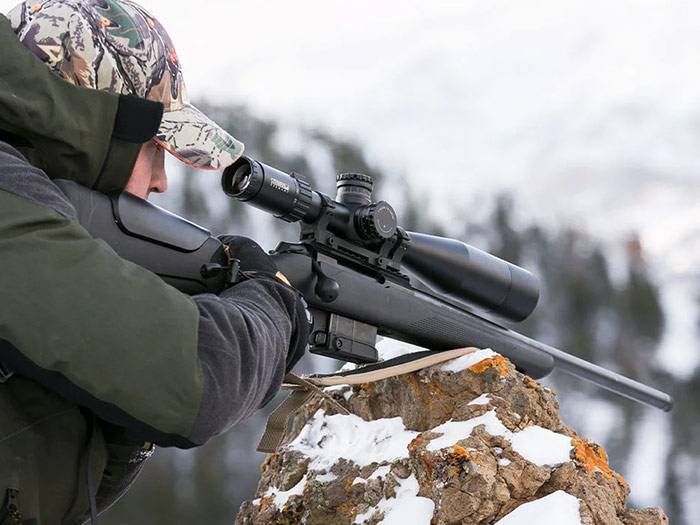
Recoil is one of the most important aspects to consider when selecting your first hunting rifle because it directly affects your shooting comfort and accuracy. Managing recoil well not only reduces shooter fatigue but also increases your confidence and precision with every shot.
Recoil, or "kick," is the backward thrust a shooter feels when a bullet is fired. It results from the explosive force generated as the cartridge is ignited. Different factors influence the recoil of a rifle, such as the rifle's weight, the caliber of the cartridge, and the type of ammunition used. Larger calibers typically produce greater recoil because they generate more energy, which can overwhelm a beginner shooter if not properly managed.
One effective way to handle recoil is by using a muzzle brake. This accessory attaches to the muzzle of the rifle and directs some of the escaping gases sideways, reducing the amount of backward energy that the shooter experiences. While muzzle brakes are very effective in reducing recoil, they can increase the noise level significantly due to the sideways gas release.
Recoil pads are another common solution. They are cushioned pads mounted on the buttstock, designed to absorb and distribute the shock over a larger surface area. Pads can be made from various materials, such as rubber, gel, or foam, and their thickness can be adjusted according to personal preference. These pads are particularly helpful for hunters who spend long periods at the range practicing or who shoot high-powered cartridges.
The weight of the rifle itself plays a significant role in recoil management. Heavier rifles naturally absorb more recoil due to their mass. However, they can be challenging to carry over long distances, especially for beginners who are still developing their stamina. Therefore, it's crucial to strike a balance between the rifle's weight and your physical capabilities.
Shooting technique is also vital in managing recoil. Proper stance and grip can significantly reduce the impact felt during firing. A firm grip on the rifle and leaning slightly into the shot with your bodyweight helps absorb the recoil. Moreover, placing the buttstock snugly against the shoulder minimizes unwanted movement and maximizes control.
Lastly, choosing the appropriate caliber and ammunition is key for those who want to maintain shooting accuracy while minimizing recoil. Lighter calibers, such as the .223 Remington, have a gentler recoil than larger calibers like the .300 Win Mag. For beginners or those sensitive to recoil, smaller calibers provide a more comfortable experience without sacrificing hunting capability.
Before making the significant investment in your first hunting rifle, it's crucial to carefully weigh various factors to ensure you select a firearm that best suits your needs. Here are some final considerations to keep in mind as you finalize your choice.
1. Fit and Ergonomics
The rifle should feel like a natural extension of your body, with proper balance and weight distribution that allow for quick and accurate aiming. A poorly fitting rifle will hinder your performance, causing discomfort and reducing your shooting accuracy. Pay attention to the length of pull, the distance between the trigger and the buttstock. The comb height should align your eye perfectly with the sights or optics. Ensure that the grip and fore-end feel comfortable and provide a firm hold.
2. Reliability and Reputation
A hunting rifle should be reliable in various conditions. Look for a brand or model with a strong reputation for durability and consistent performance. It's beneficial to read reviews and seek advice from experienced hunters who have used the rifle in real-world conditions.
3. Spare Parts and Support
The availability of spare parts and aftermarket accessories can significantly extend the rifle's life and versatility. Rifles that are easy to service and have a large selection of compatible accessories allow you to customize and repair them over time.
4. Rifle Action and Ammunition Compatibility
The rifle's action type should match your preferred hunting style and the game you're targeting. Whether you opt for bolt-action, lever-action, or semi-automatic, ensure that it aligns with your shooting skills and environment. Also, consider ammunition availability. Some calibers can be hard to find or expensive. Stick with common calibers if you plan on hunting in remote areas where you might need to source additional ammo.
5. Safety Mechanisms
Your safety should always be a priority. Check for features like trigger safety, two or three-position safeties, and bolt-lock safety. Learn to use these mechanisms until operating them becomes second nature, reducing the risk of accidental discharge.
6. Practice and Training
No matter which rifle you choose, it's crucial to spend time practicing. Get familiar with loading, cycling the action, and adjusting sights or optics. Visit a shooting range to practice your stance, grip, and trigger control before heading out to hunt.
7. Legal and Ethical Considerations
Ensure that the rifle and caliber comply with your local hunting regulations. Different states or regions have specific requirements for permissible calibers, magazine capacities, and even actions. Be knowledgeable about the rules to avoid legal trouble. Additionally, ethical hunting practices should guide your selection, ensuring that your rifle has sufficient stopping power for a humane kill.
8. Budget and Total Cost
Remember that the rifle's sticker price is just part of the total investment. Factor in the cost of essential accessories like a quality scope, cases, ammunition, and cleaning supplies. Also, consider long-term costs like maintenance, potential repairs, and training sessions.
9. Hands-On Experience
If possible, try out different models in-store or at a range before making a purchase. Test the feel, weight, and recoil, and see how easily you can operate the action and safety mechanisms. Nothing beats first-hand experience.
Choosing your first hunting rifle is a pivotal moment that shapes your future hunting experiences. It's not just about picking a tool but selecting a trusted companion that complements your style and preferences. By understanding the fundamentals like barrel length, caliber selection, and weight, and diving deeper into considerations like ergonomics, reliability, and customization, you can confidently make a well-informed choice.
Recoil management and practice are crucial for shooting comfort and accuracy, while familiarization with safety mechanisms and legal regulations ensures a safe and ethical hunting experience. Remember that the rifle should align with your skill level, hunting style, and the game you intend to pursue.
Take your time in this journeytest different rifles, seek advice from seasoned hunters, and consider the total investment. The right rifle, paired with quality optics and accessories, will offer years of enjoyment, skill-building, and a rewarding connection with nature. Selecting wisely now will help create memorable hunting adventures for years to come.
Q. What is the best caliber for deer hunting?
Q. Should I buy a rifle or shotgun for my first hunting firearm?
Q. Can I legally hunt with a semi-automatic rifle?
Q. What kind of optics should I consider for my rifle?
Q. How often should I clean my hunting rifle?
Q. How much should I spend on my first rifle?