The Ultimate Guide to Buying Your First Handgun
Discover essential tips, expert advice, and recommendations for the best handgun for first-time owners.
February 20, 2024



BIG SAVINGS
+EVERYTHING SHIPS FREE
Learn More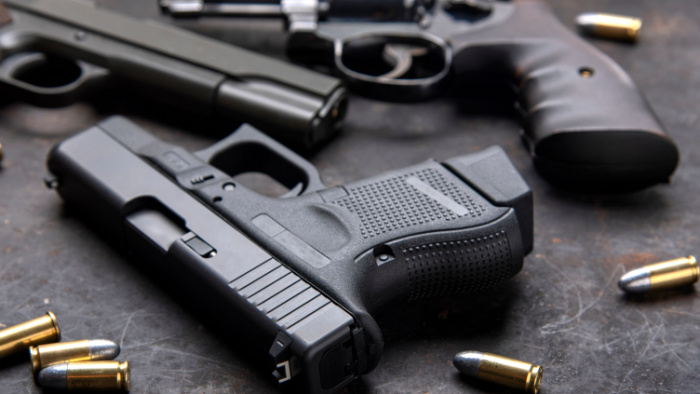
At Sportsman's Guide, we know that purchasing your first handgun can be an exhilarating yet daunting task. This guide aims to provide first-time buyers comprehensive insights into selecting a handgun that best suits their needs. While we hope this guide is helpful, nothing replaces real-world experience. We highly recommend using this guide as a starting point and then going out and testing different handguns at a range to get a feel for which is best for you.
Before we get into specifics, let's cover the basics of handguns. Handguns are a fundamental component of both personal defense and sport shooting. Understanding the basics of how they work, their different types, and safe handling practices is essential for anyone interested in firearms.
Handgun Types
Handguns come in various shapes and sizes, but they can broadly be classified into two main categories: revolvers and semi-automatic pistols. Each type has its unique mechanics, advantages, and preferred uses.
Key Components of a Handgun
To understand how a handgun operates, it's important to familiarize yourself with its essential components:
Safety Mechanisms
Handgun safety is paramount, and modern firearms come equipped with various safety features to prevent accidental discharge, including:
Now that we have covered the basics of handguns, here are some things to start thinking about to identify best which handgun is right for you.
While the best handgun for first-time owners varies based on individual preferences and needs, several models are renowned for their ease of use, reliability, and overall performance:
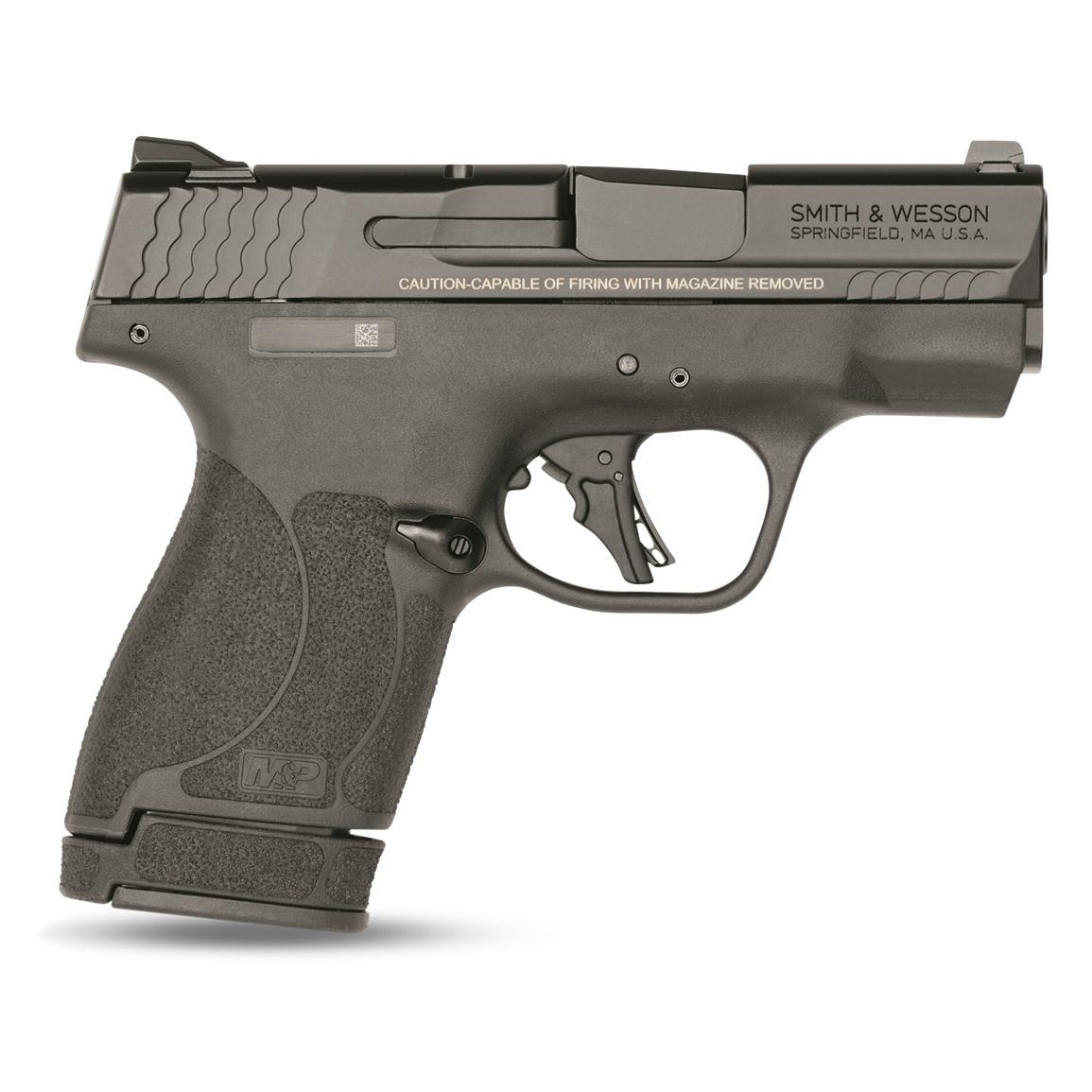
The Smith & Wesson M&P Shield is a popular choice for concealed carry, offering a slim profile, reliability, and ergonomic design.
Key Features
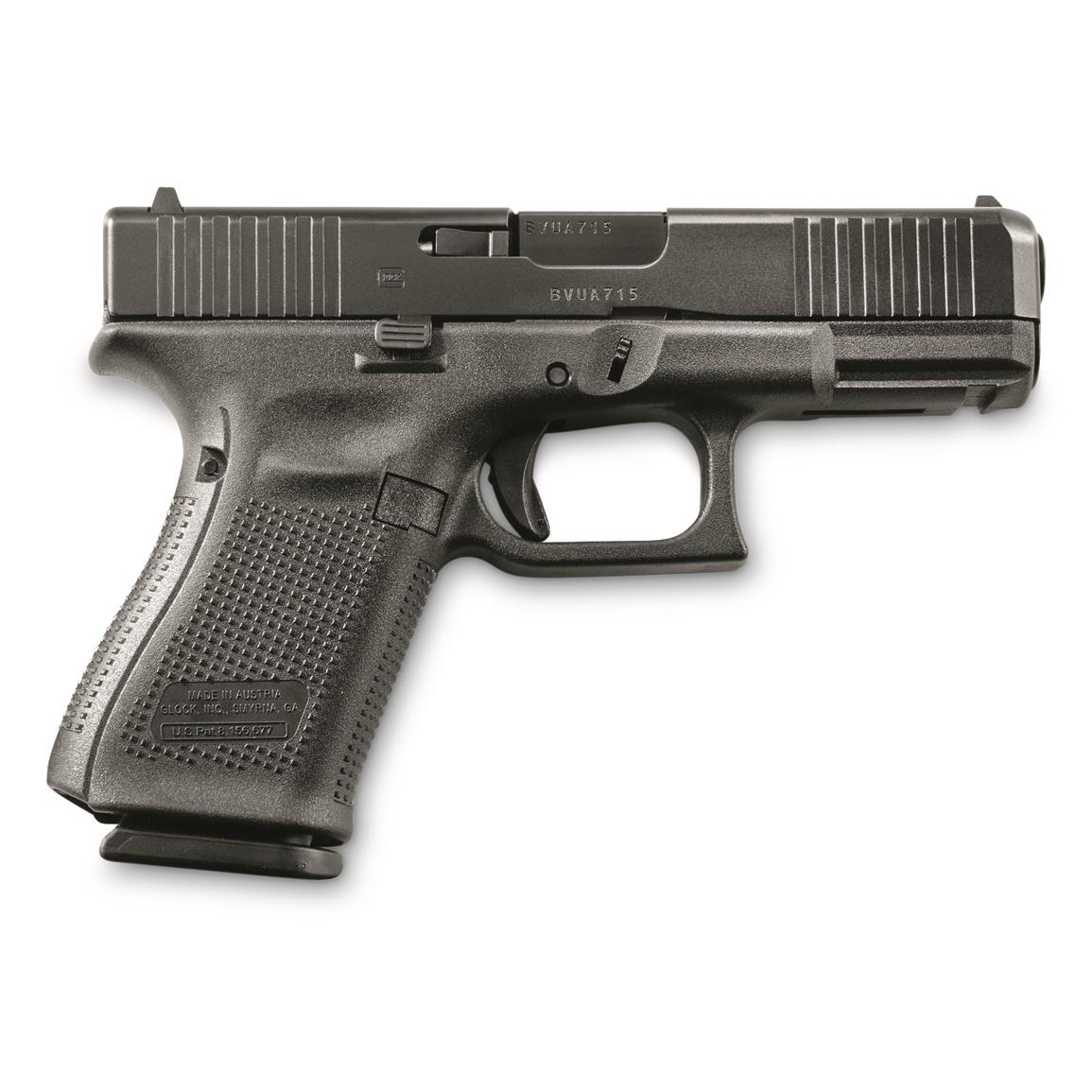
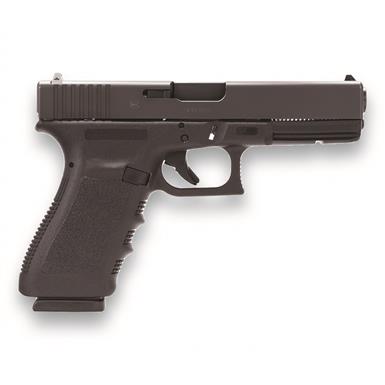
The Glock 19 and 19x are both highly recommended for its simplicity, durability, and versatility. Its compact size suits both home defense and concealed carry.
Key Features
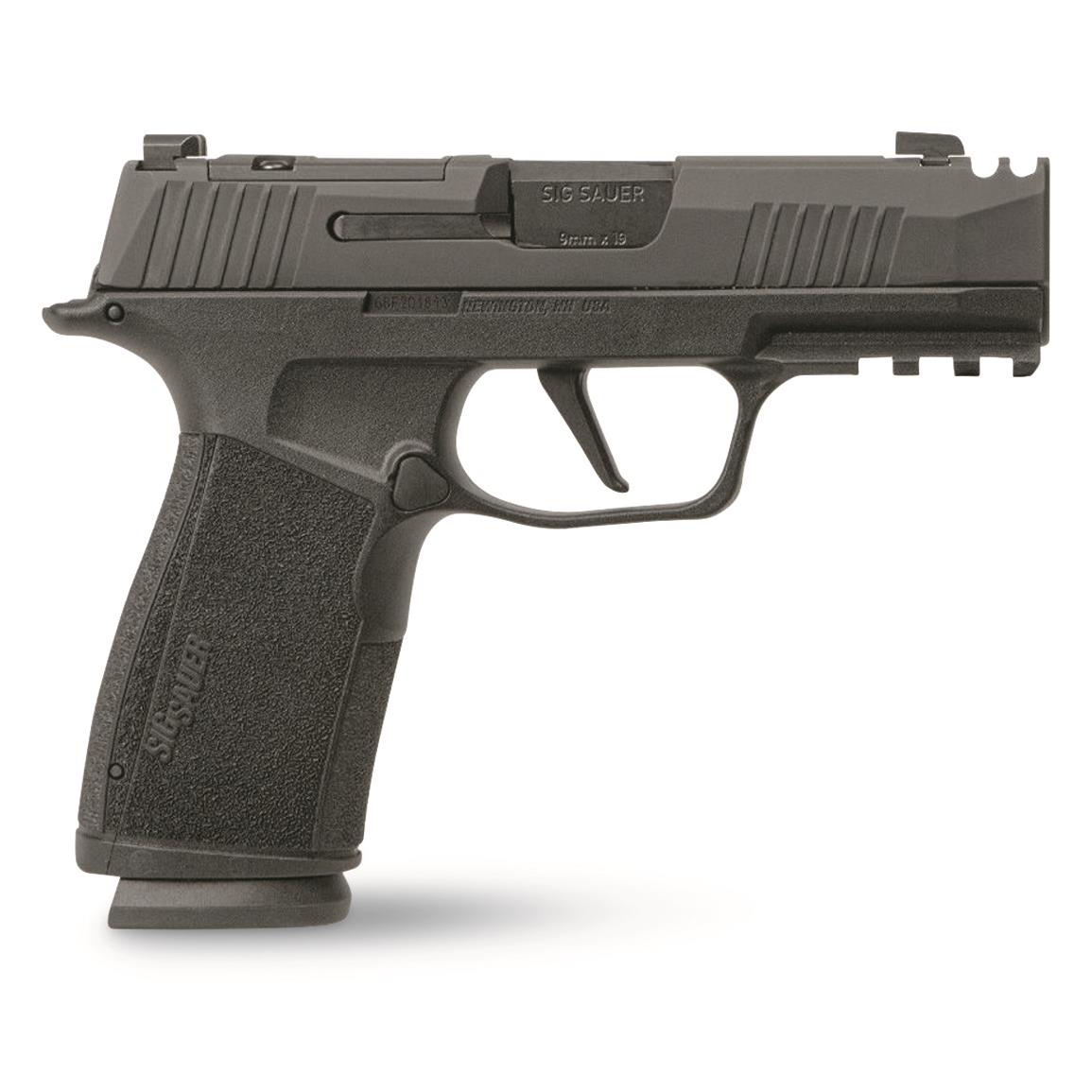
Known for its high capacity in a compact frame, the P365 is ideal for those prioritizing concealability without sacrificing firepower.
Key Features
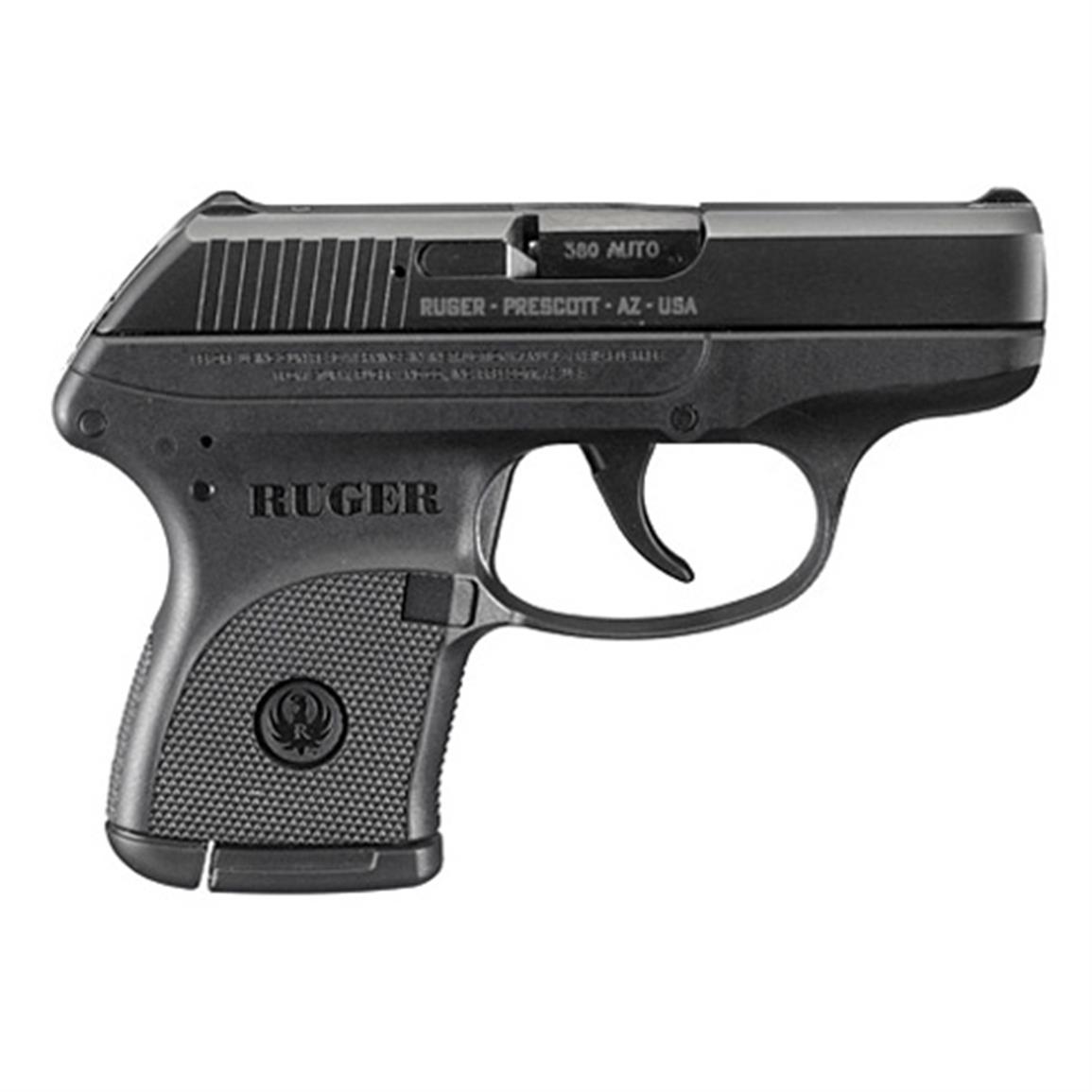
The LCP is compact, powerful and perfect for concealed carry. It is one of the lightest recoiling pistols on the market today making it perfect for first time handgun owners.
Key Features
Formal training and education is as crucial as selecting a suitable handgun. Understanding firearm safety, operation, and laws are foundational to responsible gun ownership. Look for certified training programs and practice regularly to build confidence and proficiency.
Every gun owner should adhere to the following basic safety principles:
Conclusion
Buying your first handgun is a significant milestone with the responsibility of making an informed decision. By considering the factors outlined in this guide and conducting thorough research, you can select a handgun that meets your needs and enhances your safety and shooting skills. Remember, the journey to becoming a proficient shooter begins with the first step of choosing the right handgun for you.
_ts.jpg)
_ts.jpg)
_ts.jpg)
_ts.jpg)
_ts.jpg)
_ts.jpg)