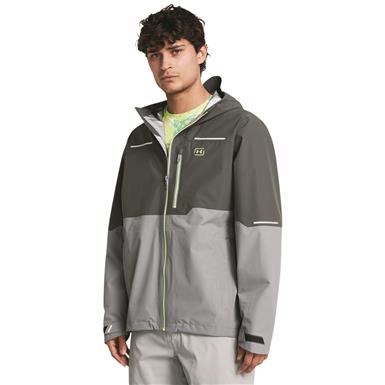
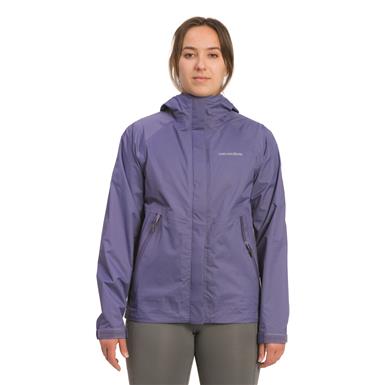
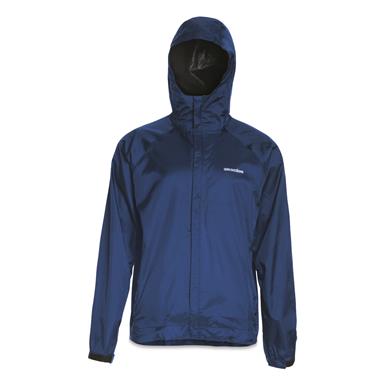
Stay Dry: Essential Features of Top-Notch Fishing Rain Gear
The top features your next fishing gear has to have to keep you dry and comfortable on the water.
April 09, 2024



BIG SAVINGS
+EVERYTHING SHIPS FREE
Learn More
As anglers, we often find ourselves at the mercy of Mother Nature. Yet, with the right rain gear, we can turn the tables, making the weather an afterthought rather than an obstacle. Let's wade through the essential features of top-tier fishing rain gear, ensuring you remain comfortable in any downpour.
When it comes to staying dry, not all gear is created equal. The distinction between waterproof and water-resistant is crucial. Let's dive in:
Understanding Waterproof Ratings: Waterproof ratings are your key to understanding how well a piece of gear will stand up to rain. These ratings are measured in millimeters (mm) and represent the amount of water pressure a fabric can withstand before leakage occurs. For fishing rain gear, you're looking at three main tiers:
Material Matters: The type of material and its construction play a pivotal role in waterproofing. Look for fabrics like Gore-Tex, H2No, or HyVent. These materials use advanced technology to create a breathable yet impermeable barrier against water. Their construction allows water vapor to escape from inside the garment (ensuring breathability) while preventing rain from penetrating, thanks to their microporous structure or a hydrophilic layer.
Taped Seams and Waterproof Zippers: The devil is in the details when it comes to waterproofing. Even with a waterproof fabric, water can sneak in through seams and zippers. Fully taped seams are a must, as this means every seam on the garment is sealed to prevent water ingress. Similarly, waterproof zippers do not just resist water but are designed to keep it out entirely. Look for phrases like YKK AquaGuard® zippers or storm flaps to identify gear that takes these vulnerabilities into account.
Durable Water Repellent (DWR) Finish: Most top-tier fishing rain gear will feature a Durable Water Repellent (DWR) coating. This treatment is applied to the outer layer of the fabric, causing water to bead up and roll off the surface rather than soaking in. While DWR does not make a fabric waterproof by itself, it significantly enhances the performance by preventing the outer layer from becoming saturated. Note that DWR coatings can wear off over time but can be reapplied to maintain water repellency.
Layered Construction: Many waterproof garments are described in terms of layers (2-layer, 2.5-layer, 3-layer). A 2-layer construction is typically found in more affordable gear, combining the waterproof membrane with an outer fabric but lacking a separate lining. 2.5-layer gear adds a protective print on the inside, reducing weight and increasing packability. 3-layer gear features an added layer for durability and comfort, providing the best protection and longevity but at a higher cost.
While staying dry from external moisture is crucial, managing internal moisture is equally important for comfort and performance. Breathability in fishing rain gear ensures that while water can't get in, sweat can get out, preventing you from becoming damp and chilled from your own exertion. Here's what every angler needs to understand about breathability to make an informed choice.
Breathability Ratings Explained: Similar to waterproof ratings, breathability is quantified, often measured in grams (g/m²) over a 24-hour period. This rating indicates how much moisture vapor (your sweat) can escape through a square meter of fabric in a day. For fishing gear, breathability ratings might range from:
The higher the number, the more breathable the fabric, but also, typically, the higher the price.
Fabric Technologies and Construction: High-tech fabrics like Gore-Tex, eVent, and others achieve breathability through a variety of methods. Gore-Tex, for instance, uses a microporous structure that's small enough to block liquid water but large enough to allow water vapor to pass through. eVent fabrics take a different approach, using a direct venting technology that allows moisture to escape directly without the need for the fabric to get wet first.
Venting Features: Besides the material itself, additional design features can enhance a garment's breathability. Look for:
The Balancing Act: It's important to understand that waterproofing and breathability are often a balance. The more waterproof a garment is, the less inherently breathable it might be, although advanced materials and construction techniques have gone a long way in bridging this gap. Your specific needs will depend on the type of fishing you do, the conditions you face, and how much activity you expect to undertake while wearing the gear.
The durability of your rain gear is not just a feature... it's a necessity. Understanding what makes gear durable can save you from unexpected breaches and the ensuing discomfort. Here's what you need to know to ensure your gear can withstand the rigors of angling.
Material Strength and Fabric Weave: Durability starts with the fabric itself. High-denier fabrics offer greater toughness and abrasion resistance. The term "denier" measures the thickness of the individual threads used in the fabric. Higher denier counts typically indicate a thicker, stronger fabric. Ripstop fabrics, characterized by a reinforcing technique that makes them resistant to tearing and ripping, are ideal for fishing environments where snags and tears are a common hazard.
Reinforced Stress Points: The best fishing rain gear will have reinforced patches at high-wear areas, such as the elbows, knees, and seat. These reinforcements help the garment withstand repetitive movements and contact with rough surfaces. Look for gear that mentions reinforcement in these critical areas, as it's a good indication that the manufacturer has designed the gear with durability in mind.
Quality of Construction: How a piece of gear is put together is as important as the materials it's made of. Double or triple-stitched seams, bar tacks at stress points, and welded seams are indicators of quality construction. These techniques add strength and longevity to the gear, ensuring it doesn't come apart at the seams when you're far from shelter.
For anglers, the ability to move freely is as vital as the lure at the end of their line. Whether you're casting, reeling in a catch, or navigating your way through rugged terrain, your rain gear should enhance your movement, not restrict it. Let's break down the components that contribute to superior mobility in fishing rain gear and ensure you can cast, climb, and conquer without constraint.
Articulated Design and Pre-shaped Sleeves: High-quality fishing rain gear often features an articulated design, meaning the gear is shaped to follow the natural movements of the human body. Pre-shaped sleeves and knees bend slightly even when the garment is not being worn, mirroring the arms' and legs' natural positions. This design reduces resistance and bunching of material when you move, making activities like casting or rowing more comfortable and efficient.
Stretch Fabrics: The integration of stretch fabrics into rain gear is a game-changer for mobility. Materials that incorporate elastane (spandex) offer an exceptional range of movement, allowing the fabric to expand and move with your body. Even a small percentage of stretch in a fabric can significantly improve how comfortably you can bend, stretch, and reach.
Adjustable Features for a Custom Fit: The best fishing rain gear comes with adjustable cuffs, hems, and hoods. These adjustments allow you to tailor the fit of your gear to your body, ensuring that it's snug where it needs to be, without being overly tight or restrictive. Adjustability is particularly important in rain gear, as it also helps seal out the elements, ensuring that water doesn't sneak in at your wrists or waist.
Lightweight Construction: Heavier garments can restrict movement simply by their weight, particularly when wet. Lightweight materials and construction techniques can significantly enhance mobility by reducing the overall burden you carry. This is especially important for anglers who spend long days on the water or need to trek to remote fishing spots. The lighter your gear, the less energy you'll expend moving around, and the more you can focus on the fishing itself.
Visibility in fishing rain gear isn't just about making a fashion statement; it's a critical safety feature, especially for anglers who find themselves in challenging conditions or sharing the waterways with boats and other watercraft. Enhanced visibility can mean the difference between a close call and a safe day on the water. Here's how to ensure you're seen, no matter the weather.
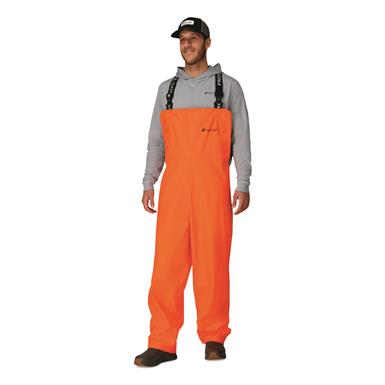
High-Visibility Colors: Bright colors such as neon yellow, orange, and green are not traditionally associated with the tranquility of fishing but play an essential role in safety. These colors are much easier to spot in low-light conditions, fog, and heavy rain, making you visible to other anglers, boaters, and rescue personnel from a distance. Selecting rain gear in these vibrant hues can significantly increase your visibility and safety.
Reflective Materials: Many high-quality pieces of fishing rain gear incorporate reflective strips, piping, or logos into the design. These reflective materials can catch and bounce back light from the sun or artificial sources, like boat headlights and flashlights, making you highly visible even in the darkest conditions. Look for gear with reflective accents positioned in high-motion areas like arms and legs, as the movement makes them even more noticeable.
Illumination for Night Fishing: For those who fish at dawn, dusk, or night, additional sources of light can enhance visibility and safety. Some fishing gear comes equipped with loops or attachments for securing small lights or glow sticks. Alternatively, anglers can customize their gear with clip-on LED lights or reflective tape to improve visibility during night fishing sessions.
Compatibility with Safety Equipment: Your fishing rain gear should not only be visible itself but also should not impede the visibility of any safety equipment you wear, such as life jackets or personal flotation devices (PFDs). Ensure that your rain gear works in tandem with these items, allowing for high-visibility features on PFDs to remain visible and accessible.
Choosing the right fishing rain gear isn't just about staying dry; it's about enhancing your fishing experience. Waterproofing, breathability, durability, mobility, practicality, visibility, and weight are the key features that set the best gear apart from the rest. Armed with this knowledge, you're ready to make an informed decision that will keep you fishing comfortably, no matter what the weather throws your way. So, don your perfect rain gear and let the fish know: it's going to take more than a little rain to keep you from reeling them in!
From new Electronics and Tackle, to tips from the pros, we've got everything you need to tip the scales in your favor.