Stay Afloat: Choosing the Right Life Jacket for Every Boater
A complete guide for choosing the best life jacket for your water activities.
April 15, 2024



BIG SAVINGS
+EVERYTHING SHIPS FREE
Learn More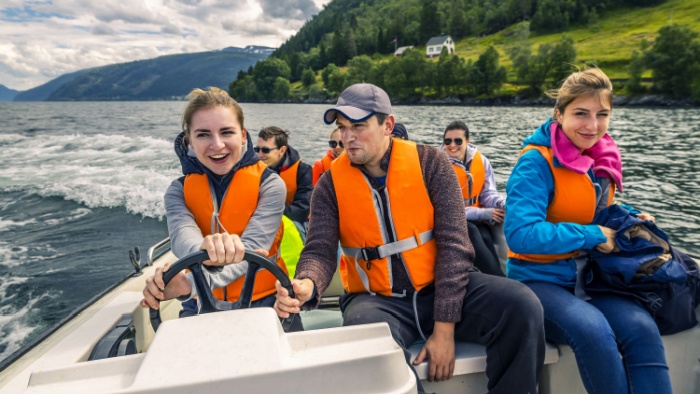
When it comes to boating, safety is paramount. Among the plethora of safety equipment, life jackets stand out as the most critical item for water safety. Selecting the right life jacket isn't just a matter of legal complianceit could be a life-saving decision. Whether you're a weekend sailor, a fishing enthusiast, or an adventurous kayaker, understanding which life jacket fits your needs is essential. This guide will help you navigate the waters of choosing the perfect life jacket, ensuring that you stay safe and compliant while enjoying your time on the water.
Life jackets, often referred to as personal flotation devices (PFDs), come in various types and sizes, each designed for different boating activities and water conditions. Here's a breakdown of the most common types:
Ideal for: Open, rough, or remote waters where rescue may be delayed.
Features: These life jackets offer the highest buoyancy and are designed to turn most unconscious wearers face-up in the water. They are bulkier than other types, providing substantial protection against drowning.
Ideal for: Calm, inland waters where there is a high chance of quick rescue.
Features: These vests can turn some unconscious wearers face-up in the water. They are less bulky than Type I, making them more comfortable for brief trips near shore.
Ideal for: Active water sports where immediate rescue is highly likely.
Features: These provide less buoyancy than Type I and II but are designed for general boating or specialized activities like water skiing, kayaking, or fishing, offering more comfort and freedom of movement.
Ideal for: All water environments as a backup to wearable life jackets.
Features: These include cushions and rings thrown to someone in trouble. They are not for unconscious persons, non-swimmers, or children.
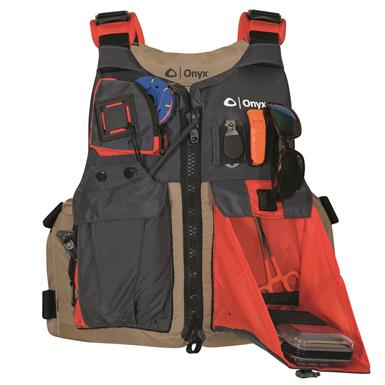
Ideal for: Specific activities that require special features, such as kayaking, windsurfing, or sailing with harnesses.
Features: These PFDs are tailored for particular uses and may include features like insulated protection for cold-water boating or integrated harnesses for sailboat racing.
Ideal for: Adults who expect to be in the water, but not for non-swimmers or rough water conditions.
Features:
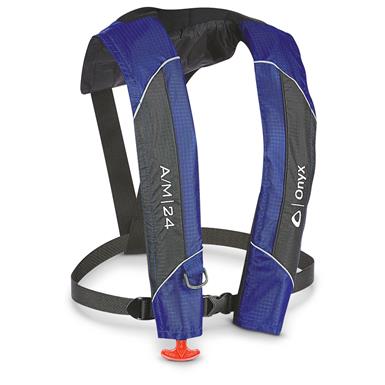
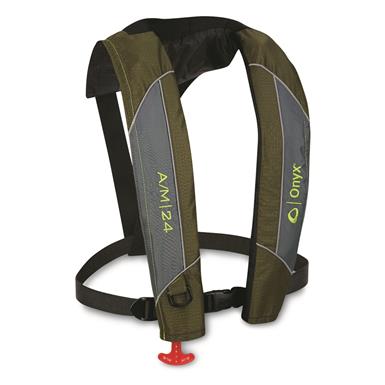
When it comes to selecting a life jacket, or personal flotation device (PFD), boaters have the option between traditional foam PFDs and inflatable PFDs. Each type has its specific uses, advantages, and drawbacks, depending on your boating activity, the water conditions, and personal comfort preferences. Understanding when to use an inflatable PFD versus a traditional one and the pros and cons of each can help you make the best choice for your safety on the water.
Inflatable PFDs are ideal for situations where comfort and mobility are key, such as during sailing, fishing, or cruising in calm, warm waters. They are especially favored by boaters who are unlikely to be thrown into water unexpectedly. Inflatables are generally designed for swimmers and should not be used by non-swimmers or children.
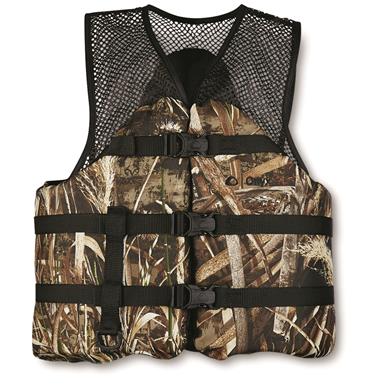
Traditional foam PFDs are the best choice for all-around safety in a variety of water conditions, particularly in rough waters, cold waters, or situations where there is a high chance of being thrown into the water unexpectedly. They are also suitable for non-swimmers and children.
Choosing between an inflatable PFD and a traditional foam PFD largely depends on your specific boating activities, the usual water conditions you encounter, your swimming ability, and personal comfort preferences. For activities that require more rigorous movement and flexibility, or in hot climates where comfort is a priority, an inflatable PFD might be the preferable option. However, for higher-risk environments or when boating with children or non-swimmers, a traditional foam PFD offers unbeatable immediate protection and reliability. Here are some examples:
Recommended PFD: Type I Offshore Life Jacket
Recommended PFD: Type I or Type II; Inflatable PFDs for experienced swimmers
Recommended PFD: Type II or Type III; Inflatable PFDs for comfort
Recommended PFD: Type III Foam PFD or Inflatable PFD
Recommended PFD: Type III or Type V Special Use PFD
Recommended PFD: Type III or Type V Special Use PFD
Recommended PFD: Type III or Inflatable PFD
Recommended PFD: Type II or Type III Foam PFD
Recommended PFD: Foam PFD (Type I, II, or III)
The proper fit of a life jacket is critical for ensuring it functions correctly in the event of an emergency.
Life jackets for adults are primarily sized based on chest measurements and body weight. Always try them on with the layers you typically wear while boating to ensure a snug fit that doesn't impede mobility.
Children's life jackets are categorized by weight and should fit snugly to prevent the jacket from slipping over the child's head when in the water. Regularly check the fit as children grow.
A simple test for a life jacket is to wear it, fasten it up, and lift your arms over your head. Another person should then pull up from the top of the arm openings. If there is excess room above the openings and the jacket rides up over your chin or face, it's too large.
The best life jacket for children is a Type II or Type III foam PFD. These are designed to fit snugly and provide sufficient buoyancy to turn the child face-up in the water. Always ensure the life jacket is appropriate for the child's weight and check that it cannot be pulled over their head when fastened.
Inflatable life jackets are best suited for adults in situations where comfort and freedom of movement are important, such as fishing or sailing in calm waters. They are not recommended for non-swimmers, rough waters, or for activities where high-impact with water is likely, such as jet skiing or white-water rafting.
Life jackets should be replaced if there are any signs of wear and tear, such as rips, tears, or if the buoyancy has been compromised. Additionally, it's important to check the manufacturer's recommendations and replace the life jacket at the suggested intervals, typically every 5-10 years depending on usage and maintenance.
Yes, in most jurisdictions, it is required by law to have a US Coast Guard-approved life jacket on board for every passenger, and children are generally required to wear life jackets at all times. Check local regulations as they can vary by state and the type of water body.
To ensure a life jacket fits properly, wear it and fasten it according to the instructions. Then, lift your arms above your head. The jacket should not ride up over your chin or face. For children, make sure the life jacket does not come off when lifting them by the shoulders of the jacket.
Type III life jackets are flotation aids suitable for general boating or specialized activities where quick rescue is expected. They offer more comfort and freedom of movement. Type V life jackets are special-use devices designed for specific activities like kayaking or windsurfing and often include features for those activities. Type V PFDs must be worn at all times to meet U.S. Coast Guard requirements for on-water safety.
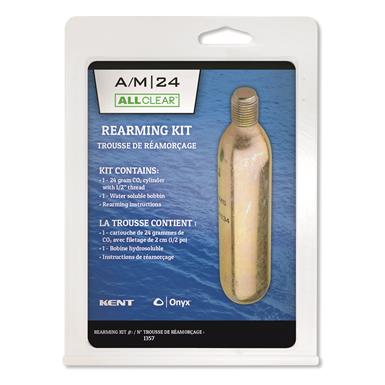
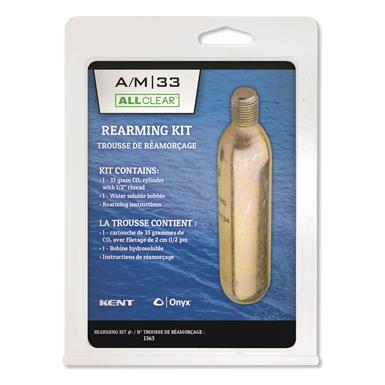
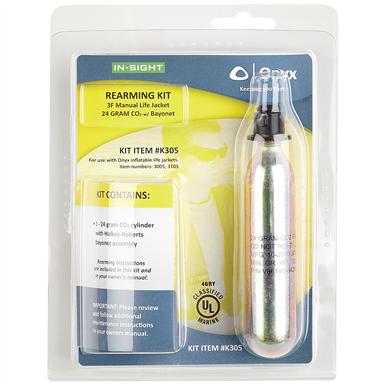
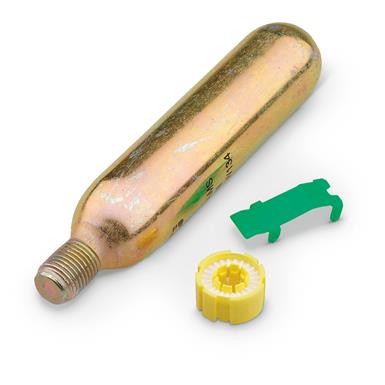
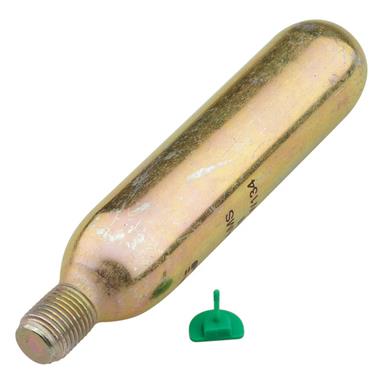
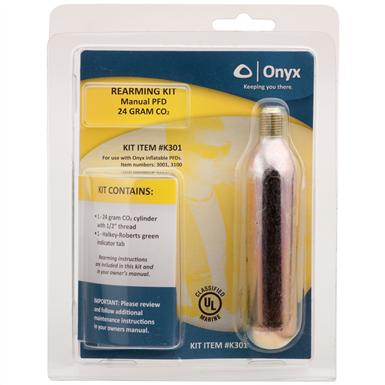
Life jackets themselves do not have an expiration date, but their components can degrade over time. Regular inspection for material degradation, buoyancy loss, and functionality of closures and straps is crucial. Inflatable life jacket CO2 cartridges and mechanisms should be checked annually and serviced or replaced as required by the manufacturer.
Selecting the right life jacket is a crucial step toward ensuring your safety while enjoying the pleasures of boating. Make it a fundamental part of your boating preparations, and never underestimate the importance of the correct safety gear. Stay safe, and enjoy your time on the water!