Shotguns for Beginners: A Complete Buying Guide
Shotguns are a popular firearm, especially for beginners. Learn the terminology and the distinct features of each type so you can find the perfect shotgun for yourself.
February 19, 2026



BIG SAVINGS
+EVERYTHING SHIPS FREE
Learn More.jpg "Shotguns for Beginners: A Complete Buying Guide")
Shotguns are one of the most versatile firearms out there which is why they remain one of the most popular choices out thereespecially for new shooters. Whether you're hunting in the woods, target shooting at the range or are looking for a gun for home defense purposes, shotguns cover off on any of the three. But if you're just getting started, you can quickly become overwhelmed with the wide assortment of options to sift through as there are several nuances to every gun, each with its own terminology and features.
This guide breaks it all down in clear, beginner-friendly language and will help you make an informed decision before you buy.
A shotgun is a smooth-bore firearm that fires off a shell that contains multiple pellets (shot), a single slug or specialty rounds. Unlike rifles or handguns that fire one single, targeted bullet at a time, shotguns are designed to fire multiple pellets with a slight spread as they travel. At closer distances (40-50 yards), this spread offers more forgiveness when you're trying to hit a moving target.
There are many reasons why you might choose a shotgun versus a rifle or a handgun. Shotguns are a great option for beginners because they are easier to learn and maintain in comparison to other firearms. If you're not a skilled shooter (at least not yet!), the pellet spread also increases your chances of hitting your target.
Ammunition versatility is another reason why people use a shotgun to hunt or practice with. There is a wide range of ammo options that you can use with this type of firearm and just by switching out the shell, you can use the same shotgun for several different activities. Shotguns can fire multiple types of loads, each optimized for a different use.
Understanding the action type is foundational because it affects how the shotgun feeds, fires and fits your intended use. Action type means how the shotgun loads, fires and ejects shellsin other words, how the shotgun operates in between shots.
Pump-actions require you to manually cycle the action. They're reliable, rugged and easy to learnperfect for hunting and defense.

Mossberg Maverick 88 Series, Pump Action, 20 Gauge, 26" Barrel, 6 Rounds

Mossberg 500 All-Purpose, Pump Action, 12 Gauge, 28" Barrel, 6+1 Rounds

American Tactical S-Beam Shotgun, Pump-Action, 12 Gauge, 18.5" Barrel, 4+1 Rounds
Item currently sold out
Semi-automatic shotguns automatically chamber the next round, offering faster follow-up shots and softer recoilideal for sport shooting and frequent shooters.

TriStar Viper G2 Compact, Semi-Automatic, 12 Gauge, 24" Barrel, 5+1 Rounds

Benelli M4 Tactical, Semi-Automatic, 12 Gauge, 18.5” Barrel, Pistol Grip, 5+1 Rounds
Item currently sold out
These include single-shot and double-barrel models (over/under or side-by-side). They're mechanically simple with very few moving parts and are easy to check visually for safety. This makes them an excellent option for beginners who are looking for simplicity to start or for sport shooters focused on clay games.

TriStar Setter S/T, Over/Under, 20 Gauge, 26" Barrel, 2 Rounds

CZ Drake, Over/Under, 12 Gauge, 28" Barrel, 2 Rounds

Browning Citori 725 Sporting, Over/Under, .410 Bore, 30" Barrel, 2 Rounds

CZ Drake, Over/Under, 20 Gauge, 28" Barrel, 2 Rounds
Item currently sold out
As you shop for shotguns, it's important to take note of the gauge size. Gauge is the bore size which is essentially the inside diameter of the barrel. This can trip people up from time-to-time, but the naming works backward: smaller numbers mean bigger bores.
Selecting the right gauge helps you balance recoil comfort with power and versatility.
Shotguns shine when it comes to in bird and small game hunting. You can choose your gauge based off what you're hunting and your personal comfort.
Types like break-action or semi-automatics with responsive triggers are popular for trap, skeet and sporting clays.
Short-barreled pump or semi-auto shotguns are common picks for close-range defense.
What you're using your shotgun for is important to identify before you buy the ammunition. Different loads are optimized for different tasks:
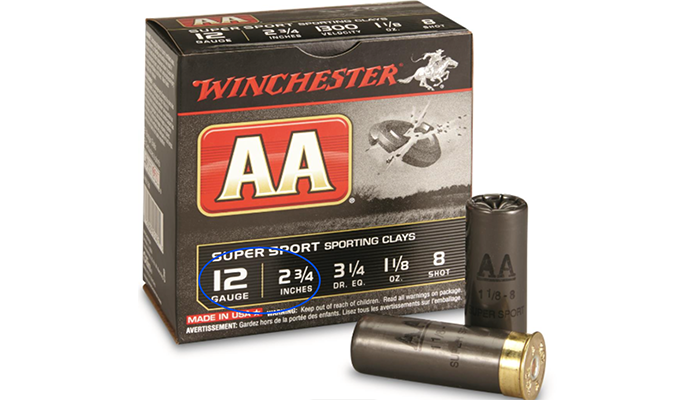
Always ensure your shotgun's chamber and barrel are rated for the ammunition you're using. You can tell what ammunition your shotgun is rated for by checking the markings stamped on the barrel. These markings list the shotgun's gauge and the maximum chamber length it can safely fire, such as 12 gauge 2¿" or 3". Always use shells that match the listed gauge and are equal to or shorter than the marked chamber length. If you're unsure or can't find the markings, consult the owner's manual before firing.
Here are the most important features to consider before you purchase:
Your shotgun should feel comfortable on your shoulder and in your hands. A proper fit helps you mount the shotgun naturally, improves accuracy, and reduces fatigue during longer shooting sessions. If the shotgun feels awkward or heavy up front, it may be harder to control and enjoy shooting.
Shotguns are available across a wide price range. Set a budget that reflects your intended use and how often you plan to shoot. Entry-level shotguns are more than capable for learning the basics, while higher-priced models may offer upgraded materials, smoother operation or reduced recoil.
Safe shotgun handling comes down to awareness, proper ammunition and disciplined handlingespecially when moving, loading or storing your firearm. Whether it's your first or fifteenth firearm, always follow these core safety rules:
A basic safety course can build both confidence and competence as a new shotgun owner.
Choosing your first shotgun is a major step in your shooting journey and education is your best tool. Whether you're hunting birds, breaking clays or exploring defensive options, understanding shotgun types, gauges and features will help you buy confidently and shoot safely. Take your time, handle different models, and don't hesitate to ask experienced shooters or professionals for their recommendations.
Happy shooting!


