Shooting Glasses: Complete Buyers Guide
Everything you need to look for in your next pair of shooting glasses.
April 18, 2024



BIG SAVINGS
+EVERYTHING SHIPS FREE
Learn More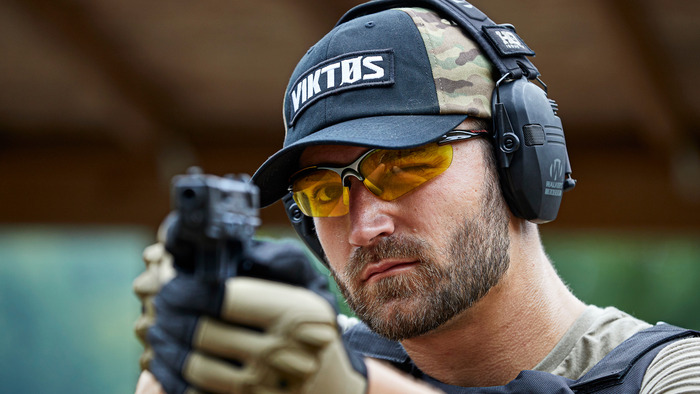
If you're gearing up for some time at the shooting range or planning your next hunting trip, there's one piece of gear you shouldn't overlook: shooting glasses. Now, you might be wondering why these are so crucial. Well, aside from making you look pretty cool, they play a massive role in keeping you safe and boosting your performance. Whether you're a seasoned sharpshooter or a beginner, understanding the ins and outs of shooting glasses can make a big difference in how you enjoy and engage with your shooting activities. So, let's dive into why these specialized glasses are a must-have, how to pick the right pair, and what makes them so essential for anyone ready to take aim. Stick with me, and you'll be ready to make an informed choice that will keep your eyes safe and improve your shooting game!
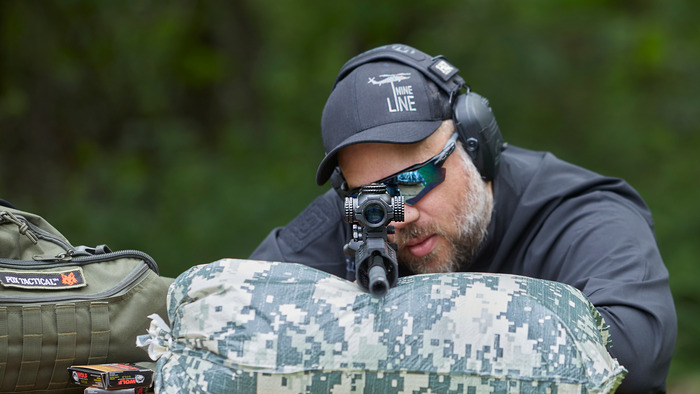
First, let's cover why shooting eyewear is important. Wearing shooting glasses is essential for anyone engaging in shooting sports, whether recreationally or professionally. The primary role of shooting glasses is to protect the eyes, but they also serve other important functions that enhance a shooter's overall experience. Here are the key reasons why you should always wear shooting glasses:
The most critical function of shooting glasses is to safeguard the eyes from potential hazards. This includes protection from:
Shooting glasses come with various lens colors that enhance visual clarity and contrast, helping shooters to see targets more distinctly. Improved visibility directly translates into better shooting accuracy and performance. Different lens tints can also help compensate for changes in background and lighting conditions, providing a clearer line of sight to the target.
Many shooting ranges and competitions have strict safety protocols that include mandatory use of shooting glasses. Wearing appropriate protective eyewear is often required to participate in these activities, ensuring that all participants are shielded from common shooting hazards.
Knowing that your eyes are protected can boost your confidence, allowing you to focus more on your shooting technique rather than worrying about safety. Additionally, the right pair of shooting glasses can prevent eye fatigue and strain, especially under harsh or challenging environmental conditions, making the shooting experience more comfortable.
In some jurisdictions, wearing proper safety gear, including shooting glasses, is legally mandated for shooting activities. Moreover, in the event of an accident, having followed all recommended safety precautions, including the use of protective eyewear, can impact insurance claims and liabilities.
When selecting shooting glasses, it's crucial to prioritize features that ensure safety, comfort, and enhanced performance. Here are key factors to consider when looking for the ideal pair of shooting glasses:
Lens Color and Its Impact on Shooting Performance
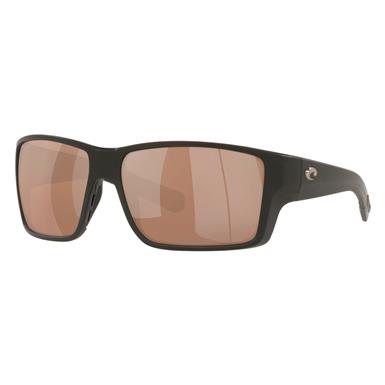
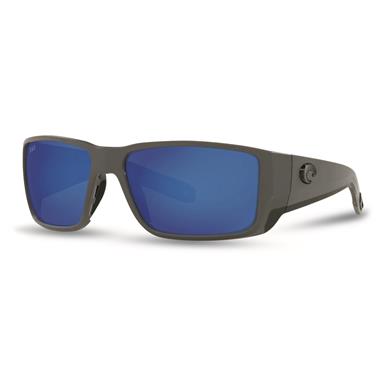
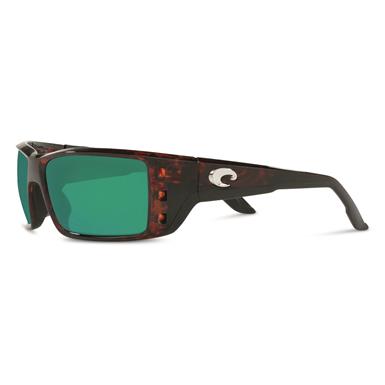
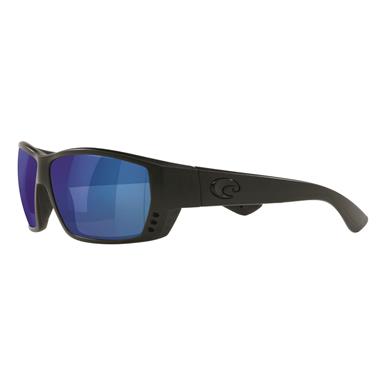
The color of the lenses in shooting glasses can significantly affect a shooter's performance by enhancing visibility and contrast, which are crucial for accurate targeting. Each lens color serves a specific purpose and can be advantageous in different environmental conditions. Understanding the impact of lens color will help shooters choose the right glasses to improve their performance.
1. Yellow and Orange Lenses
Yellow and orange lenses are known for their ability to enhance contrast and depth perception. They are particularly useful in low-light conditions, such as at dawn or dusk, or in overcast weather. These lenses filter out blue light, which can create a hazy atmosphere; by reducing the haze, the target appears clearer and sharper. This makes it easier for shooters to focus on black or dark targets, commonly found in shooting ranges.
2. Amber Lenses
Amber lenses are similar to yellow but with a bit more versatility for varying light conditions. They provide a good balance between contrast enhancement and brightness filtering, making them suitable for conditions that are not too dark nor excessively bright. Amber lenses help in filtering out blue light and increasing visual sharpness, which enhances the visibility of targets against a cluttered background or sky.
3. Gray Lenses
Gray lenses are excellent for maintaining color recognition while reducing brightness in sunny conditions. They provide true color perception, which is crucial for shooters who need to see their targets and surroundings without color distortion. Gray lenses are ideal for bright, sunny days, as they protect the eyes from glare without altering the color of the target.
4. Clear Lenses
Clear lenses are best suited for indoor ranges or very low-light conditions where additional light transmission is needed. They offer the most natural vision, providing accurate color perception and clarity. Clear lenses are also beneficial for night shooting, as they do not alter the available light, allowing for maximum visibility.
5. Polarized Lenses
While not a color, polarized lenses deserve mention for their ability to reduce glare from reflective surfaces such as water or wet ground, which can be particularly useful for shooters in outdoor environments. They help in reducing eye strain and provide clearer vision, which is essential for accuracy in settings with variable lighting and reflective challenges.
The design of the frames in shooting glasses is just as important as the lenses themselves when it comes to enhancing performance and ensuring comfort during shooting activities. A well-designed frame can significantly impact a shooter's ability to perform at their best by providing proper fit, protection, and field of vision. Here are key aspects of frame design that affect shooting performance:
A good pair of shooting glasses must fit comfortably and securely on the face. Discomfort or the need to frequently adjust glasses can distract a shooter and negatively impact accuracy. Features like adjustable nose pads and temples can ensure a better fit, accommodating different face shapes and sizes. Additionally, rubberized grips on the nose and temples can prevent the glasses from slipping due to sweat or movement, maintaining a stable and consistent vision alignment.
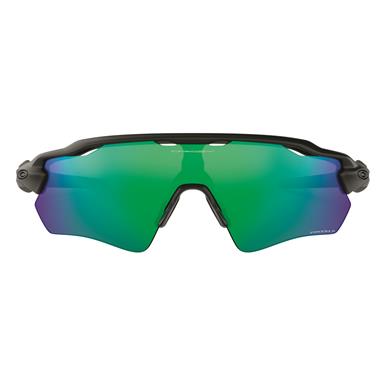
The frame design should provide adequate coverage to shield the eyes from any peripheral debris, wind, or environmental elements that could impair vision or harm the eyes. Wrap-around frames are particularly effective as they offer a wider field of protection, reducing the risk of injuries from side impacts and preventing particles or light from entering the sides.
The materials used in the frame affect the weight and durability of the glasses. Lightweight materials such as titanium or advanced polymers provide comfort for long periods, which is crucial during extended shooting sessions or competitions. Durable materials ensure that the glasses can withstand the physical demands of shooting sports and the natural wear and tear of outdoor use.
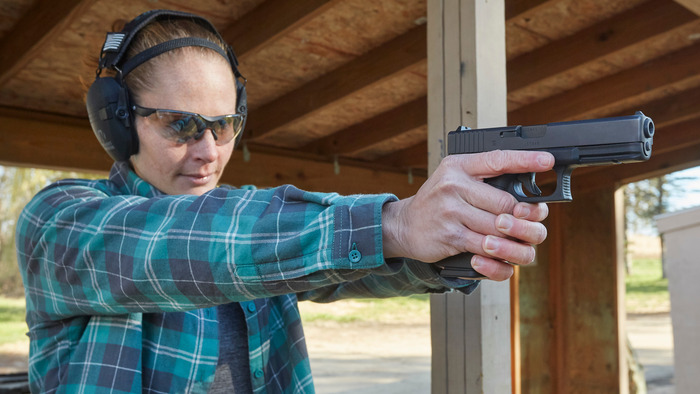
For shooters who wear hearing protection or hats, the frame's design should not interfere with this equipment. Slim temples that fit comfortably under earmuffs are essential to avoid breaking the seal of ear protection, which could decrease its effectiveness. Frames should also be low-profile to avoid pushing against the brim of a hat or causing discomfort.
The design of the frame should not obstruct the shooter's field of vision. Large lens areas with minimalistic frames are preferable, as they allow for a broad and unobstructed view. This is critical for tracking moving targets or quickly switching focus between multiple targets.
Frames with built-in ventilation features can prevent lenses from fogging up, which is crucial in maintaining clear vision in varying temperatures or humid conditions. Proper ventilation ensures that sudden changes in body temperature or environmental conditions do not result in condensation on the lenses.
When investing in shooting glasses, budget is an important consideration that can influence both the quality and features of the glasses you choose. It's essential to balance cost with the necessity of protection, comfort, and performance enhancements. Here's a guide to navigating the budget for shooting glasses:
Shooting glasses can vary widely in price, from budget-friendly options under $20 to high-end models that cost several hundred dollars. The price typically reflects factors such as the quality of materials, the sophistication of lens technology, and brand reputation. For casual shooters or beginners, a basic pair of shooting glasses with fundamental protective features may suffice. However, competitive shooters or those who spend many hours at the range might find that investing in higher-priced glasses with advanced features is worthwhile.
Consider what features are necessary for your shooting activities:
When evaluating the cost of shooting glasses, consider the value they bring in terms of longevity, safety, and performance enhancement. Cheaper glasses might need to be replaced more frequently, while more expensive ones could offer better durability and extended comfort, potentially saving money in the long run. Additionally, the right glasses can significantly improve your shooting performance and safety, which might justify a higher upfront investment.
Now, let's get to the burning question - will shooting glasses increase performance? While it is impossible to say for sure - the impact of wearing the right pair of shooting glasses on your shooting performance can be substantial, influencing several aspects of your shooting experience.
Shooting glasses improve visual clarity and reduce eye strain. High-quality lenses help to sharpen details and increase contrast, which is crucial when aiming at targets. For instance, in low light conditions, yellow or orange lenses can enhance the visibility of the target against a dim background, allowing for more accurate shooting.
Glare from the sun can significantly impair your ability to see targets clearly, especially during outdoor shooting. Anti-reflective coatings and specific lens tints like polarized or gray lenses reduce glare and help maintain clear vision, which directly impacts your accuracy and comfort.
Knowing that your eyes are protected can boost your confidence while shooting. This psychological comfort allows you to focus more on your technique and less on the environmental hazards or debris that might otherwise be distracting or damaging. This focus can lead to better performance as you're able to practice longer and with more concentration.
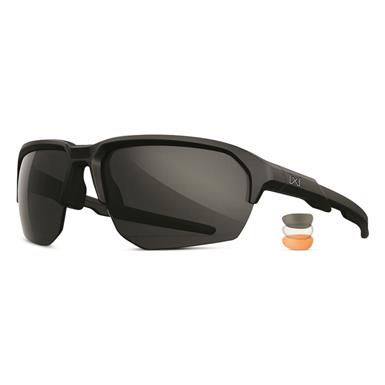
Interchangeable lenses allow shooters to adapt quickly to varying lighting conditions without needing multiple pairs of glasses. This adaptability can improve performance by providing optimal visibility in any weather or time of day, enabling consistent shooting regardless of external conditions.
Using the same set of well-fitted shooting glasses each time you practice or compete can lead to better consistency. The muscle memory and visual cues developed during training sessions are enhanced when your vision and comfort are not compromised by inadequate eye protection.
Regular exposure to UV rays and blue light can deteriorate your vision over time, affecting your shooting performance in the long run. Shooting glasses with 100% UV protection and blue light filtering capabilities preserve your eye health, ensuring that your vision remains sharp and focused as you age.
And there you have it! We've covered everything from the vital role of shooting glasses in protecting your eyes to enhancing your performance, choosing the right frame and lenses, and even how to balance your budget. Wearing the right shooting glasses isn't just about following rules; it's about ensuring your safety and comfort while maximizing your ability to perform at your best.
Remember, every shooter's needs are different, so take the time to consider what features are most important for your specific shooting activities. Whether you're at an indoor range or out in the field, the right pair of shooting glasses can make a significant difference. Invest wisely in a pair that offers the protection, visibility, and comfort you need to stay focused and enjoy your shooting experience to the fullest.