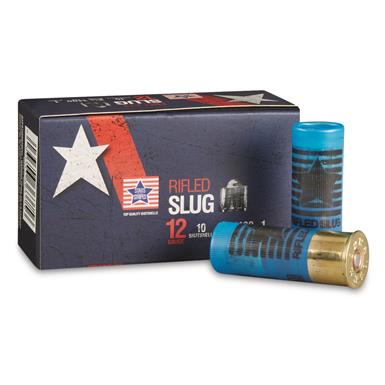
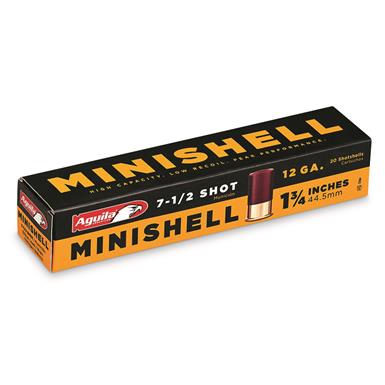
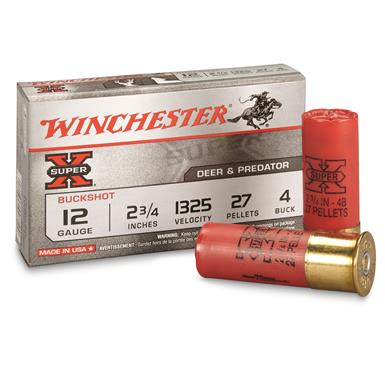
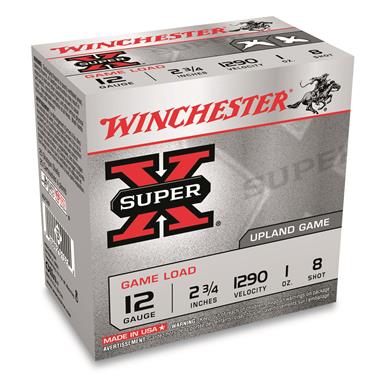
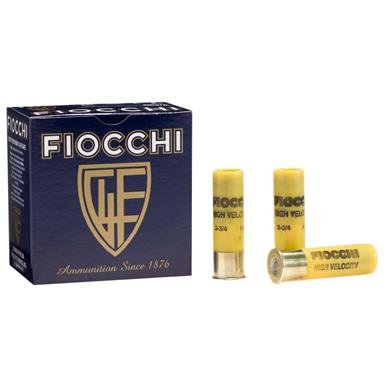
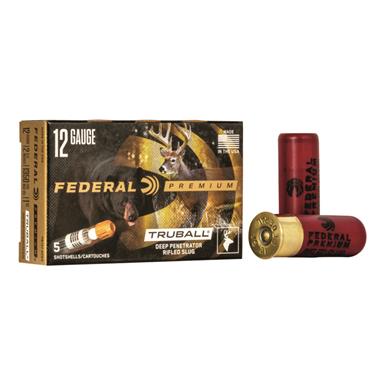
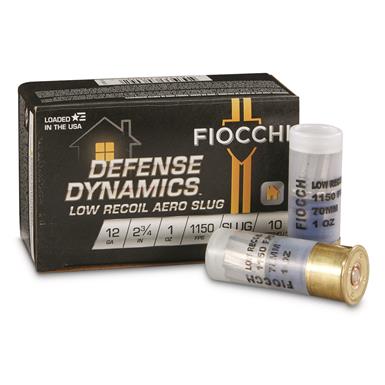
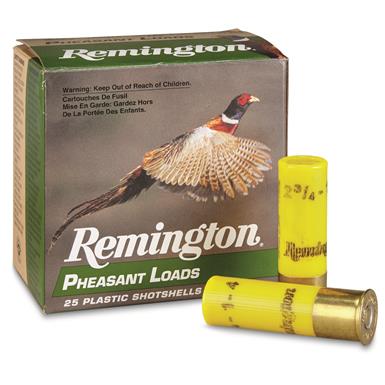
High Brass vs Low Brass Shotgun Shells: Does Height Really Matter?
Think brass hull height matters on shotgun shells? Think again.
March 19, 2024



BIG SAVINGS
+EVERYTHING SHIPS FREE
Learn More
So, you're at the gun store, ready to stock up on some ammo for your trusty shotgun. You grab a box of shells, but then you see something confusing: "high brass" and "low brass." What's the deal? Does the height of the brass casing actually affect how your shotgun performs?
Fear not, fellow shooter! This seemingly complex topic actually boils down to a simple answer. In today's world of shotgun shells, the height of the brass (the metal base) DOES NOT directly correlate to the power of the load. Now that you have the simple answer, let's unpack this further and shed some light on why they have different heights in the first place.
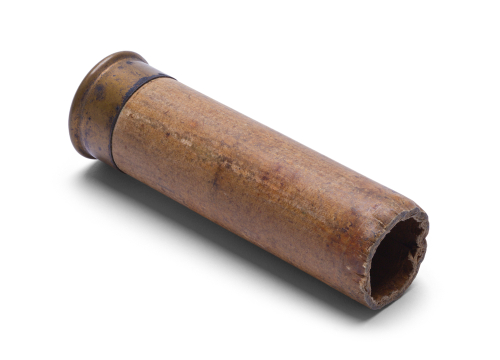
The story begins in the late 19th and early 20th centuries, during a time when shotgun shells were loaded with black powder. These early shotgun shells were made with paper or thin brass cases and were susceptible to damage and weathering. The primer and powder used were not as stable or efficient as modern propellants, requiring a more substantial base to withstand the firing pressures and to ensure reliable ignition.
The introduction of smokeless powder in the late 1800s marked a significant advancement in ammunition technology. Smokeless powder was more powerful and produced less fouling than black powder, allowing for cleaner and more reliable firing. However, this increased power also meant higher pressures inside the shotgun shell, necessitating a more robust and durable base to contain these pressures safely.
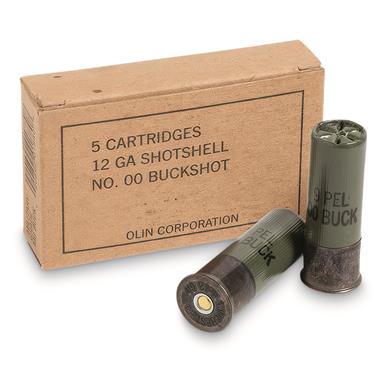
Manufacturers responded by increasing the length of the brass base on shotgun shells, leading to what we now refer to as "high brass" shells. The extended brass provided the necessary strength and durability to handle the higher pressures generated by smokeless powder, reducing the risk of case rupture and ensuring more reliable ejection from the shotgun.
As manufacturing processes improved and materials became stronger, it became possible to produce shotgun shells that could withstand firing pressures with less brass, which was a more expensive material. This led to the development of "low brass" shells, which were cheaper to produce and perfectly adequate for less demanding applications, such as target shooting or hunting smaller game. Low brass shells also offered the advantage of less recoil, making them more comfortable for shooters during prolonged use.
.jpg "Modern Shotgun shells high brass low brass hull")
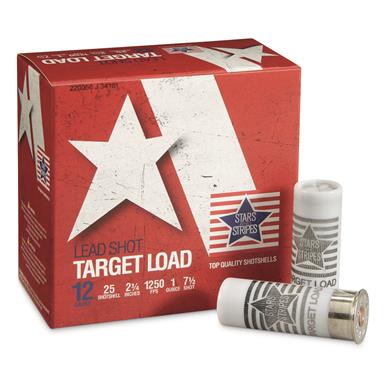
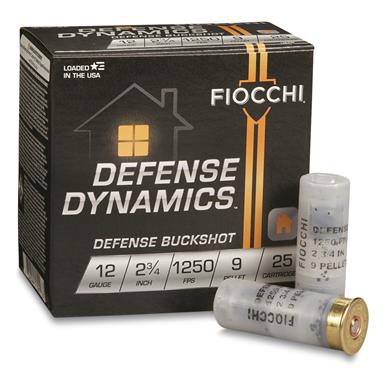
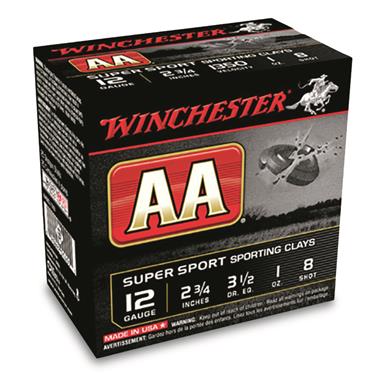
Fast forward to today, and shotgun shells are predominantly made of high-strength plastic. These modern hulls can handle a wide range of pressures without needing the extra support from high brass. As a result, shotgun shell manufacturers can now create high-velocity hunting loads and low-recoil target loads using hulls of similar brass height.
Here's the key takeaway: Don't be fooled by the brass height!
A common question we get at Sportsman's Guide is "So, if it doesn't matter, why are there still different brass heights in today's shotgun shells?". It's a valid question, but there are a few reasons why we still see variations in brass heights:
Tradition and Perception
There's a strong element of tradition and perceived value in the shooting community. High brass shells have historically been seen as higher quality or more powerful, so keeping the distinction maintains a link to the past and caters to shooters who prefer what they perceive as a premium product. It's a bit like sticking with a classic design on a modern car... it's about the style and what it represents more than necessity.
Marketing
Let's not underestimate the power of marketing. Different brass heights can be used to differentiate products in a crowded market. High brass might be marketed as more suitable for hunting or heavy-duty use, even if the actual necessity for it has faded. It's a visual cue that manufacturers use to segment their offerings and target specific segments of the market.
Manufacturing Practices
Some manufacturers may continue to produce different brass heights due to established manufacturing practices or to meet the demands of specific markets or regions where the preference for one over the other is stronger. If a certain segment of buyers strongly believes in the superiority of high brass, manufacturers will meet that demand.
Shooter Preferences and Comfort
Some shooters might prefer the feel or performance of a specific brass height based on their personal experience or the advice of mentors or peers. Even if the difference is largely psychological, comfort and confidence in one's equipment can affect shooting performance, making brass height a factor in personal preference.
Regulatory Compliance and Non-Toxic Requirements
In some cases, the brass height might be adjusted to accommodate non-toxic shot requirements or to ensure compliance with regulations in certain jurisdictions, although this is more about the design and materials of the shell as a whole rather than the brass height alone.
.jpg "what should you look for on shotgun shell box")
Now that we have established that brass hull height doesn't matter in modern shotgun shells, let's discuss what you should consider when buying your ammo.
1. Shot Size and Type
2. Load
The amount of shot in a shell, measured in ounces or grams, affects both the pattern and the recoil. Heavier loads offer more power but increase recoil, which might not be suitable for all shooters or situations.
3. Shell Length
Shotgun shells come in various lengths (e.g., 2 ¿ inches, 3 inches, 3 ¿ inches), which determine the load capacity. A longer shell can hold more powder and shot, providing more power, but make sure your shotgun is chambered for the length you choose to avoid safety issues.
4. Powder and Propellant
Modern shells use smokeless powder, which has different burn rates and properties. Understanding the type of powder and its characteristics can help you choose shells with the desired performance, such as faster shot velocities or lower recoil.
5. Velocity
Measured in feet per second (fps), the velocity at which the shot leaves the barrel influences how quickly it reaches the target and its impact power. Higher velocities can improve range and penetration but may increase recoil.
6. Recoil
The perceived "kick" from firing a shotgun can affect shooting comfort and accuracy, especially over extended periods. Lighter loads, lower velocities, or using recoil-reducing technologies can help manage recoil.
7. Quality and Reliability
Not all shotgun shells are created equal. Look for shells from reputable manufacturers known for their quality control, consistency, and reliability. Consistent performance is key to both safety and success in the field or at the range.
8. Purpose-Specific Shells
Manufacturers offer shells designed for specific purposes, such as turkey hunting, waterfowl hunting, or competitive clay shooting. These specialized shells are optimized for the best performance in their intended use, from pattern density to effective range.
9. Environmental Considerations
Be mindful of the environmental impact of your shooting. Choosing non-toxic shot and biodegradable wads can reduce pollution and harm to wildlife, aligning your shooting practices with conservation efforts.
Wrapping it up, the whole debate about brass hull height in shotgun shells really shows us just how much ammo tech has come along. Back in the day, how tall your brass was could make or break your choice of shells, but now? Not so much. For shooters these days, it's all about what's going to hit the mark for them personally, focusing on the specs that really matter for performance. So, in today's world, choosing between high brass and low brass is more about looks or sticking to old habits than about any real difference in how they shoot. It's a clear sign we've moved on to looking at what truly counts when picking out our ammo.