Choosing the Right Stun Gun for Self-defense
Considering adding a stun gun to your self-defense toolkit? Here are some key considerations to keep in mind.
May 01, 2024



BIG SAVINGS
+EVERYTHING SHIPS FREE
Learn More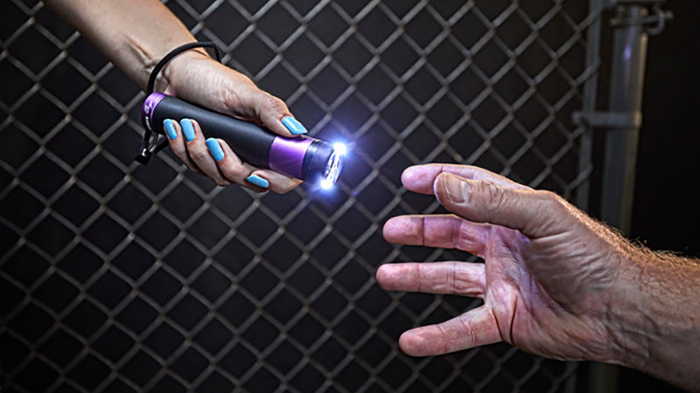
When it comes to self-defense weapons, not everyone is looking for a lethal weapon like a gun or a knife. Many people want to temporarily incapacitate their attacker long enough to safely get away from the situation and call the authorities. One of the more common weapons used in this manner is a stun gun. In this article, we will cover what a stun gun is (and isn't) and what factors to consider when buying a stun gun for self-defense.
When it comes to personal safety devices, the terms "stun gun" and "Taser" are often used interchangeably, but they refer to two distinct types of devices. Both are effective tools for self-defense, but they operate differently and have different implications for use. Knowing the differences can help you decide which might be the best fit for your safety needs.
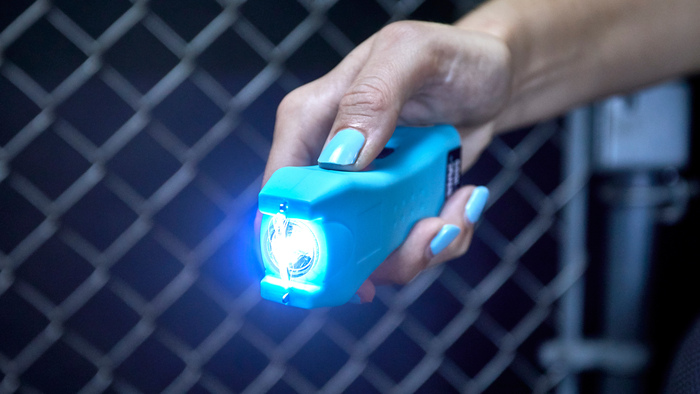
A stun gun is a handheld device that needs to make direct contact with the target to be effective. It works by delivering a high-voltage, low-amperage electrical shock when you press it against an assailant. This shock is powerful enough to cause significant pain and involuntary muscle contractions, which can disorient and temporarily disable an attacker, giving you time to escape.
The key characteristic of stun guns is that they require close proximity to the assailant, as they do not have the capability to reach out over a distance. They are often designed to be compact and discreet, easy to carry in a pocket or purse.
Taser, a brand name that has become synonymous with a particular type of electroshock weapon, actually refers to devices that can be used from a distance. Unlike stun guns, Tasers fire two small dart-like electrodes, which are propelled from the device by compressed nitrogen charges. These electrodes are attached to the main unit by conductive wires. When the electrodes make contact with their target, they deliver a modulated electric current designed to disrupt voluntary control of muscles, causing "neuromuscular incapacitation".
The advantage of a Taser over a stun gun is its ability to be used effectively from a distancetypically up to 15 feet (about 4.5 meters). This distance allows the user to maintain a safer space between themselves and the threat.
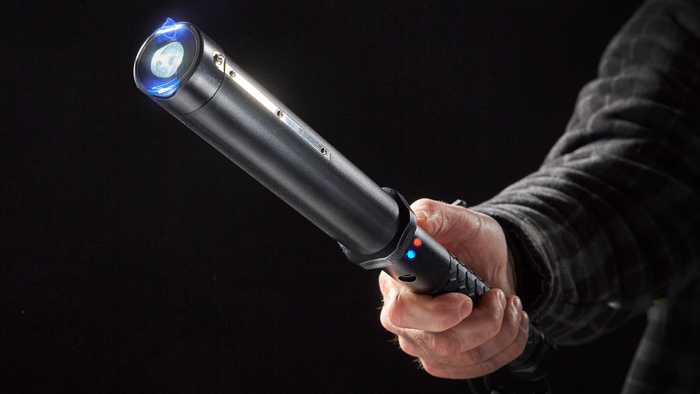
The effectiveness of a stun gun often correlates with its voltage. Higher voltage can mean faster and more effective incapacitation of an attacker. However, balancing high voltage with usability and safety features is important to ensure you can handle the stun gun effectively in stressful situations.
It's important to note that higher voltage does not translate to more harm. The stopping power of a stun gun is more about the pain and muscle contractions it causes, rather than physical harm. The amperage in stun guns is typically very lowaround 2 to 3 milliampswhich is safe and non-lethal. Amperage is the measure of the current, and in stun guns, it's intentionally kept low to avoid causing serious harm while still incapacitating an attacker.
Another consideration is that higher-voltage stun guns may require more power. This means that if the stun gun is rechargeable, it might drain its battery faster, or if it uses batteries, you might need to replace them more frequently. Choosing a stun gun with a reliable power source or long battery life can ensure that it's ready when you need it.
When selecting a stun gun or Taser, understanding the importance of size and form factor is crucial. These elements not only affect the portability and concealability of the device but also how intuitively you can use it under stress. Here's a closer look at how size and form factor play a role in choosing the right self-defense tool.
Compactness:
Most stun guns are designed to be compact and easy to carry. This makes them ideal for storing in a purse, pocket, or even on a belt holster. Their small size ensures that they can be concealed easily, which can provide a tactical advantage in a dangerous situation.
Shape and Design:
Stun guns come in various shapes, from traditional designs that resemble a small handheld flashlight to more innovative models that might look like other everyday objects (like a lipstick or a cell phone) to enhance concealability. Some stun guns are designed with ergonomics in mind, featuring contoured grips that make them easier to hold and operate.
Weight:
The weight of a stun gun can affect its usability. Lighter stun guns are easier to carry for long periods without fatigue, but they might feel less substantial in your hand. Heavier models might provide a sense of durability and are often perceived as being more robust in construction.
Modern stun guns come with various features:
Before purchasing a stun gun, ensure you understand your area's legal restrictions. Stun guns are not legal in all states or countries, and some places have specific regulations regarding their purchase, carry, and use.
Having a stun gun is one thing; knowing how to use it effectively is another. Once you purchase your stun gun, spend time practicing with it. Get comfortable with its weight, learn how to activate it quickly, and familiarize yourself with its safety features.
Before making a purchase, read product reviews and seek recommendations. Seeing what other users say can provide valuable insights into the reliability and effectiveness of different models.
Choosing the right stun gun involves considering how it fits your safety strategy. Remember, a stun gun is a tool to enhance your ability to protect yourself, not a guarantee of safety. Always be aware of your surroundings and consider additional self-defense methods or escape strategies when necessary. You can significantly improve your security with the right preparation and tools.
A1: The legality of stun guns varies widely depending on where you live. In the United States, most states allow them, but there can be strict restrictions or outright bans in certain cities or states. Always check your local and state laws before purchasing or carrying a stun gun.
A2: A stun gun works by delivering a high voltage, low amperage shock that affects the muscles and motor nerves. This shock does not cause permanent damage but disrupts the body's electrical system that controls muscle movement, incapacitating an attacker temporarily.
A3: Stun guns are designed to be safe for the person using it, as they cause temporary incapacitation without long-term harm. However, misuse or prolonged application on a person can lead to more severe consequences, including muscle and tissue damage.
A4: Yes, stun guns can be effective through clothing. The electric current can pass through up to about two inches of fabric. However, thicker clothing may reduce the effectiveness of the device.
A5: Stun guns require direct physical contact to be effective. You need to be close enough to press the device against the attacker's body, making physical proximity necessary.
A6: While you don't need special training to use a stun gun, familiarizing yourself with your stun gun's operation and practicing quick deployment can enhance your effectiveness and confidence in using it. Some manufacturers offer basic training or instructions that are highly recommended to follow.
A7: The frequency of charging a stun gun depends on the model and usage. Generally, it's a good idea to recharge your stun gun every few months to ensure it is ready when you need it. Always refer to the manufacturer's guidelines for specific charging instructions.
A8: It's important to have a backup plan for self-defense if your stun gun fails. This could include physical self-defense techniques, carrying an additional safety device, or finding a way to escape the situation. Regular maintenance and test firing your stun gun can also help prevent malfunctions.
A9: Stun guns are prohibited in carry-on bags when flying. They can be packed in checked luggage, but it's essential to declare them to the airline and ensure they are securely stored according to airline regulations. Always check the Transportation Security Administration (TSA) guidelines before traveling.
A10: Stun guns are intended to incapacitate temporarily without causing long-term harm. Most people recover quickly without any lasting effects. However, individuals with certain health conditions could potentially experience more significant reactions, so it's always important to use stun guns responsibly and as intended.