Best Fillet Knives of 2024: Top Picks for Every Size and Need

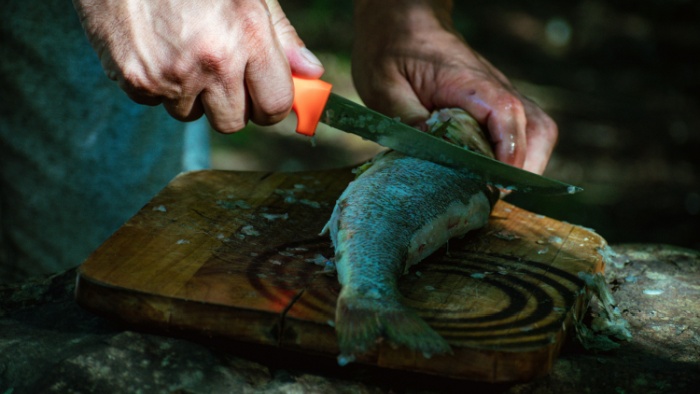
We tested and reviewed the top filet knives on the market. Here are our top picks for small, medium, and long blade lengths.

April 25, 2024

 
4 out of 5 star rating 4 Reviews
Best Fillet Knives of 2024: Top Picks for Every Size and Need

When it comes to preparing fish, whether you're an avid angler or a home cook, a quality fillet knife is an essential tool in your culinary arsenal. As we head into 2024, the range of fillet knives available on the market continues to grow, incorporating more advanced materials and ergonomic designs. This article explores the best fillet knives of 2024, offering insights into their applications and advising on the right size for various types of fish.


Choosing the Right Blade Size

The size of the fillet knife you choose should correspond to the type of fish you are preparing:
  • Small Fish (like trout or perch): A shorter blade, typically 4 to 6 inches, is ideal. These knives provide better control for precision cuts on smaller fish.
  • Medium Fish (such as bass or walleye): A medium-length blade, around 6 to 8 inches, is versatile enough to handle fish of these sizes.
  • Large Fish (like salmon or tuna): A longer blade, usually 8 to 12 inches, is required. These knives allow for longer, sweeping cuts that are necessary for larger fish.


Best Small Fillet Knives (4-6'' Blades)

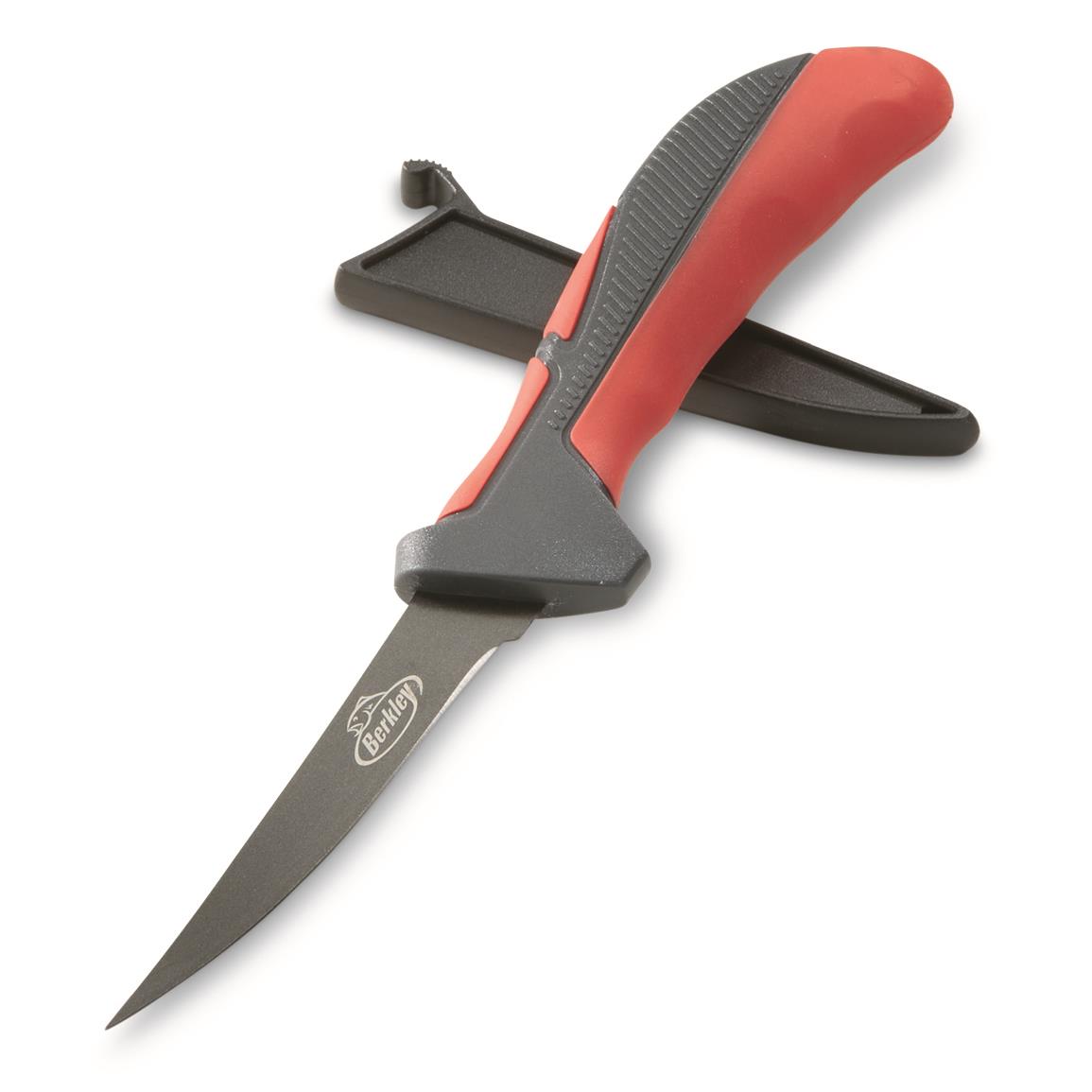
Berkley 4

Berkley 4" XCD Fillet Knife

Ideal for small, delicate fish such as trout and panfish, the Berkley 4" XCD Fillet Knife offers precision and ease. Its compact size makes it exceptionally maneuverable, while the durable stainless steel blade ensures longevity and corrosion resistance.
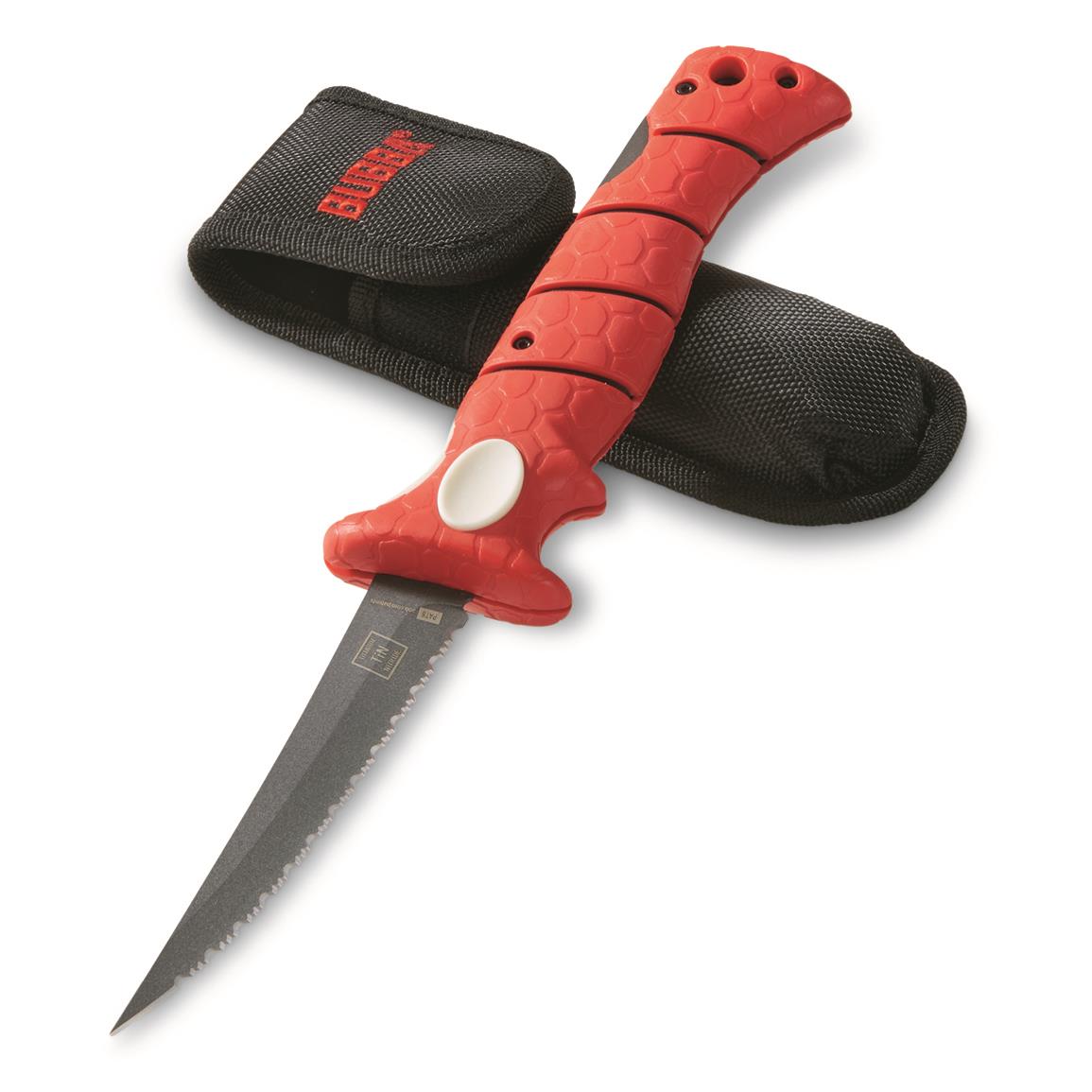
Bubba 5

Bubba 5" Stiff Serrated Folding Fillet Knife

This knife features a 5-inch serrated blade that excels in precision cutting. Its folding design makes it a great choice for anglers who prioritize portability and storage. The serration is particularly useful for tougher scaled fish, providing extra grip and cutting power.
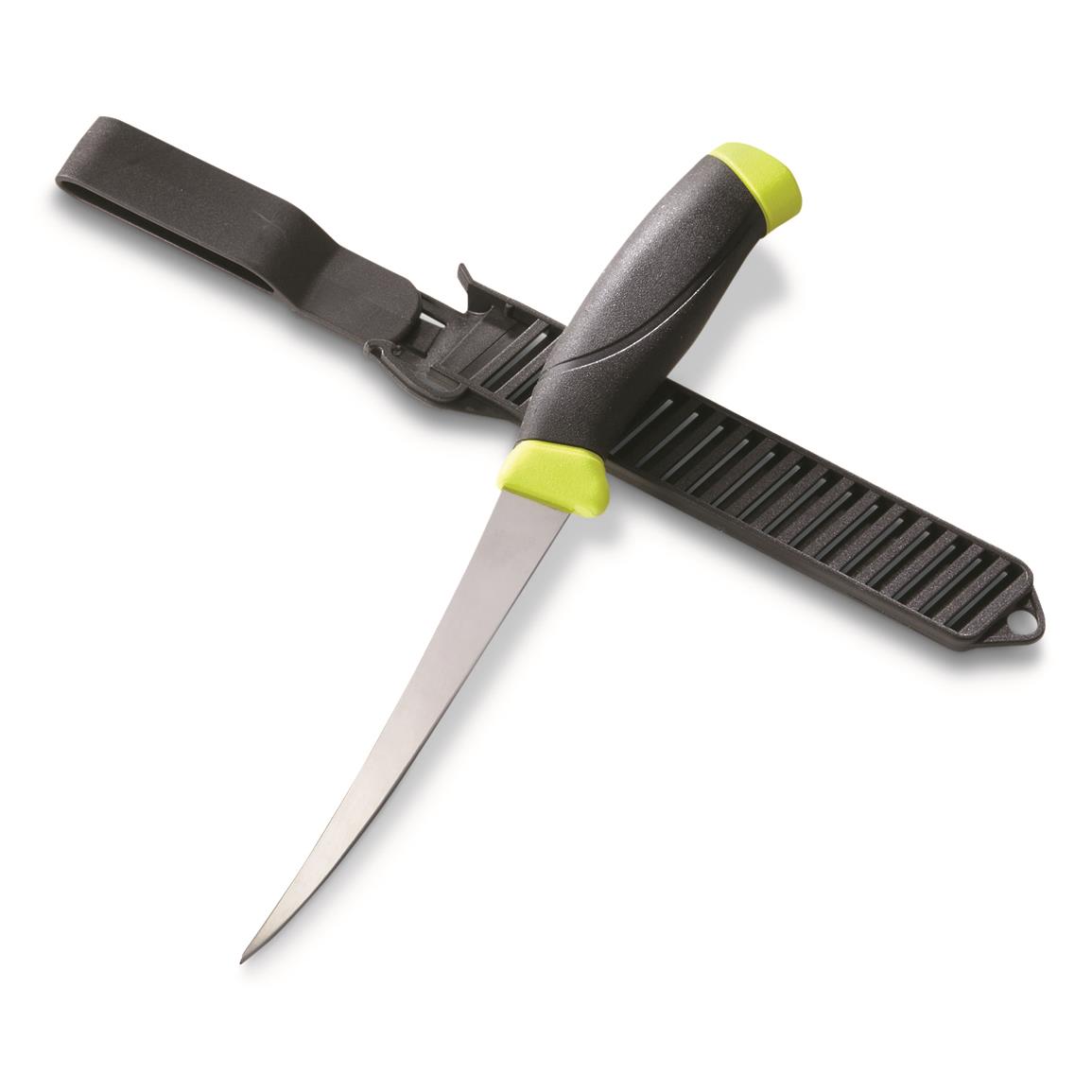
Morakniv 5.9

Morakniv 5.9" Companion Fishing Fillet Knife

The Morakniv Companion is slightly longer, making it versatile for both small and medium-sized fish. Its Swedish stainless steel blade promises sharpness and durability, coupled with a rubber handle for a secure, comfortable grip even in wet conditions.
Best Medium Fillet Knives (6-8'' Blades)

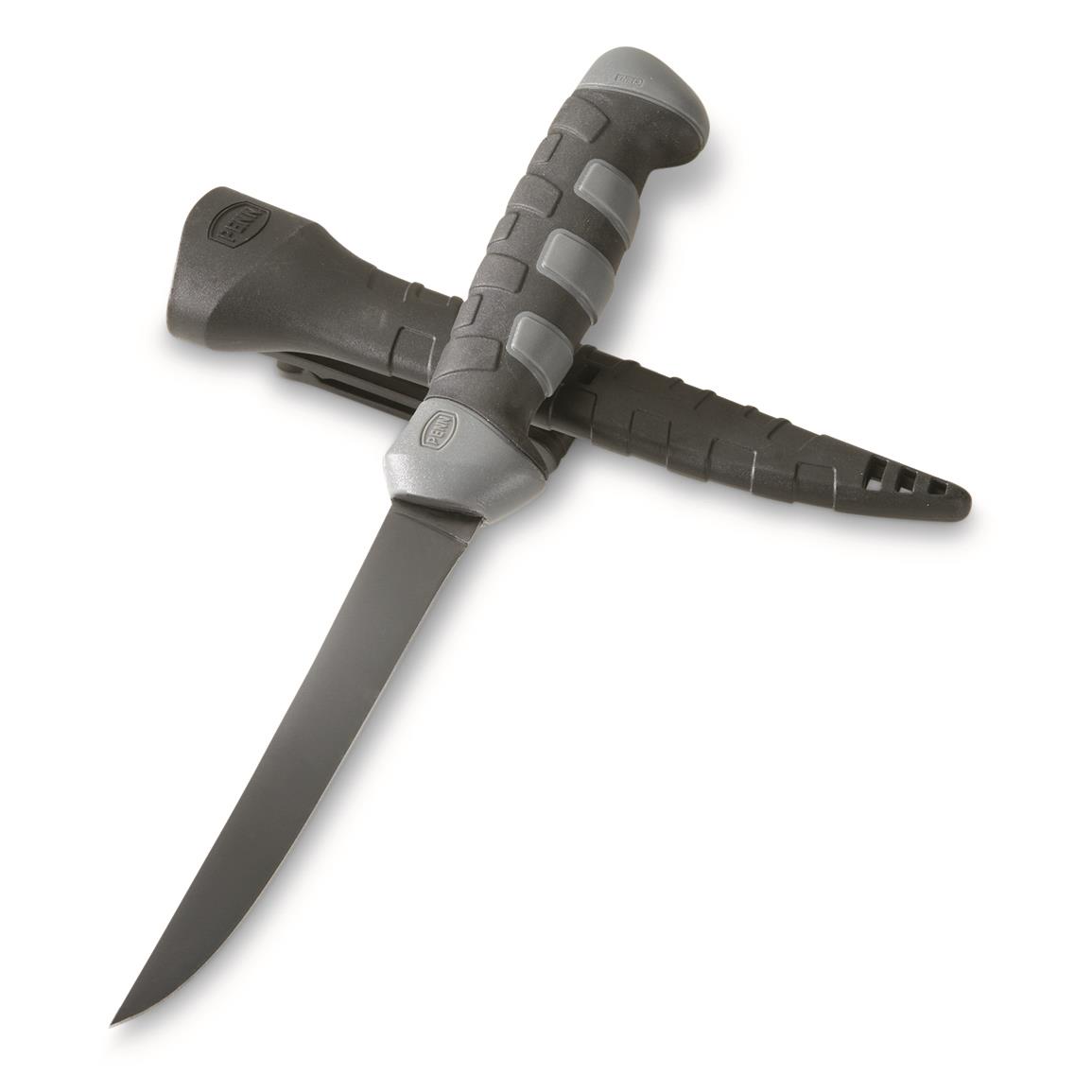
PENN 6

PENN 6" Firm Flex Fillet Knife

This knife is perfect for medium-sized fish, offering a firm yet flexible blade that allows for precise and effortless cuts.
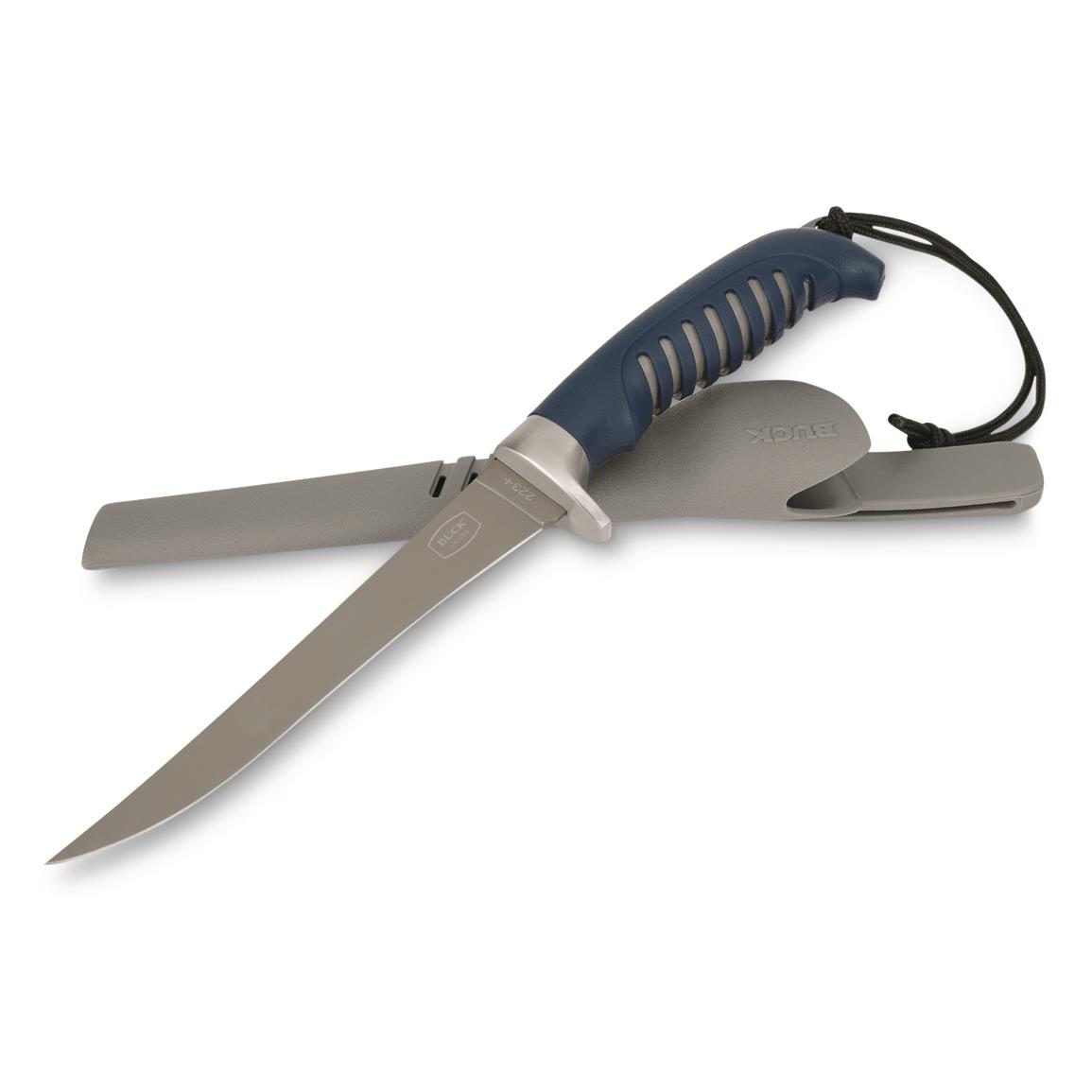
Buck Knives Silver Creek 6

Buck Knives Silver Creek 6" Fillet Knife

It features a corrosion-resistant blade ideal for frequent use, with a rubberized grip that ensures safety and comfort even when wet.
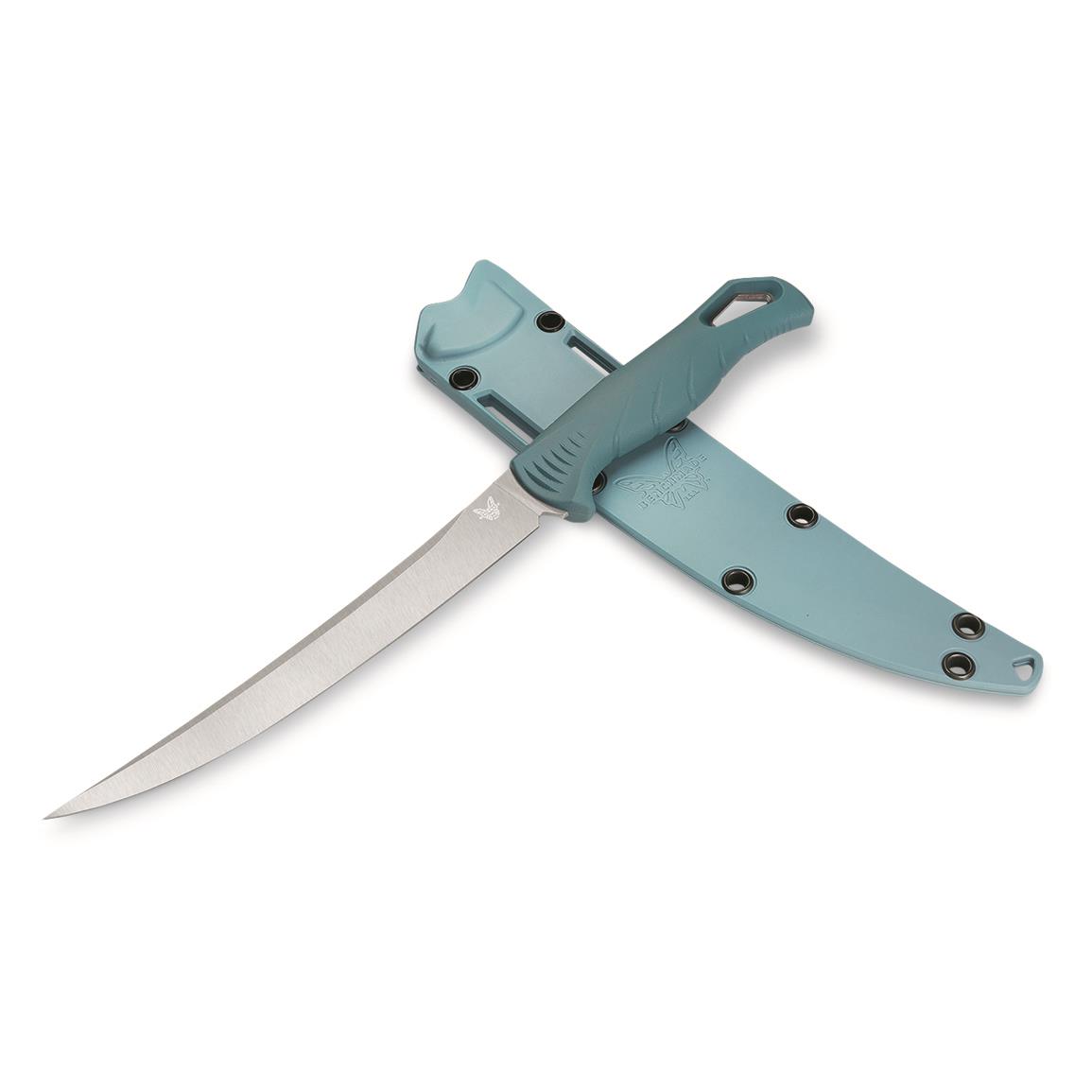
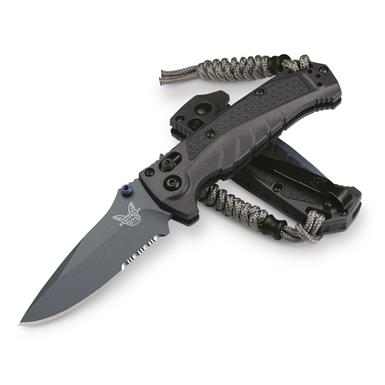
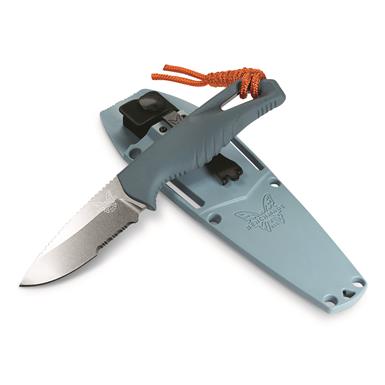
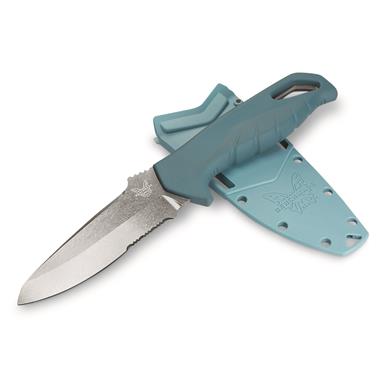
Benchmade 18010 Fishcrafter 7'' Best Fillet Knife

Benchmade 18010 Fishcrafter 7'' Fillet Knife

A bit on the larger side of medium, this premium knife is designed for those who demand precision and durability. It's particularly suited for larger species within the medium fish category.
Best Large Fillet Knives (Over 8'' Blades)


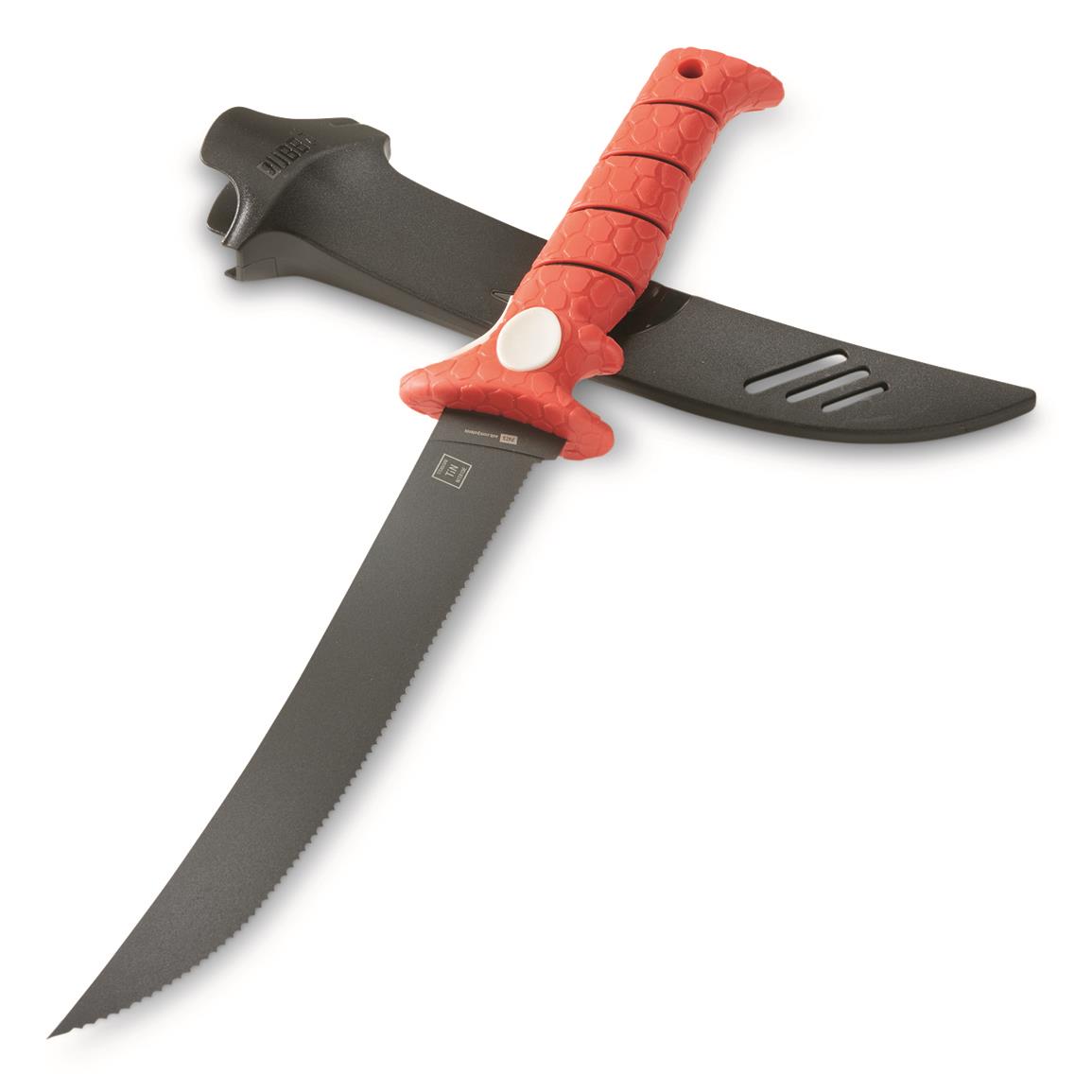
Bubba 9 Serrated Flex Best Fillet Knife

Bubba 9" Serrated Flex Fillet Knife

This knife features a high-carbon stainless steel blade with a serrated edge, making it particularly effective at cutting through tough scales and skin. The flexibility of the blade allows for smooth, clean cuts, and the non-slip grip handle ensures safe handling during the filleting process.
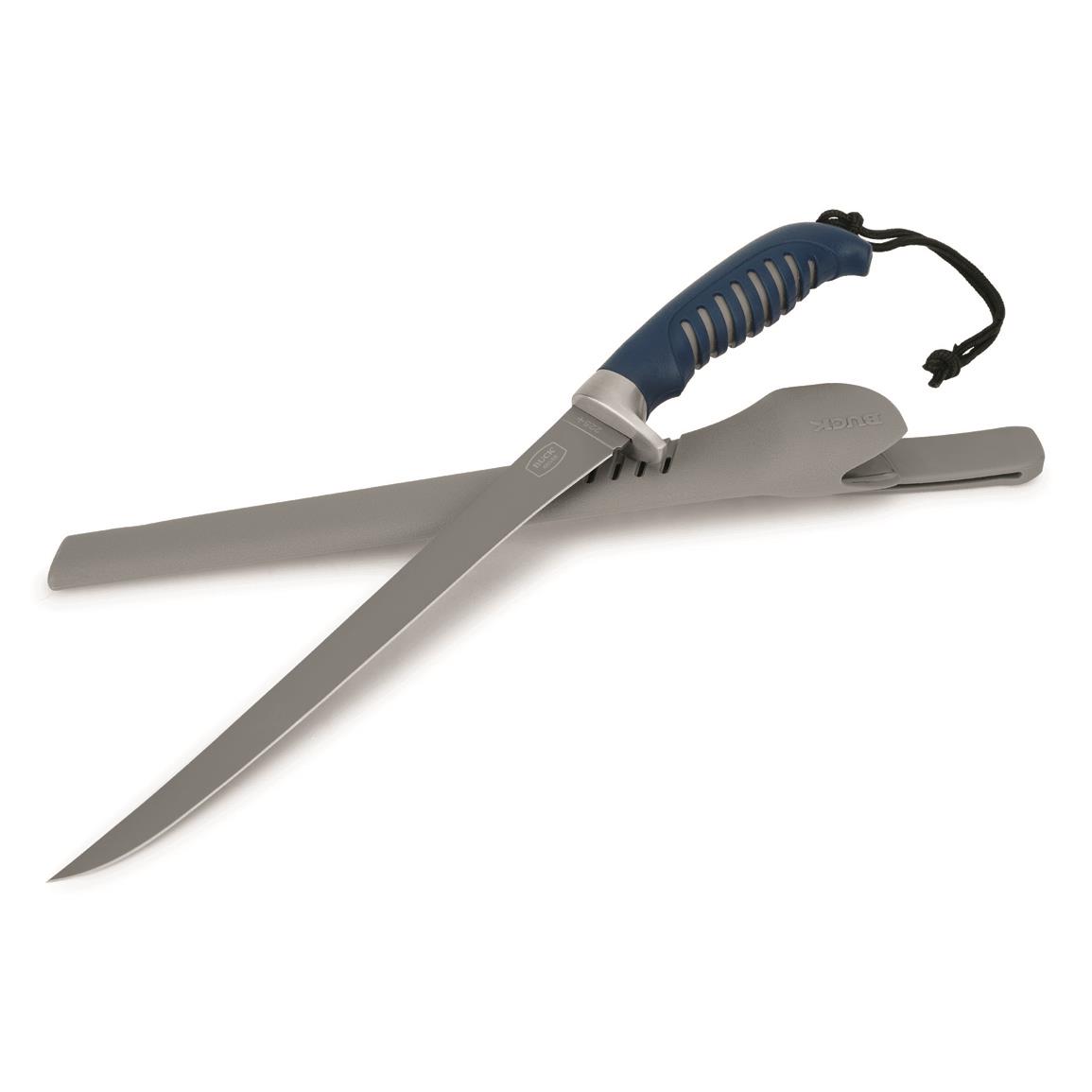
Buck Knives 225 Silver Creek 9

Buck Knives 225 Silver Creek 9" Fillet Knife

Known for its durability and corrosion resistance, this knife is designed to withstand harsh marine environments. The flexible blade ensures precise cuts, while the rubberized handle provides a secure grip, even when wet.
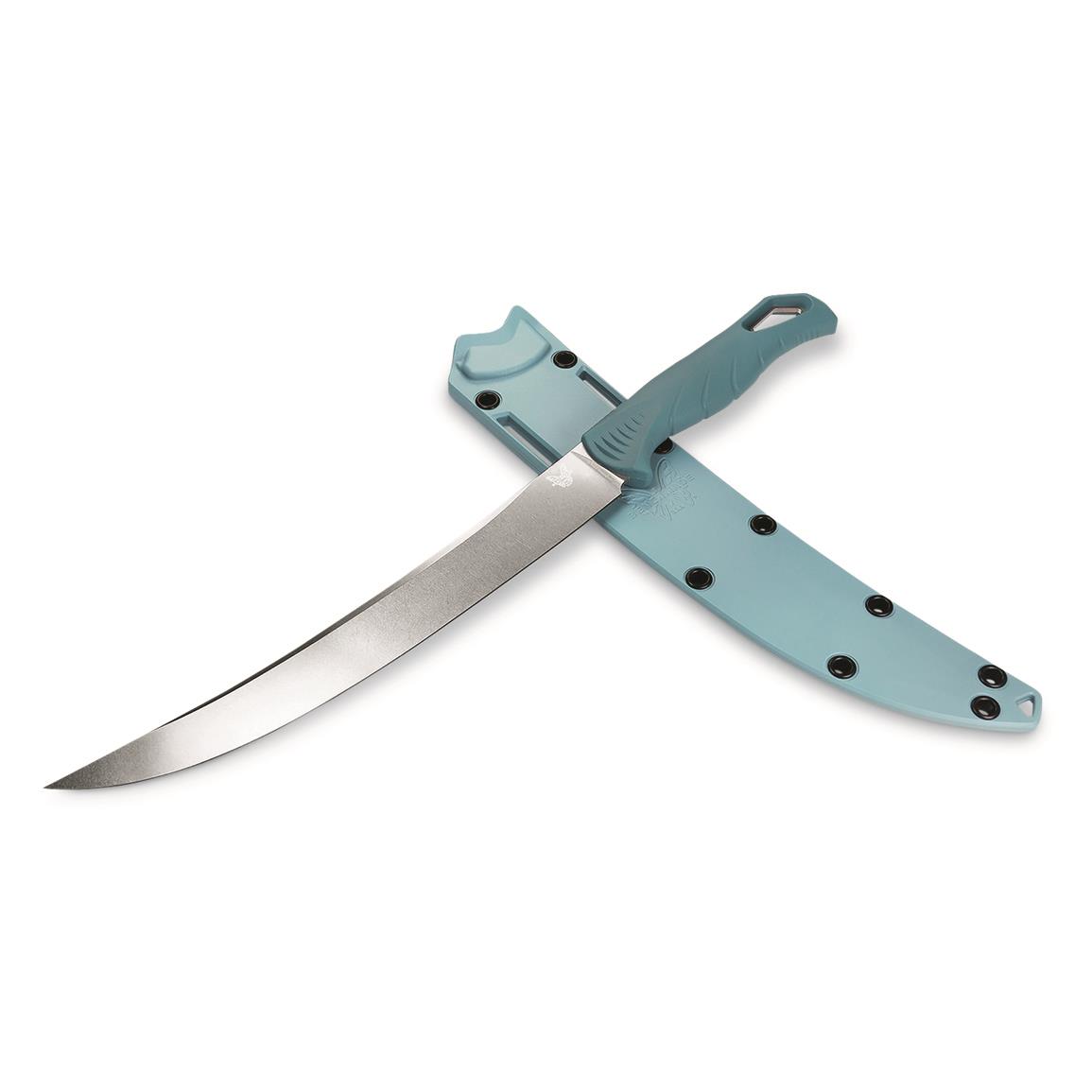
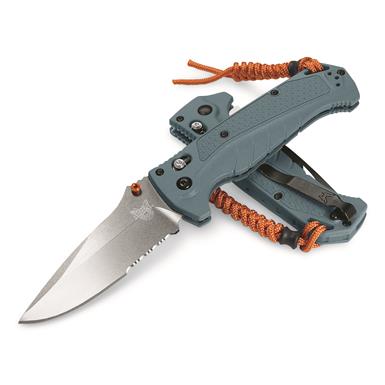
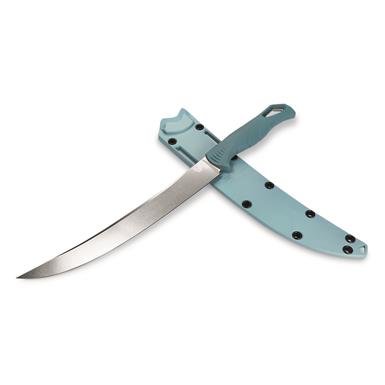
Benchmade 18020 Large Fishcrafter 9'' Best Fillet Knife

Benchmade 18020 Large Fishcrafter 9'' Fillet Knife

A premium option for the serious angler or chef, this knife offers exceptional precision and durability. Its high-quality stainless steel blade is designed for long-lasting sharpness, and the ergonomically designed handle ensures comfort during extended use.

Understanding the Flexibility of a Fillet Knife

The flexibility of a fillet knife is a critical factor that influences its effectiveness in filleting fish. Flexibility refers to the ability of the knife's blade to bend or flex during use, which is essential for making precise cuts that follow the contours of the fish's bones and skin. Here's a closer look at why flexibility matters and how to choose the right level of flex for your needs.


Why Flexibility is Important

  • Precision Cutting: A flexible blade can more easily glide along the spine and ribs of the fish, minimizing waste and ensuring you get the most meat possible.
  • Ease of Use: A knife that flexes appropriately for the fish size and thickness can make the filleting process smoother and less strenuous.
  • Adaptability: Different levels of flexibility are better suited for different sizes and types of fish. More flexibility is typically needed for smaller, thinner fish, while less is better for larger, thicker fish.


Types of Flexibility

Stiff Flex

  • Best for: Large, thick-skinned fish like tuna or salmon.
  • Characteristics: Offers more control and strength, allowing for clean cuts through dense and large fish without bending too much, which could make precise cuts difficult.

Medium Flex

  • Best for: Medium-sized fish like bass or walleye.
  • Characteristics: Strikes a balance between stiffness and flexibility, making it versatile for various types of fish and providing enough give to maneuver around bones.

Light Flex

  • Best for: Smaller, more delicate fish like trout and panfish.
  • Characteristics: Highly flexible, ideal for making intricate cuts and working closely along the bones, ensuring minimal meat is left on the skeleton.


Choosing the Right Flex

Selecting the right level of flexibility depends largely on the type of fish you commonly prepare and your personal preference for knife handling. Consider the following when choosing:


  • Type of Fish: The size and thickness of the fish should guide your choice. Larger, thicker fish will require a stiffer blade, while smaller, more delicate fish benefit from a more flexible blade.
  • Personal Comfort and Skill Level: Some anglers or cooks prefer a stiffer or more flexible blade based on their filleting technique and comfort level.
  • Quality of the Knife: High-quality materials and construction can enhance the performance of a fillet knife, regardless of its flexibility. Look for knives that balance flexibility with durability and sharpness.


Materials Matter

When choosing a fillet knife, the materials used in both the blade and the handle are crucial for performance, durability, and comfort. Here's a breakdown of the key materials to consider for the blade and handle of a fillet knife:


Blade Materials

  1. Stainless Steel: The most common material for fillet knives due to its resistance to rust and corrosion. It maintains a sharp edge and is generally easy to care for, making it ideal for use in wet conditions typical in fishing and kitchen environments. Look for high-carbon stainless steel options like 440C or VG-10 for enhanced strength and edge retention.
  2. High Carbon Steel: Known for its hardness and ability to maintain a sharp edge longer, high carbon steel is preferred by many for its cutting precision. However, it is more prone to rusting if not properly cared for, requiring regular maintenance to keep it in good condition.
  3. Ceramic: While not as common, ceramic blades are extremely sharp and hold their edge for a long time. They are also rust-proof and easy to clean. The downside is their brittleness; ceramic knives can chip or break if dropped or used improperly.


Handle Materials

  1. Wood: Wood handles offer a classic look and can provide a comfortable, warm grip. However, they require more maintenance to keep them from warping or rotting, especially when exposed to moisture frequently.
  2. Rubber: Rubber handles provide excellent grip, even in wet conditions, making them a popular choice for fillet knives used on boats or in wet kitchens. They are durable and comfortable but can sometimes be difficult to clean if the surface is very textured.
  3. Plastic: A common choice for fillet knives due to its durability and ease of maintenance. High-quality plastics can offer good grip and are resistant to moisture, chemicals, and changes in temperature.
  4. Composite: Materials such as G-10 (a type of fiberglass laminate) or Micarta (layers of cloth or paper bonded with resin) provide excellent durability and grip. These materials are resistant to water, making them suitable for fillet knives that require frequent cleaning and exposure to wet conditions.
  5. Polypropylene: This thermoplastic polymer is often used for knife handles because it's tough, resistant to bending, and withstands corrosion and chemicals. It's also lightweight, making it easy to handle for extended periods.


Full Tang vs. Partial Tang: Assessing Knife Strength and Durability

When choosing a fillet knife, one of the key considerations is the tang, or how the blade's metal extends into the knife handle. The design of the tang can significantly affect the overall strength, balance, and durability of the knife. There are primarily two types of tangs in knives: full tang and partial tang. Here's what you need to know about each to make an informed decision.


Full Tang Knives

  • Description: In a full tang design, the metal of the blade extends the full length and width of the handle, often visible as a metal spine running through the handle's center.
  • Strength and Durability: This design provides maximum strength and durability. The weight and balance of a full tang knife are evenly distributed, which can offer better control and leverage when filleting larger or tougher fish.
  • Typical Use: Full tang knives are preferred for their robustness in demanding tasks. They are particularly valued in professional settings or by those who frequently prepare large, tough fish.
  • Advantages: Enhances the knife's lifespan and stability during use. It's less likely to break or bend because the handle and blade are essentially a single piece.


Partial Tang Knives

  • Description: Partial tang designs can vary; some extend the full length of the handle but only part of its width, while others might not extend the full length. Common types include stick tangs and rat-tail tangs, which taper as they go into the handle.
  • Strength and Durability: While offering sufficient strength for many tasks, partial tangs are generally not as durable or balanced as full tang knives. They may be prone to breaking at the joint where the blade and handle meet, especially under heavy use.
  • Typical Use: These knives can be lighter, which some may find more comfortable for less intensive tasks or smaller fish. They are often more affordable and sufficient for casual use or by those who do not frequently fillet tough or large fish.
  • Advantages: Partial tang knives are typically lighter and can reduce fatigue during prolonged use. They are also usually less expensive while still providing good functionality for many applications.


Conclusion: Selecting the Ideal Fillet Knife for 2024

Selecting the perfect fillet knife involves understanding the nuances of blade size, flexibility, materials, and handle design to suit your specific needs. Whether you're an occasional home cook or a seasoned angler, the right fillet knife can transform your experience of preparing fish, making it more efficient and enjoyable.


Remember, the longevity of your knife also depends on proper care and maintenance, especially when dealing with high-carbon steel blades and wooden handles. Investing in a knife that fits your fishing and cooking style not only ensures clean cuts but also adds to the pleasure of your culinary preparation.

With the right knowledge and a carefully chosen knife, you'll be well-equipped to handle whatever your next fishing adventure or culinary challenge might bring in 2024. Choose wisely, and your fillet knife will be a valued partner in every catch and every meal.
Shop All Fillet Knives

/ $250.00 Member
 
0 out of 5 star rating (0 reviews)
$169.99 / $152.99 Member
Was $179.99
 
4.4 out of 5 star rating (7 reviews)
/ $250.00 Member
 
0 out of 5 star rating (0 reviews)
/ $230.00 Member
 
0 out of 5 star rating (0 reviews)
/ $200.00 Member
 
0 out of 5 star rating (0 reviews)
/ $260.00 Member
 
0 out of 5 star rating (0 reviews)
/ $250.00 Member
 
0 out of 5 star rating (0 reviews)
/ $250.00 Member
 
5 out of 5 star rating (1 reviews)
/ $260.00 Member
 
0 out of 5 star rating (0 reviews)
$214.99 /
See Member Price in Checkout
 
4.5 out of 5 star rating (572 reviews)
/ $260.00 Member
 
0 out of 5 star rating (0 reviews)
/ $200.00 Member
 
0 out of 5 star rating (0 reviews)
How helpful was this article?
         
Modal Trigger Modal Trigger Modal Trigger Modal Trigger
Modal Trigger Modal Trigger Modal Trigger
Modal Trigger